Ctrl K
1498–1564
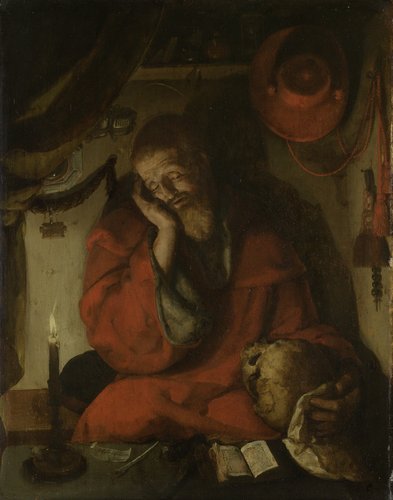
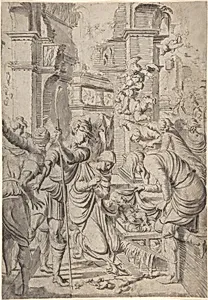
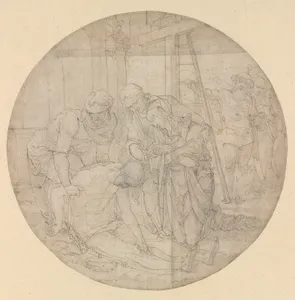
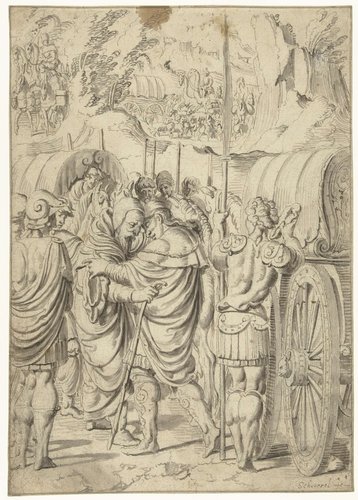
**Aertgen Claesz. van Leyden** (c. 1498 – c. 1564), also known as Aert or Allaert van Leyden, was a Dutch painter, draughtsman, and designer of stained glass active in Leiden during the first half of the sixteenth century.
Born in Leiden as the son of a fuller, he trained as an apprentice under the local painter Cornelis Engebrechtsz. beginning in 1516. City records confirm his presence and activity in Leiden from 1521 until his death; he reportedly drowned in the Vollersgracht canal in 1564.
His early paintings reflect the style of his teacher Engebrechtsz., while later works show the influence of Jan van Scorel and Maarten van Heemskerck. Van Leyden’s output was stylistically diverse, which long complicated attributions; many paintings once given to other artists, including Lucas van Leyden (with whom he was sometimes mistakenly identified as a brother), have since been reassigned to him through twentieth-century scholarship.
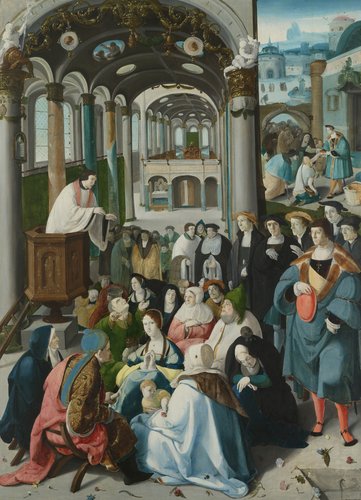
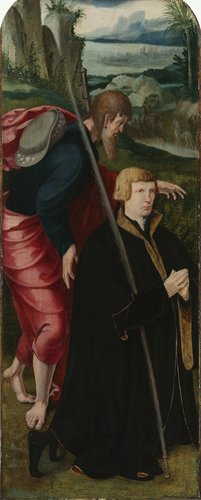
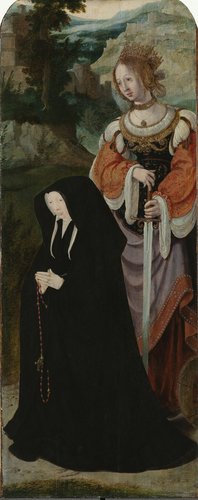
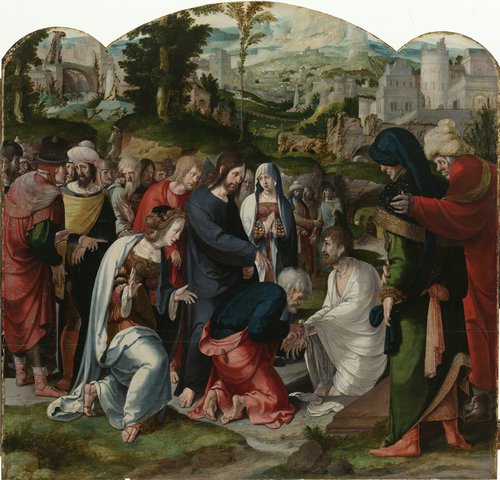
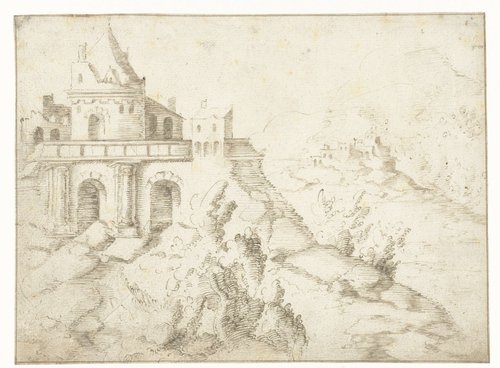
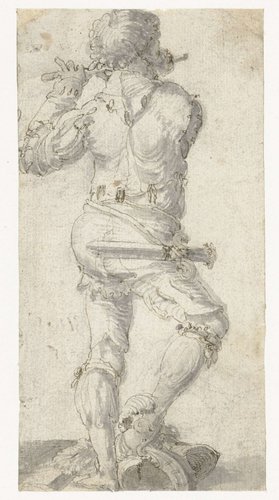
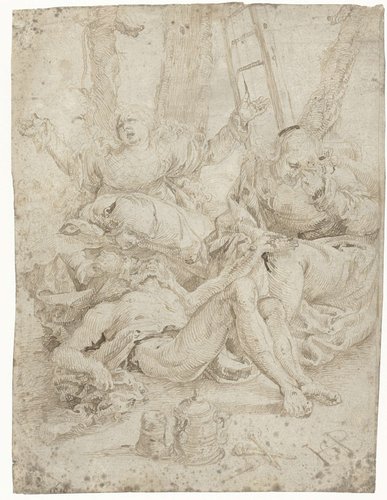
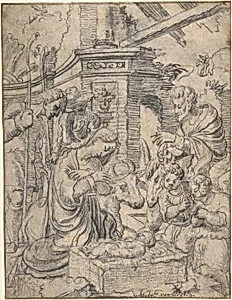
Among his notable works are the triptych of the *Last Judgment* (acquired by the Stedelijk Museum De Lakenhal in 2009), *The Calling of Saint Anthony* in the Rijksmuseum (formerly attributed to Lucas van Leyden), and a triptych depicting the *Raising of Lazarus*. Additional paintings and drawings are held by the Metropolitan Museum of Art and the Museo Thyssen-Bornemisza.
Van Leyden’s reputation endured after his death. Peter Paul Rubens owned one of his paintings, and several works by him appear in the 1656 inventory of Rembrandt’s collection. Today he is recognized as a significant figure in the Northern Renaissance tradition of Leiden, with roughly a dozen securely attributed paintings known.