
Ctrl K
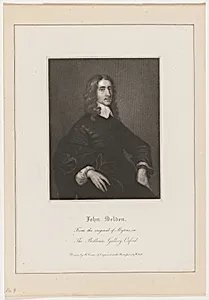
**William Holl the Younger (1807–1871)** was a prominent British portrait and figure engraver whose meticulous work helped popularize historical and literary figures through widely circulated book illustrations in the nineteenth century. Born in Plaistow, Essex, in February 1807, he was the eldest of four sons of the engraver William Holl the Elder (1771–1838). He received his training directly from his father, mastering stipple engraving before advancing to line engraving on steel.
Holl established his reputation early with his first independent portrait engraving, that of Thomas Cranmer, produced in May 1829 for Edmund Lodge’s influential *Portraits of Illustrious Personages of Great Britain*. Between 1829 and 1835 he contributed numerous additional plates to the same publication, working after masters including Daniel Mytens the Elder, as well as van Loo, Holbein, Van Dyck, Lely, and Kneller. He also supplied engravings for William Jerdan’s *National Portrait Gallery* and other biographical compilations, often collaborating with his brothers Francis and Charles Holl.
In the 1840s and beyond, Holl turned to larger-scale projects, producing scriptural illustrations after Raphael, Rembrandt, and others for Blackie & Sons’ *Imperial Family Bible* and John Kitto’s *Gallery of Scripture Engravings*, alongside literary subjects after William Powell Frith and John Faed. A notable example of his work after Mytens is the stipple engraving of the jurist and antiquary John Selden, now in the collection of the National Gallery of Art, Washington.
Holl was a founder member of the Chalcographic Society in 1830 and remained active until his death in London on 30 January 1871. His engravings, prized for their clarity and fidelity to the original paintings, played a significant role in disseminating historical portraiture to a broad Victorian audience and continue to be valued by collectors and institutions today.