Ctrl K
1490–1536
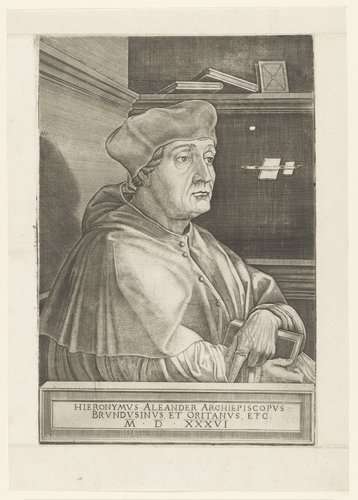
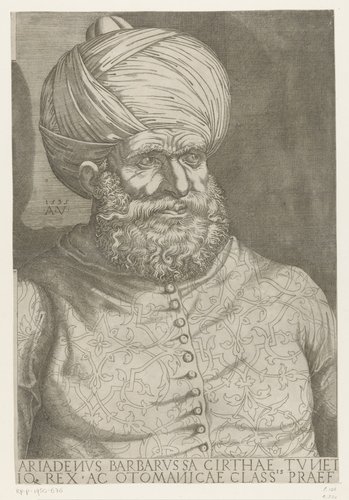
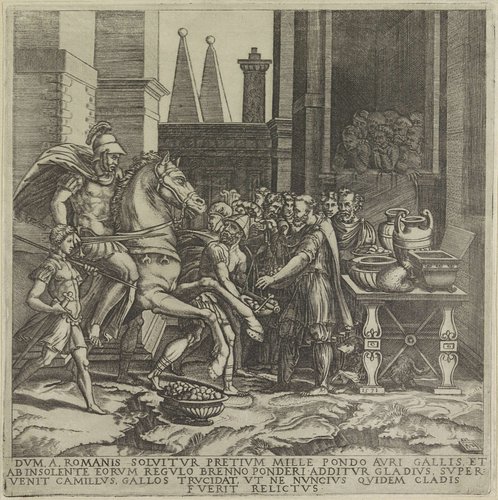
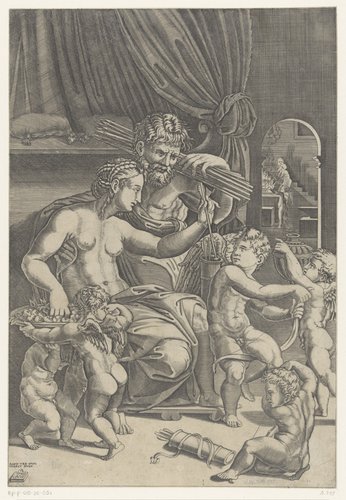
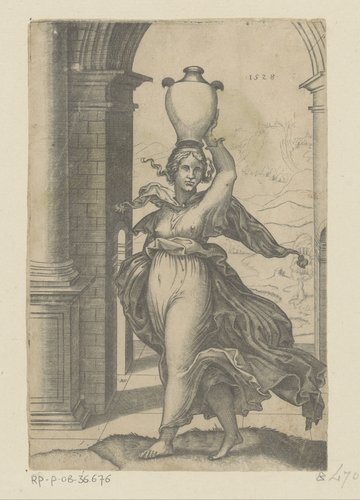
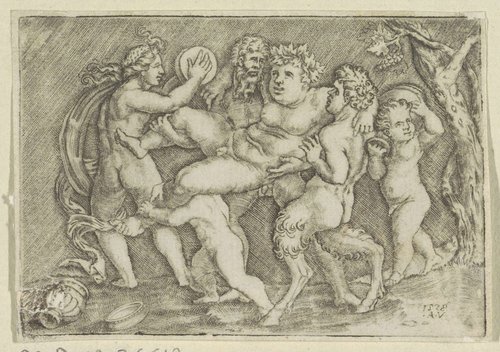
Agostino Veneziano, born Agostino de' Musi around 1490 in Venice, received his initial artistic training there, though his primary teacher remains unknown. He began as a pupil of Giulio Campagnola, copying prints by Albrecht Dürer and Campagnola himself from about 1512–14, before producing original works in a similar vein. By around 1515, after brief stints in Florence, he settled in Rome and joined the influential printmaking workshop of Marcantonio Raimondi as one of its chief assistants, a pivotal step that shaped his career until the Sack of Rome in 1527 disrupted operations.
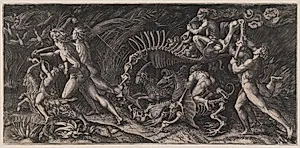
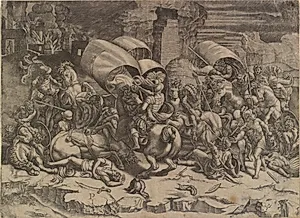
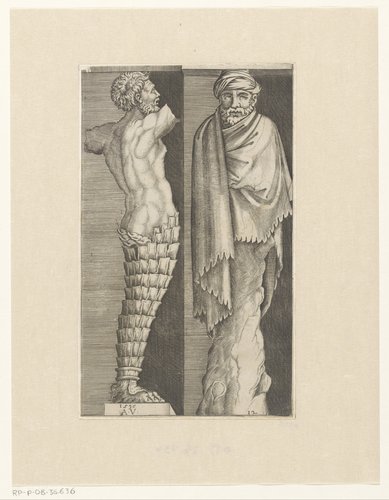
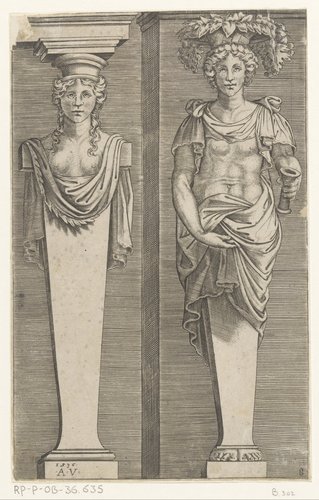
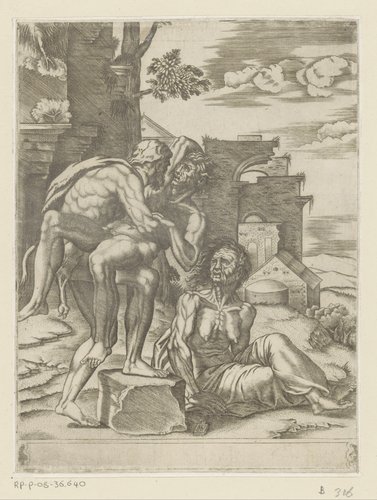
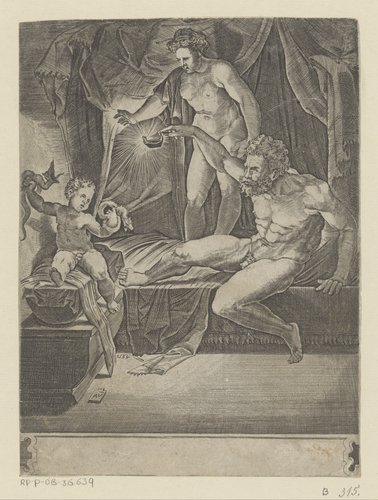
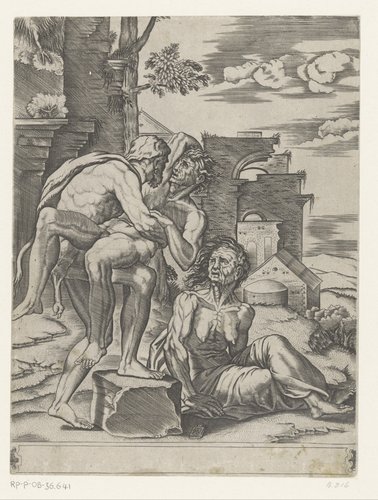
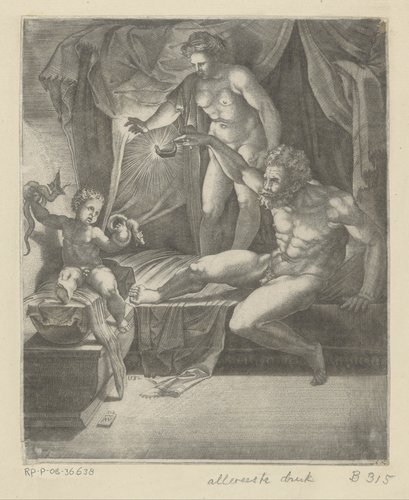
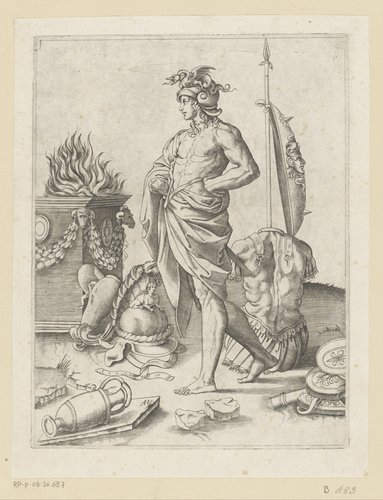
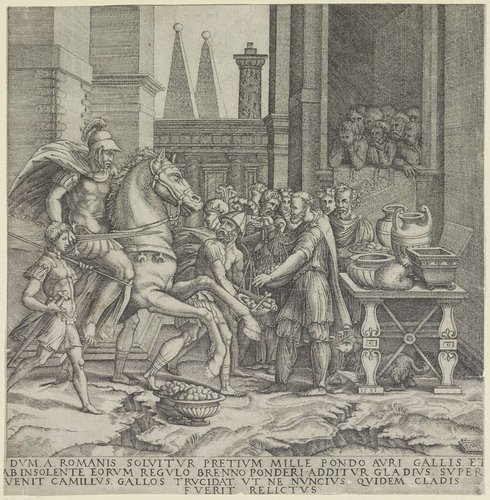
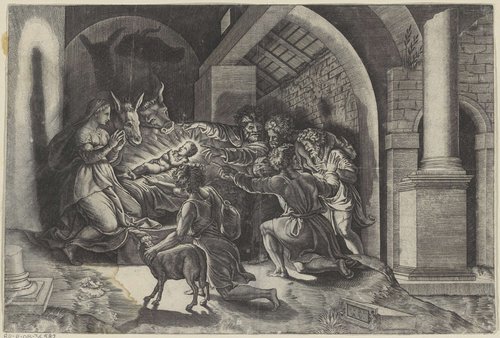
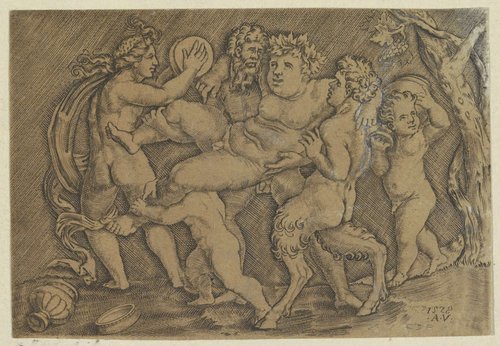
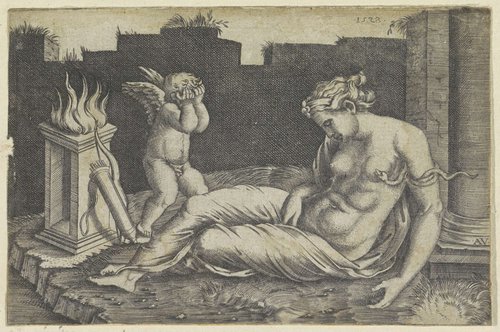
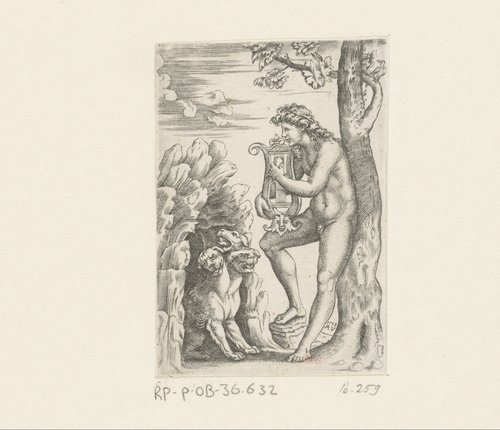
Working in the Renaissance tradition of reproductive engraving, Veneziano's style was technically proficient but not highly distinctive, often emulating masters like Raimondi, Raphael, Giulio Romano, and Campagnola to disseminate their designs through prints. His engravings after Raphael—such as *Phaeton* (c. 1514–36) and *Man Carrying the Base of a Column*—and Michelangelo's *The Climbers* (1521), capturing a figure from the unfinished *Battle of Cascina* cartoon, exemplify his role in bridging painting and print. Other notable series include grotesque ornaments akin to those in Raphael's Vatican Logge, a cycle depicting the story of Psyche after Michelangelo Coxcie, and anatomical studies like *Skeletons* after Rosso Fiorentino.
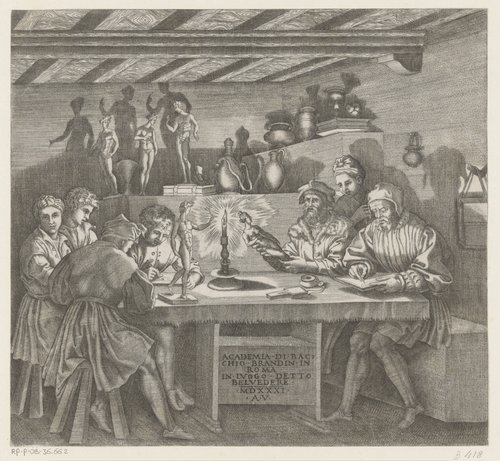
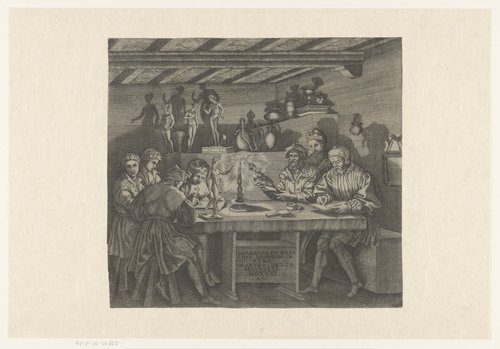
After the 1527 sack, Veneziano returned to Venice, collaborating on illustrations for Sebastiano Serlio, before traveling to Mantua and Florence and resettling in Rome by 1531, where he produced sets of ornamental panels (1530–35), antique vases, and *The Academy of Baccio Bandinelli* (1531). Active until at least 1536 and presumed deceased around 1540, he left a prolific legacy of some 188 engravings (141 monogrammed), uniquely spanning the rise of the reproductive print and the early "industrialization" of Italian printmaking, making elite designs widely accessible.