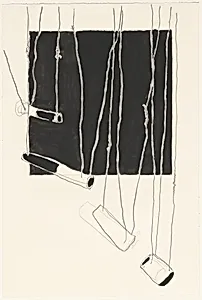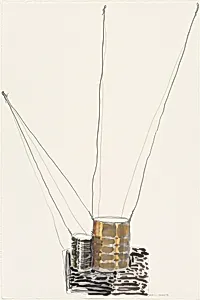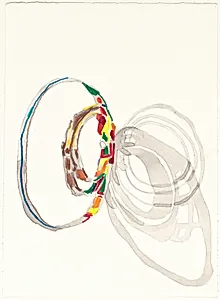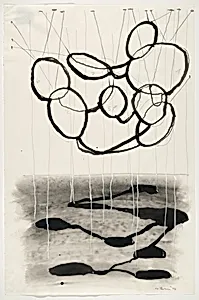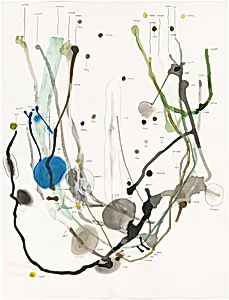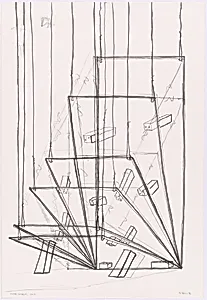
Al Taylor (1948–1999) was born in Springfield, Missouri, and received his B.F.A. from the Kansas City Art Institute in 1970, where he trained as a painter. That year, he relocated to New York City, embracing the vibrant art scene and taking a job as an assistant to Robert Rauschenberg, whose medium-blending experiments shaped Taylor's lifelong curiosity about the interplay between two and three dimensions. Initially focused on painting, Taylor abandoned it around 1985, pivoting to an inventive practice of drawings and sculptures he dubbed "drawing instruments" or "tools for vision." These works drew from painting's perspectival traditions rather than pure sculpture, using humble, everyday materials like broomsticks, wire, hula hoops, Plexiglas, and coffee cans to probe spatial perception, time, and the absurd poetry of ordinary objects.
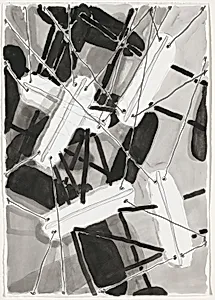
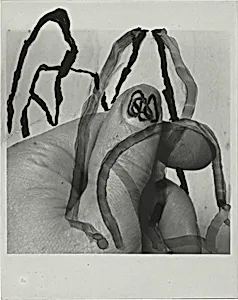
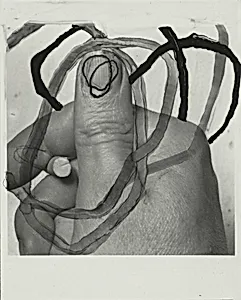
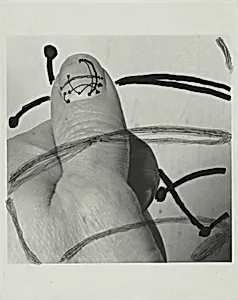
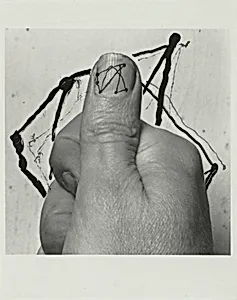
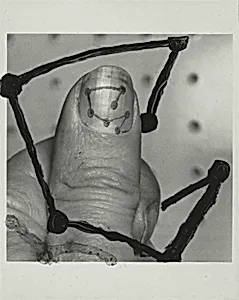
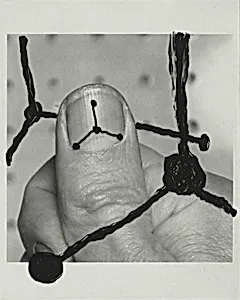
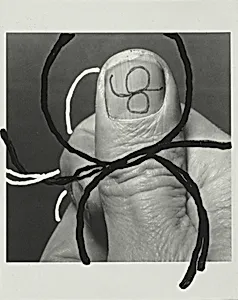
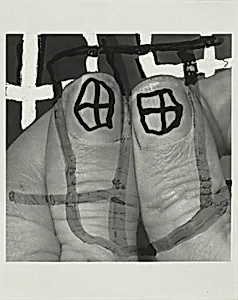
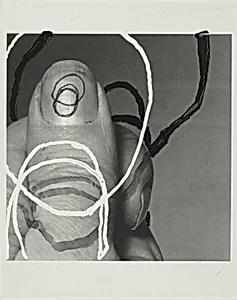
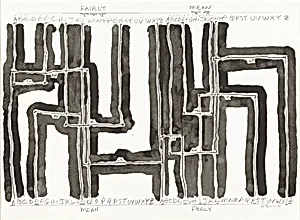
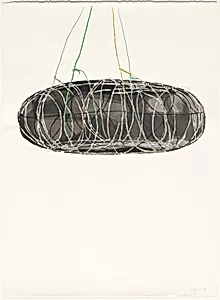
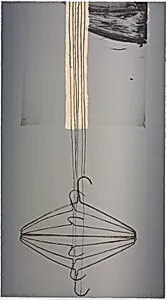
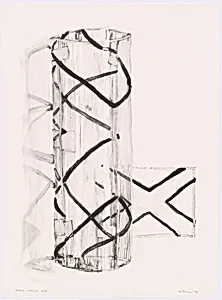
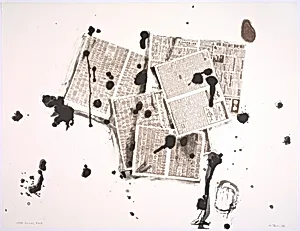
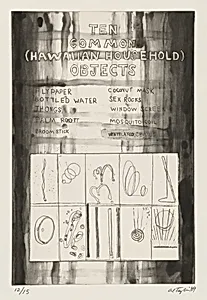
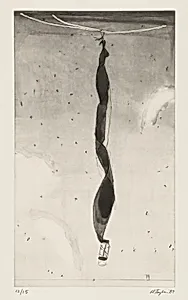
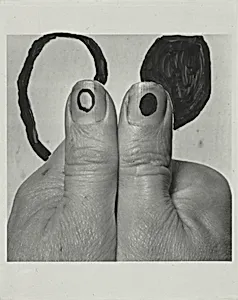
Taylor's style infused Process Art's austerity with lyricism, humor, and whimsy, transforming banal items into witty contraptions that invited viewers to "look around" like a pool player eyeing angles. His sculptures extended drawings into space, creating reciprocal dialogues across media—no hierarchy between paper and plywood. Series like *Wheel Studies* (1981–1985) and *Latin Studies* (1984–1985), featuring *Untitled (Latin Study)* (1985), marked his early shift, while *Pet Stains and Puddles* (1989–1992) included playful *Pet Stain Removal Device* (1989) with bamboo stakes and wire evoking imagined spills. Hawaiian trips inspired *Ten Common (Hawaiian Household) Objects* (1989), such as *Thongs*, and *Pass the Peas* (1991), with etchings like *Pissing Across Crosby St.* Later gems encompassed *Wire Instruments* (1989–90), *X-Ray Tube* (1995), *Full Gospel Neckless* (1997), and *Bondage Duck* (1998–1999), alongside drawings like *Fish Parts* (1992) and the *All Thumbs* photogravures (1997).
Though he gained early traction in Europe with solo shows at Kunsthalle Bern (1992) and Kunstmuseum Luzern (1999), Taylor's U.S. recognition bloomed posthumously. Major surveys followed at the High Museum of Art (2017–2018), Morgan Library & Museum (2020), and David Zwirner galleries, cementing his legacy in collections like the National Gallery of Art (41 works), Whitney, and MoMA. Taylor's oeuvre endures as a sly meditation on seeing anew, blending technical finesse with conceptual mischief to reveal the multidimensional magic in the mundane.(348 words)