Ctrl K
1882–1943
Albert Rudin (1882–1943) was an American artist best known for his contributions to the Index of American Design, a Federal Art Project initiative under the Works Progress Administration (WPA) that sought to document the nation's folk art and vernacular objects through precise artistic renderings. Active primarily in Illinois, Rudin produced detailed watercolor illustrations during the late 1930s and early 1940s, capturing everyday tools and household items with meticulous accuracy. His involvement in projects like "Swiss in Chicago Prior to 1900" highlights his role in preserving cultural artifacts from immigrant communities. Little is known about Rudin's early life or formal training, as biographical details remain sparsely documented beyond his professional output in government-sponsored art programs.
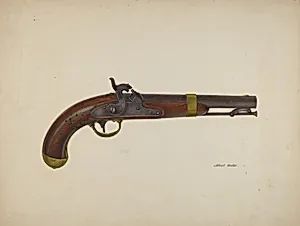
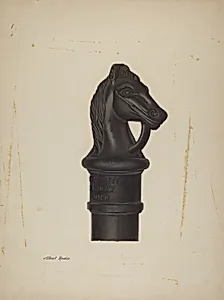
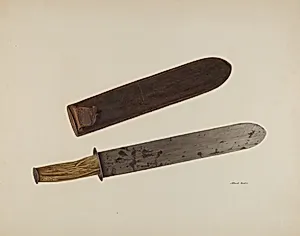
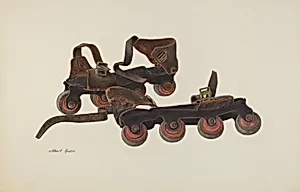
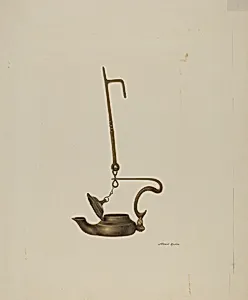
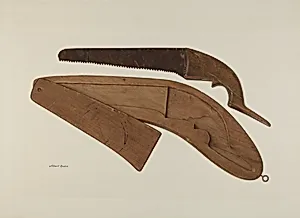
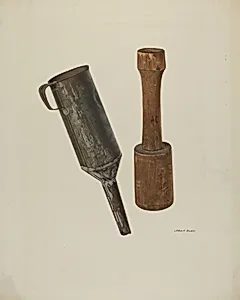
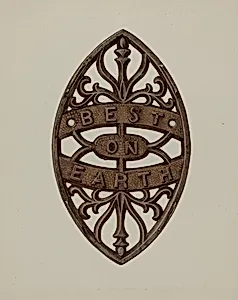
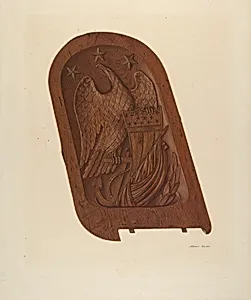
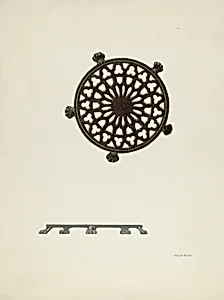
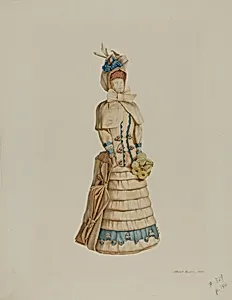
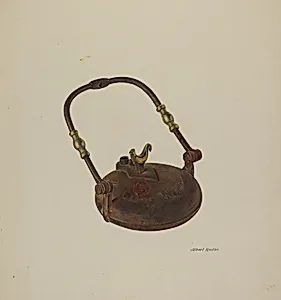
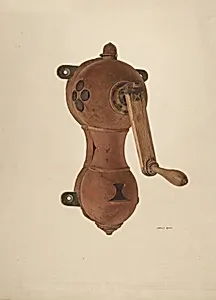
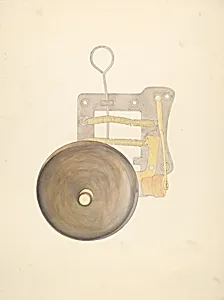
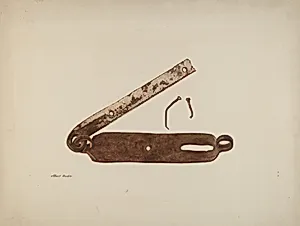
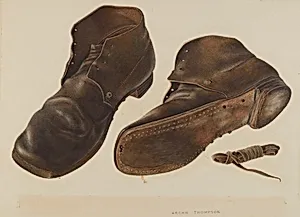
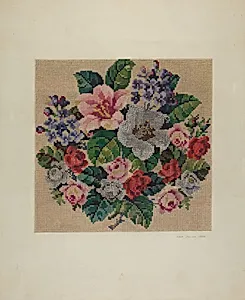
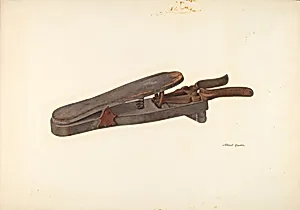
Rudin created numerous works for the Index, employing watercolor, graphite, pen and ink, and colored pencil to render objects with a hyper-realistic fidelity that emphasized texture, form, and historical utility. Notable examples include *Roller Skates* (c. 1941), a vibrant depiction of antique skates; *Knife and Sheath* (c. 1941); *Pistol* (c. 1941); *Saw and Case* (c. 1940); *Hitching Post* (c. 1941); *Bootjack* (c. 1941); and *Sausage Stuffer and Funnel* (1940), among others. Collaborations, such as *Shoes* (c. 1940) with Archie Thompson, further demonstrate his versatility in group efforts. These pieces, often on paper or paperboard, transform mundane implements into celebrated icons of American craftsmanship.
Rudin's style aligned with the Index's mission: objective yet artistic documentation that bridged modernism and folk tradition, devoid of overt stylization but rich in observational precision. His output reflects the era's Depression-era focus on cultural heritage as a source of national pride.
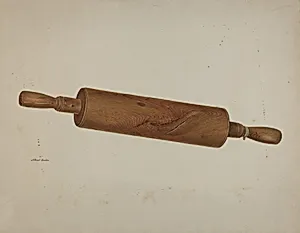
Today, Rudin's legacy endures through the National Gallery of Art's collection of 19 of his works, which have been featured in exhibitions like *Drawing on America's Past: Folk Art, Modernism, and the Index of American Design* (2002–2003). By immortalizing overlooked artifacts—from trivets and rolling pins to naval clappers—Rudin helped safeguard a visual record of America's material culture, influencing later studies in design history and folk art conservation.