Ctrl K
1856–1909
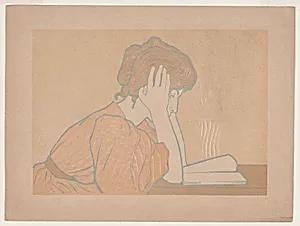
Alexandre-Louis-Marie Charpentier (1856–1909) was a French sculptor, medallist, and decorative artist who became an important figure in the Art Nouveau movement. Born in Paris, he trained at the École des Beaux-Arts and early in his career established a reputation as a skilled sculptor and medallist, winning the Prix de Rome in engraving in 1881.
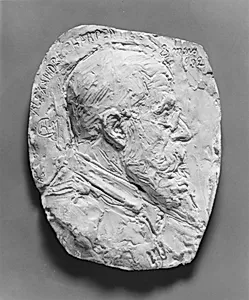
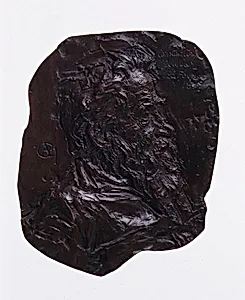
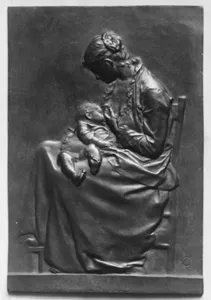
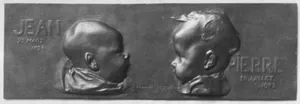
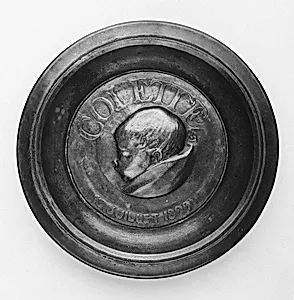
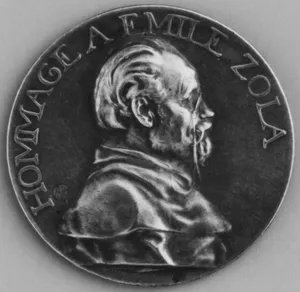
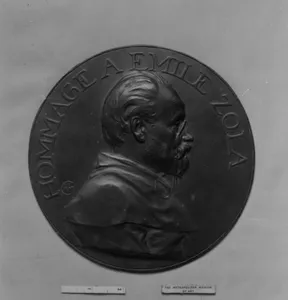
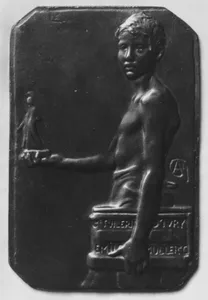
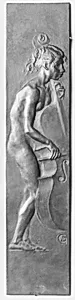
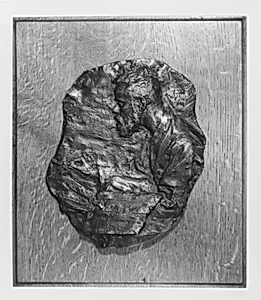
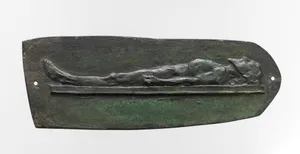
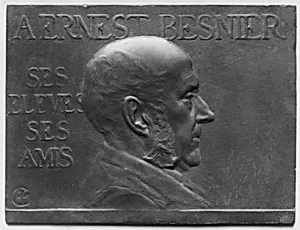
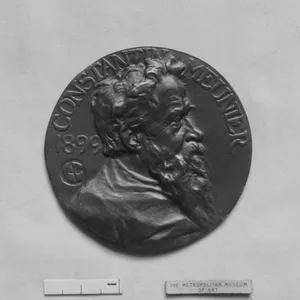
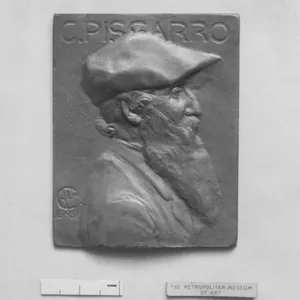
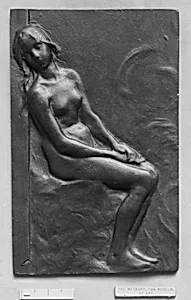
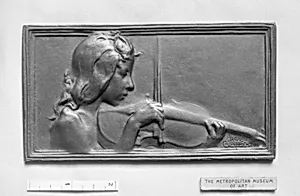
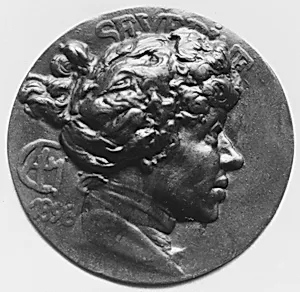
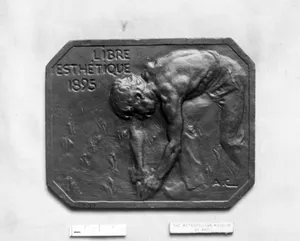
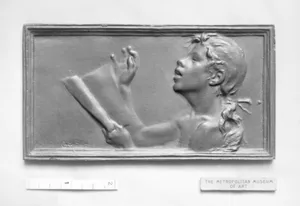
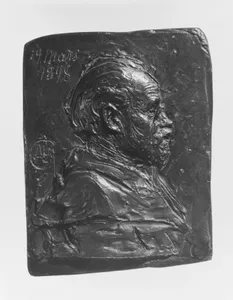
Charpentier became a leading practitioner of the art medal renaissance in late nineteenth-century France, producing portrait medals and plaquettes of remarkable refinement and psychological depth. His medals departed from the stiff formality of academic numismatic art, introducing a naturalism and intimacy that reflected the influence of Auguste Rodin, with whom he was closely associated. His medallion portraits capture their subjects with a warmth and directness that distinguished them from conventional commemorative pieces.
Beyond medals, Charpentier was deeply engaged with the decorative arts and the ideal of the total work of art (Gesamtkunstwerk). He designed furniture, interiors, and architectural ornament in the Art Nouveau style, and was a founding member of the group Les Cinq and later Art Nouveau Bing, through which he exhibited alongside artists like Jean Dampt and Félix Aubert. His dining room ensemble, now in the Musée d'Orsay, is considered one of the finest surviving Art Nouveau interiors.
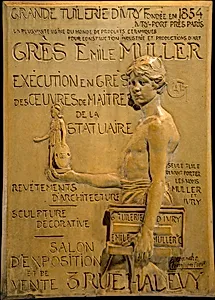
Charpentier was also a committed advocate for the democratization of art, believing that well-designed everyday objects could elevate public taste. He contributed to the revival of the art medal as a collectible art form accessible to a broad audience. His works are held by the Musée d'Orsay, the British Museum, the Bibliothèque nationale de France, and numerous numismatic collections.