Ctrl K
1855
Alf Bruseth (1898–1974) was born on May 10, 1898, in Silvana, Washington, a small logging community in Snohomish County. As a self-taught artist specializing in watercolor and drawings, Bruseth honed his skills independently before entering the professional art world during the Great Depression. In 1938, he submitted his portfolio to Robert Bruce Inverarity, supervisor of the Federal Art Project in Seattle, securing a position with the Works Progress Administration (WPA). Bruseth appeared in group photographs of Seattle WPA artists alongside figures like William Cumming and Jacob Elshin, capturing the collaborative spirit of the era's public art initiatives.
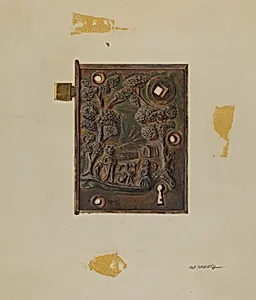
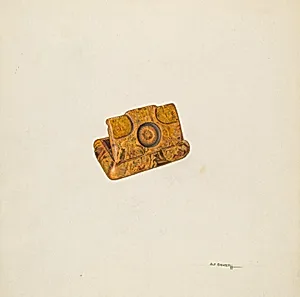
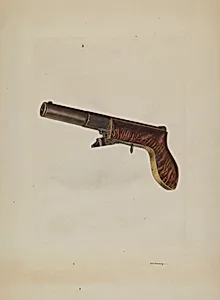
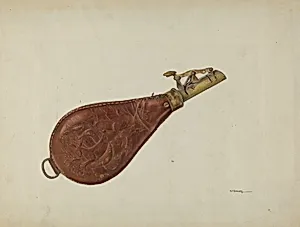
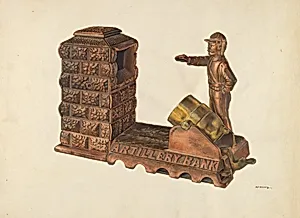
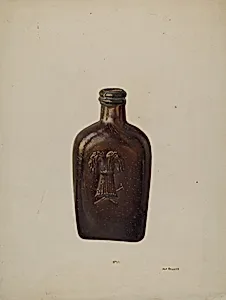
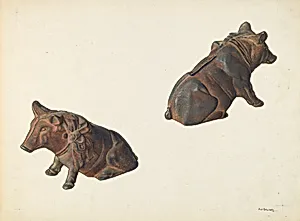
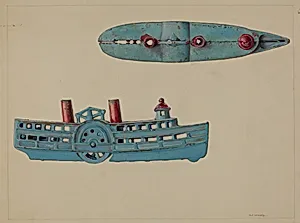
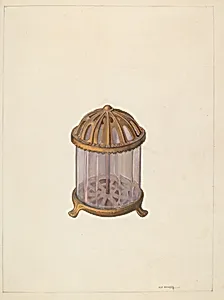
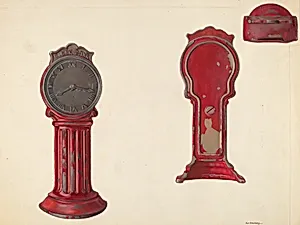
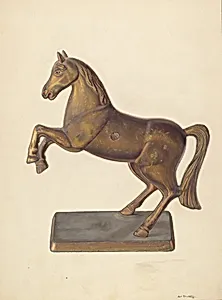
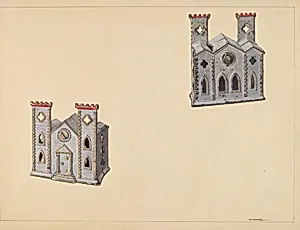
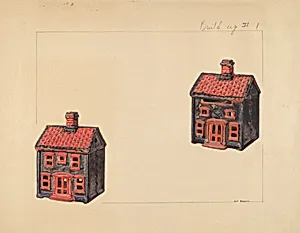
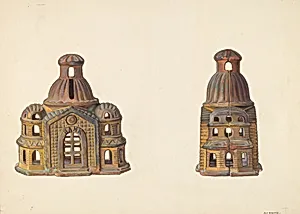
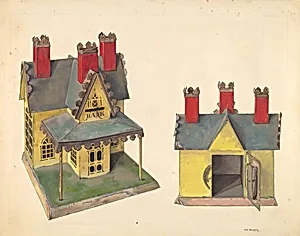
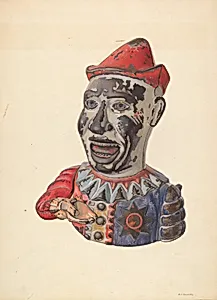
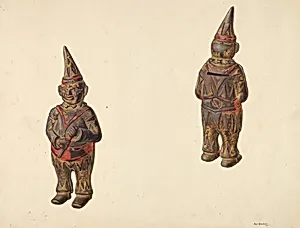
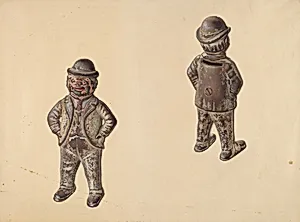
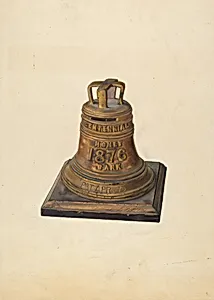
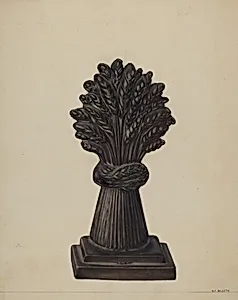
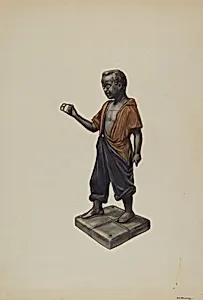
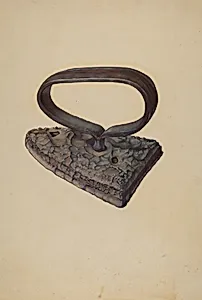
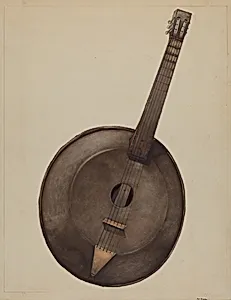
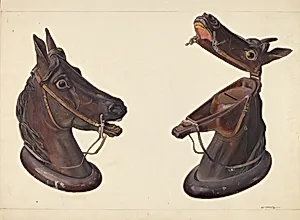
Bruseth's most significant contributions came through the WPA's Index of American Design, a monumental effort to document everyday American folk art and craft objects through precise, colorful watercolor renderings. Working circa 1935–1942, he produced detailed depictions of whimsical coin banks, toys, and utilitarian items, preserving their cultural essence for posterity. Notable works include *Fat Clown Coin Bank* (c. 1938), *Politician Coin Bank* (c. 1938), *Rearing Horse Bank* (c. 1938), *Banjo* (c. 1937), *Horse Statue* (c. 1937), *Flatiron* (c. 1937), *Door Lock* (c. 1940), and *Firemark* (1935/1942), many now housed in the National Gallery of Art's collection. His style—meticulous yet evocative, blending graphite, gouache, pen and ink with watercolor—captured the charm and historical significance of these vernacular objects, reflecting the American Scene tradition's focus on regional material culture.
Sometime before the 1960s, Bruseth relocated to Oakland, California, where he continued as a watercolorist and teacher. In 1964, he was interviewed at his Oakland home by the Archives of American Art, providing insights into his WPA experiences. Though not a household name, Bruseth's legacy endures through his role in safeguarding America's folk art heritage, with over 30 works in major collections and occasional appearances at auction, such as *Window-maker* in 2010. His contributions exemplify how New Deal programs elevated everyday craftsmanship into fine art, influencing later studies in American design history.