Ctrl K
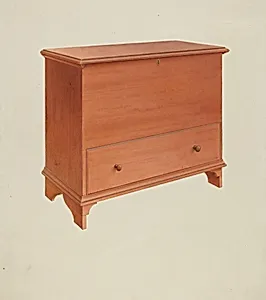
1855
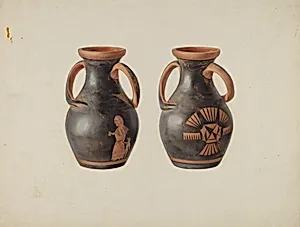
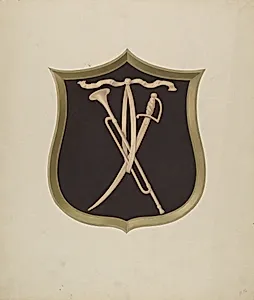
Alfred H. Smith was an American artist active from around 1935 to 1953, best known for his meticulous watercolor and graphite drawings documenting American folk and decorative arts. Little is known about his early life or formal training, as biographical details remain sparsely documented beyond his contributions to federal art initiatives. During the Great Depression, Smith participated in the Index of American Design, a Works Progress Administration (WPA) project launched in 1935 under the Federal Art Project. This ambitious endeavor commissioned artists nationwide to create visual records of regional crafts, furniture, and artifacts from colonial times through the 1930s, preserving a vanishing material culture through precise renderings.
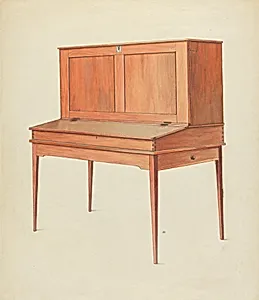
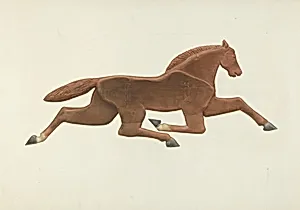
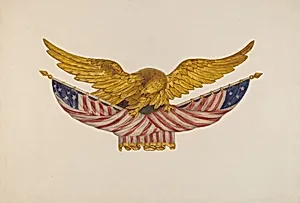
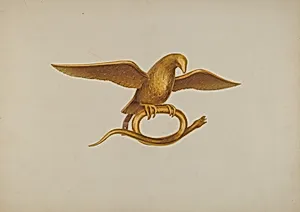
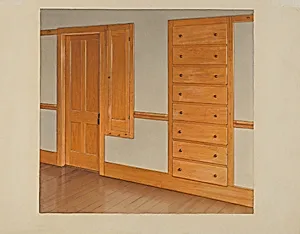
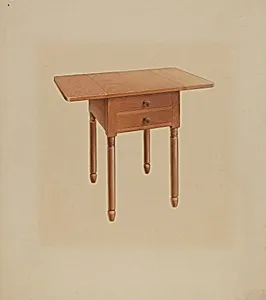
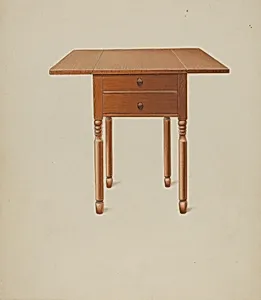
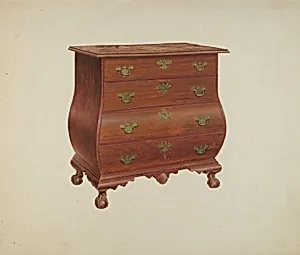
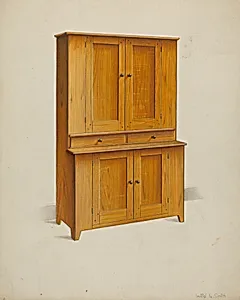
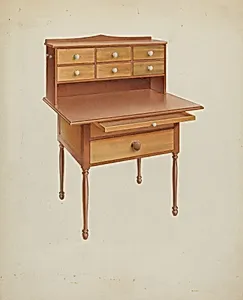
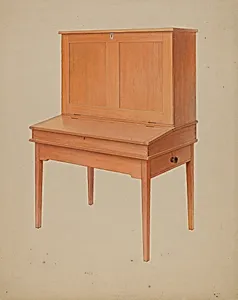
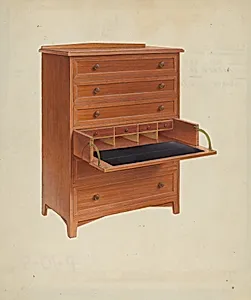
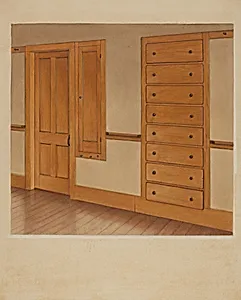
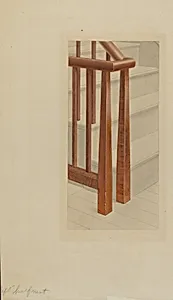
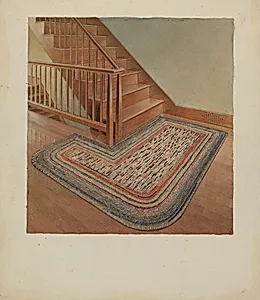
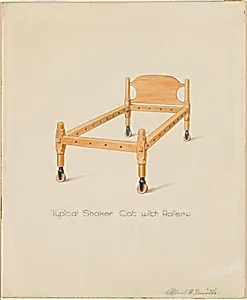
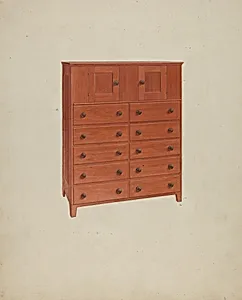
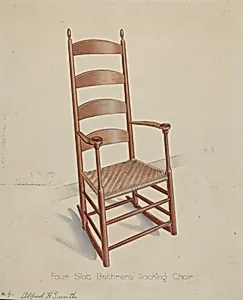
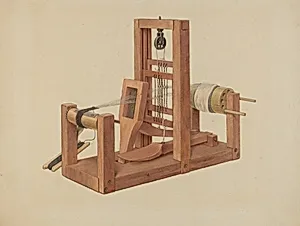
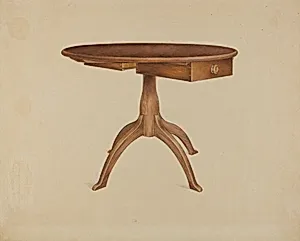
Smith's style exemplifies the Index's emphasis on technical accuracy and aesthetic fidelity, employing watercolor, graphite, colored pencil, gouache, and occasionally pen and ink on paper or paperboard. His works capture the clean lines, functionality, and understated elegance of Shaker furniture—a Quaker sect's tradition of simple, durable design rooted in spiritual austerity. He rendered everyday objects with remarkable detail, highlighting joinery, proportions, and subtle ornamentation that reflected Shaker craftsmanship. Beyond Shakers, Smith's portfolio included maritime carvings and weather vanes, broadening the project's scope to New England folk traditions.
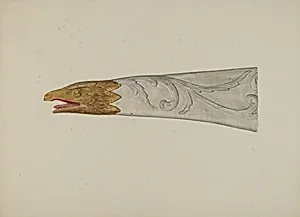
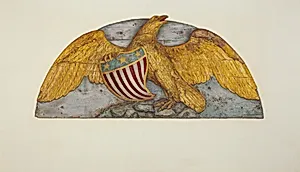
Among his major works are *Shaker Desk* (c. 1938 and c. 1953), *Shaker Table* (c. 1938), *Shaker Secretary* (c. 1938), *Shaker Rocking Chair* (c. 1936–1937), and *Shaker Cupboard* (c. 1938), all housed in the National Gallery of Art's extensive Index collection of nearly 50 Smith pieces. Other highlights include *Eagle Sternpiece* (c. 1940), *Wooden Horse Weather Vane* (c. 1940), and *Cartouche from Salem Gate* (c. 1939), showcasing his versatility in depicting carved eagles, ships' billets, and architectural motifs.
Smith's legacy endures through the Index of American Design, which influenced mid-20th-century appreciation for vernacular arts and informed museum acquisitions and scholarship. His drawings not only archived endangered objects but also celebrated America's democratic craft heritage, bridging artistry with cultural preservation at a pivotal historical moment. Today, they offer invaluable insights into regional aesthetics, reminding us of the artistry in utility.