Ctrl K
![Portrait of Alfred Henry Forrester [Alfred Crowquill]](https://images.artheonmuseum.org/met/dp/thumb/carved-stone-ornamental-panel-and-classical-female-figure-394873.webp)
1804–1872
Alfred Henry Forrester, widely known by his pseudonym Alfred Crowquill, was a versatile British illustrator, author, and caricaturist whose whimsical creations captured the Victorian imagination. Born on 10 September 1804 in London to public notary Robert Forrester, he shared a prolific collaboration with his elder brother, Charles Robert Forrester (1803–1850), who wrote under the name Hal Willis. Together, they adopted the Crowquill pseudonym for satirical articles, comic books, and children's tales until Charles retired around 1843, after which Alfred continued it solo. Educated at a private school in Islington, Alfred honed his skills through self-directed study in drawing, modeling, wood and steel engraving, initially balancing these pursuits with his father's profession as a notary until 1839.
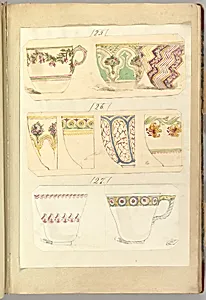
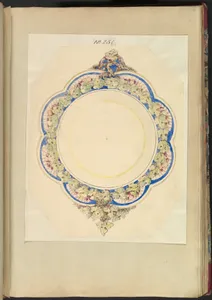
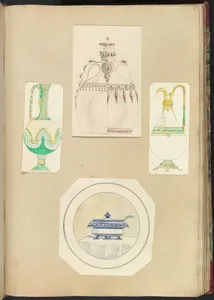
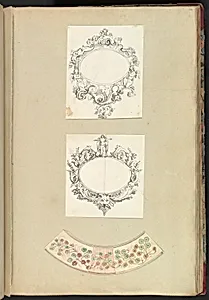
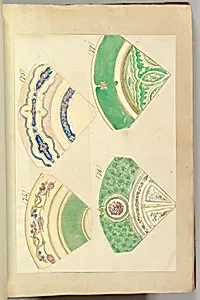
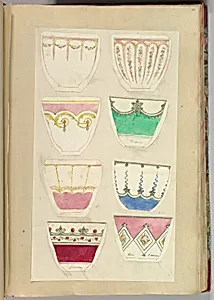
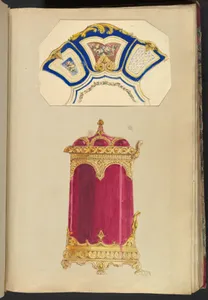
Forrester's artistic style thrived in the burgeoning tradition of humorous illustration, featuring pen-and-ink caricatures, anthropomorphic animals, visual puns, grotesque satire, and arch comedy reminiscent of George Cruikshank, Richard Doyle, and John Leech. A key contributor to early *Punch* (volumes II–IV), *Bentley's Miscellany*, *The Humorist*, *Colburn’s New Monthly Magazine*, and *Illustrated London News*, he produced wood engravings, etchings, and lithographs for cheap, colorful ephemera that blurred class lines in popular amusement. His output extended to pantomime designs, ceramics—like the "Memorial of the Great Exhibition of 1851" and a Wellington Bear statuette gifted to Queen Victoria in 1851—and exhibitions of sketches at the Royal Academy in 1845 and 1846.
Forrester authored and illustrated dozens of works, including *Phantasmagoria of Fun* (1843, two volumes of animal-themed sketches), *Guide to Watering Places* (1839), *A Bundle of Crowquills* (1854), *Comic Latin Grammar* (1840, with John Leech), *The Tour of Dr. Syntax* (1838), *Beauty and the Beast* (1854, by Julia Corner), and *The Marvellous Adventures of Master Tyll Owlglass* (1860). Children's books dominated his later career, such as *Picture Fables* (1854), *Fairy Tales* (1857), *Fairy Footsteps* (1861, with Kenny Meadows), and series like *Little Plays for Little People* (1856).
Forrester's legacy endures as a pioneer of comic illustration and early graphic novels, blending literature and visual humor to delight generations. His vast bibliography—over twenty self-written titles, plus countless illustrations—cemented his role in Victorian popular culture, from periodicals to nursery rhymes, until his death on 26 May 1872 in London.