Ctrl K
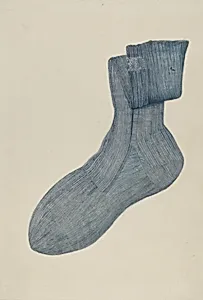
1855
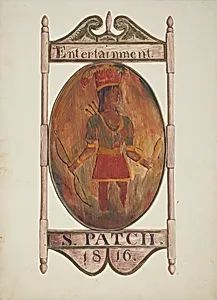
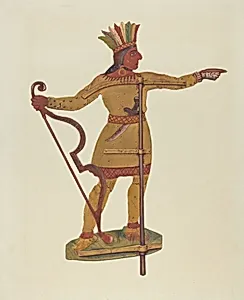
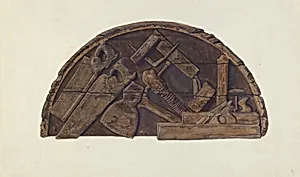
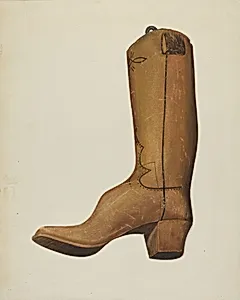
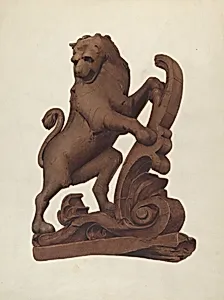
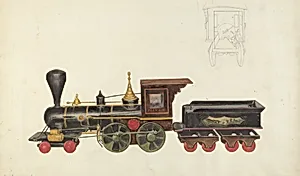
Alice Stearns was an American artist active around 1935, renowned for her precise watercolor and gouache renderings of everyday American folk art objects. Working under the Works Progress Administration's (WPA) Federal Art Project, she contributed to the Index of American Design, a Depression-era initiative launched in 1935 to document the nation's crafts, decorative arts, and vernacular designs before they vanished. Associated with the Massachusetts project, Stearns captured the ingenuity of colonial-era trade signs, whirligigs, and Shaker textiles, emphasizing their bold colors, carved details, and functional beauty.
Details of Stearns's early life, training, or teachers are not well documented, reflecting the modest profiles of many WPA artists who prioritized documentation over personal acclaim. Her style aligned with the Index's photorealistic approach—meticulous graphite outlines paired with vibrant washes—to faithfully reproduce three-dimensional objects on paper, often measuring around 15 by 12 inches. This technique highlighted the anonymous craftsmanship of carvers, sign painters, and weavers, turning utilitarian items into celebrated icons of American material culture.
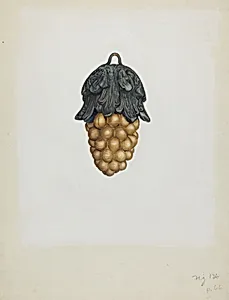
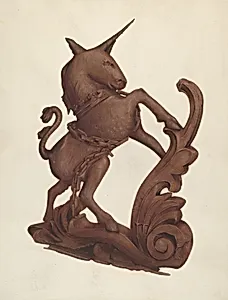
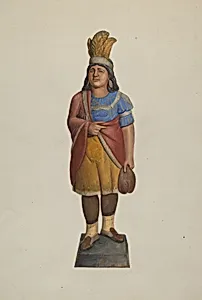
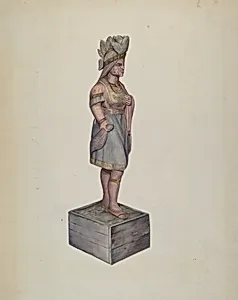
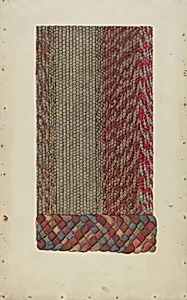
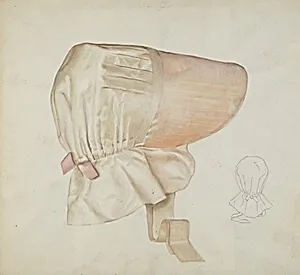
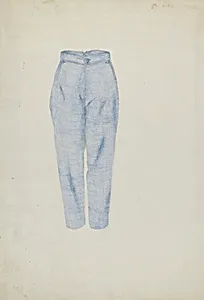
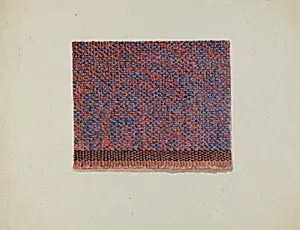
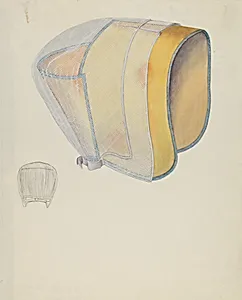
Among her major works in the National Gallery of Art's collection of sixteen pieces are *Tavern Sign* (c. 1938, watercolor and gouache), depicting a whimsical rooftop advertisement; dual *Cigar Store Indians* (c. 1937, watercolor and colored pencil), statuesque tobacco sentinels; *Unicorn* (c. 1937, watercolor), a fantastical weathervane; *Boot Shop Sign* (c. 1937); *Bunch of Grapes* (c. 1937); and Shaker artifacts like *Shaker Man's Trousers* (c. 1936), *Shaker Infirmary Cap* (c. 1936), and *Shaker Rug* (c. 1936). These renderings, produced circa 1936–1938, showcase her eye for texture—from woolen weaves to weathered wood—and historical resonance.
Stearns's legacy endures through the Index's vast archive, now digitized and studied for insights into regional aesthetics and immigrant influences on U.S. design. Her contributions helped elevate folk art from roadside curiosities to museum-worthy treasures, influencing mid-20th-century revivals and contemporary craft movements. By preserving these slices of everyday Americana, Stearns bridged past and present, reminding us of the artistry in the ordinary.