Allan McCollum, born on August 4, 1944, in Los Angeles, California, grew up in a family immersed in the arts. His father, Warren McCollum, was a Broadway performer and film actor known for roles in films like *Reefer Madness* (1938), later working as a security guard, while his mother, Ann Hinton, acted, sang, and accompanied on piano. McCollum's maternal uncle, Sam Hinton, was a prominent folk singer and music historian, and his maternal uncle-in-law, Jon Gnagy, hosted a long-running television art instruction program from 1946 to 1970. After briefly pursuing acting in Essex, England, in 1964 and attending Los Angeles Trade Technical College for five months to study restaurant management, McCollum self-educated as an artist starting in 1967. Influenced by Fluxus writings, he worked as a truck driver and crate-builder for an art handling company in West Hollywood, gaining exposure to the art world, before establishing a studio in Venice Beach in 1970.
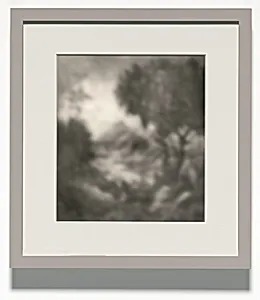
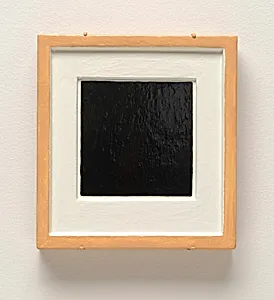
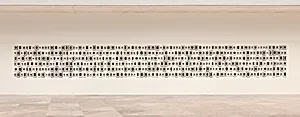
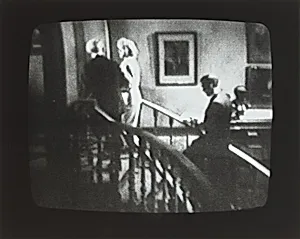
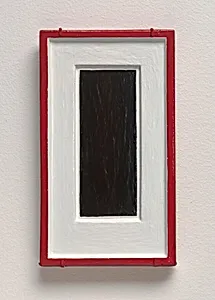
McCollum relocated to New York City's SoHo in late 1975, where his inclusion in the Whitney Biennial that year marked his breakthrough. A conceptual artist and sculptor, he probes the tensions between unique handmade objects and mass production, often creating vast series of ostensibly identical yet individually distinct works. His iconic *Surrogate Paintings* series, begun in the late 1970s, evolved into the *Plaster Surrogates* (such as *Collection of Forty Plaster Surrogates*, 1982, cast and painted 1984), cast hydrostone objects mimicking framed paintings with blank, textured centers that question originality and display. Between 1988 and 1991, he produced over 30,000 *Individual Works* from molds of everyday objects like bottle caps and kitchen tools, and thousands of unique graphite *Drawings* using combinatorial protocols.
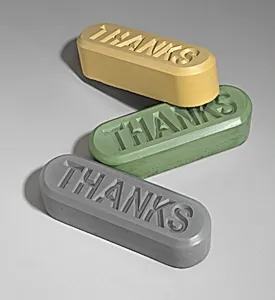
In the 1990s and beyond, McCollum shifted toward site-specific collaborations with communities, replicating local artifacts like dinosaur tracks, fulgurites, and geological formations to explore identity and history. His *Shapes Project* (2005–2006) is a combinatorial system of 300 parts yielding over 30 billion unique shapes—one for every person on Earth—realized in prints, sculptures, and even cookie cutters, now in collections like MoMA. With over 140 solo exhibitions, including retrospectives across Europe and participation in the Venice Biennale, McCollum's oeuvre resides in more than 90 major museums worldwide, from MoMA and the Whitney to the National Gallery of Art, cementing his legacy as a pioneer in blurring art's authenticity with reproducibility.