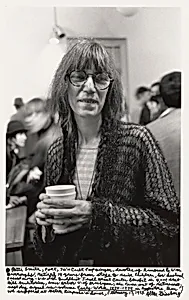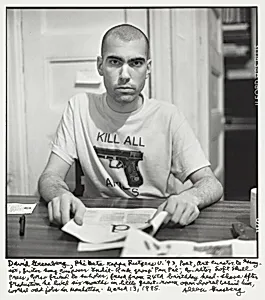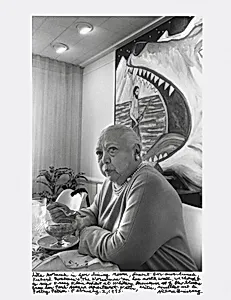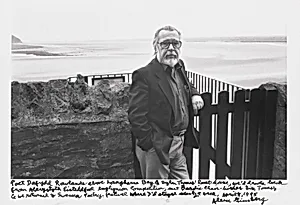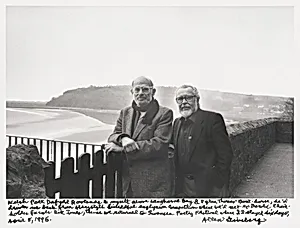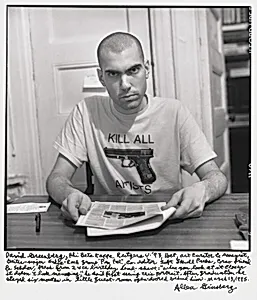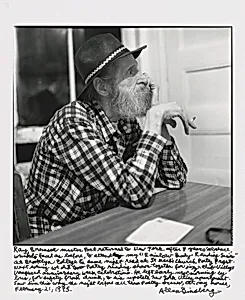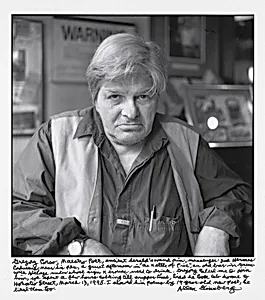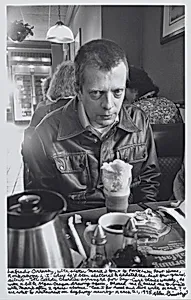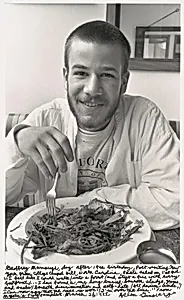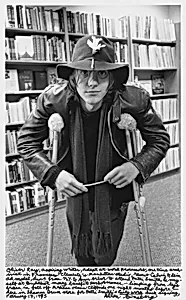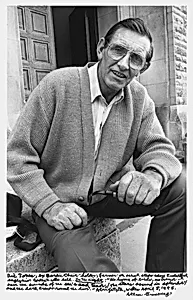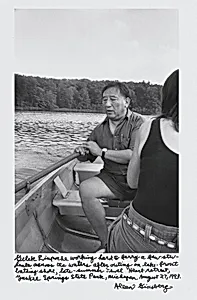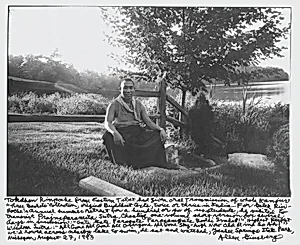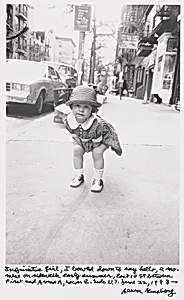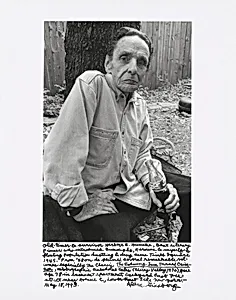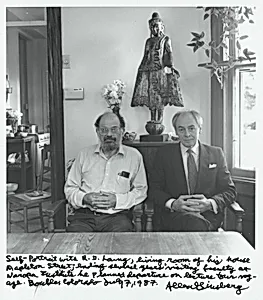
Allen Ginsberg (1926–1997), born in Newark, New Jersey, emerged as a multifaceted figure in American culture, best known as a Beat Generation poet but also a prolific visual artist whose photographs, drawings, and prints captured the raw energy of his era. His early life offers little documentation on artistic training, though he attended Columbia University in the 1940s, where he formed connections with literary peers that influenced his later creative output. Ginsberg's visual pursuits began in the 1950s, aligning with his literary rebellion against postwar conformity, as seen in untitled works from 1955 held by institutions like the Spencer Museum of Art.
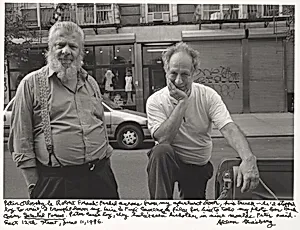
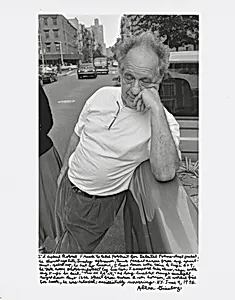
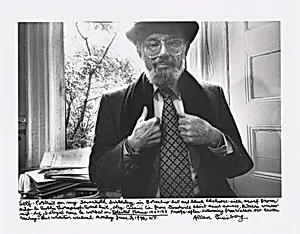
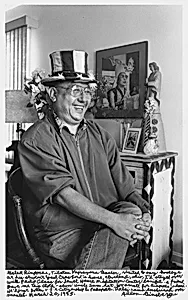
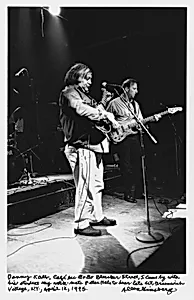
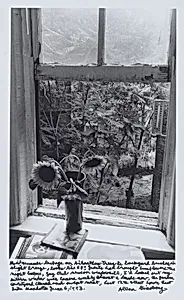
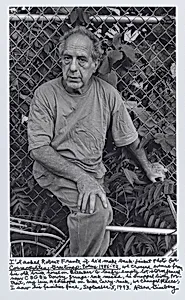
Ginsberg's photography stands as a cornerstone of his visual legacy, with intimate black-and-white portraits of Beat icons like Jack Kerouac and William S. Burroughs taken from the 1950s through the 1990s. These "drugstore" prints and snapshots, totaling dozens in major collections, culminated in the National Gallery of Art's 2010 exhibition *Beat Memories*, featuring 79 works that chronicled his bohemian circle and countercultural life. Complementing this, his drawings—often intricate inscriptions in his own poetry books—evolved from compact motifs like sunflowers, suns, and stars in 1970s City Lights editions to more expansive, detailed illustrations in 1980s Harper & Row volumes, spanning 1975 to 1997 and reflecting a poetic precision in line and symbol.
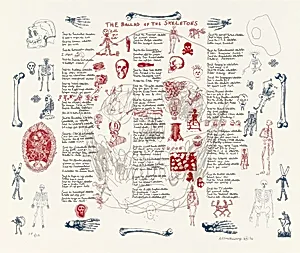
In his final years, Ginsberg embraced printmaking, collaborating with Gemini G.E.L. in 1996 to produce vibrant lithographs and screenprints such as *Untitled #1–4* (1998 editions), *Harry Smith's Birthday Party* (1998), and *The Ballad of the Skeletons* (1996), characterized by bold colors and psychedelic abstraction. Earlier, his 1990 screenprint *Untitled* from the *Allen In Vision* series at the Whitney Museum evoked hallucinatory portraits with color calibration bars, bridging his literary surrealism to visual form. Working in the Beat tradition, his style fused spontaneous expression with Eastern spiritual influences from his Buddhist studies.
Ginsberg's visual oeuvre, encompassing over 200 documented works across drawings, photographs, and prints, endures in museum collections like the Whitney, SFMOMA, and Spencer, immortalizing the Beat ethos through personal, unpolished authenticity. His art, much like *Howl*, challenged norms, leaving a legacy as a countercultural documentarian whose images pulse with the same prophetic intensity as his verse.