Ctrl K
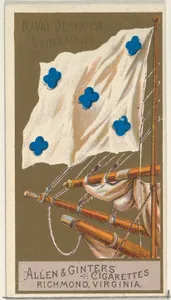
Allen & Ginter, the pioneering American tobacco firm based in Richmond, Virginia, emerged around 1880 from the partnership of John F. Allen and Lewis Ginter, evolving from Allen's earlier John F. Allen & Company. Allen retired in 1882, succeeded by John Pope, yet the brand endured under Ginter's leadership, employing over 1,100 workers—mostly women—for hand-rolled cigarettes by 1886. Ginter, a Dutch immigrant descendant who arrived in Richmond in 1842, brought a refined sensibility shaped by interests in arts, literature, and architecture, though the firm's "training" lay in commercial innovation rather than formal academies. In the late 1880s, Allen & Ginter revolutionized marketing by inserting chromolithographed trading cards into cigarette packs as stiffeners and promotions, creating the first nationally distributed U.S. tobacco cards.
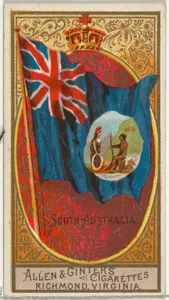
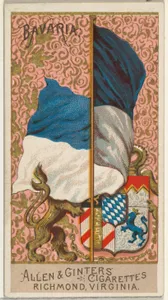
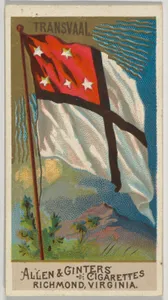
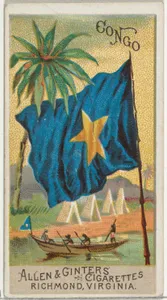
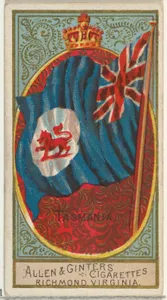
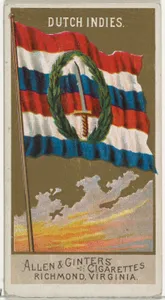
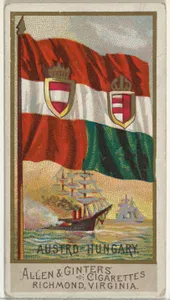
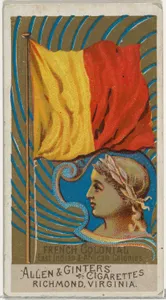
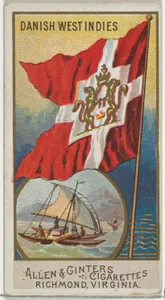
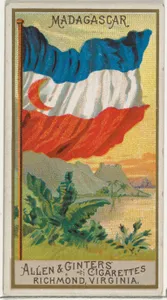
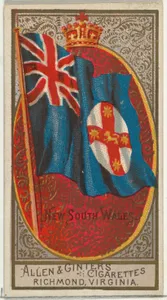
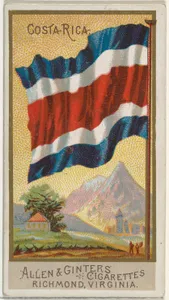
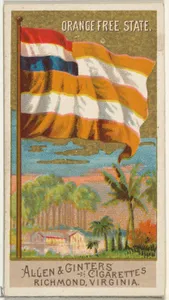
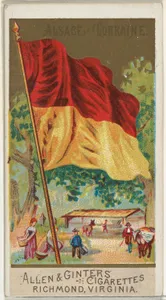
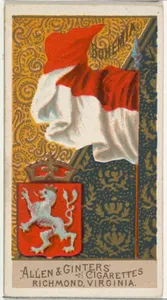
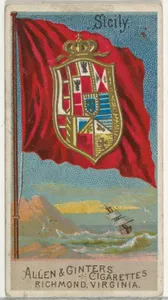
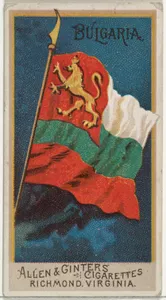
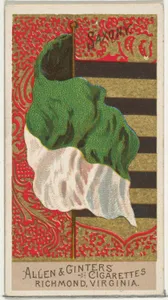
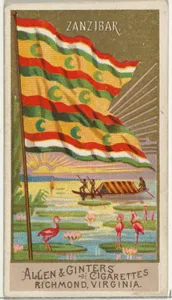
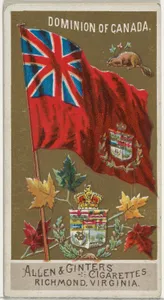
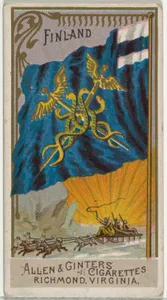
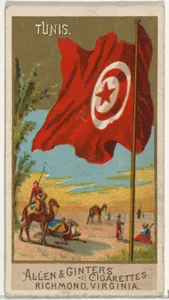
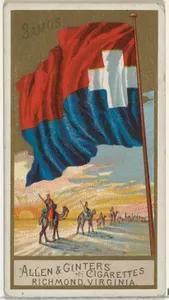
The company's artistic output embodied the vibrant chromolithographic tradition of commercial printing, collaborating with lithographers like George S. Harris & Sons, A. Hoen & Co., Testu & Massin, and others to produce vivid, detailed illustrations. Major series included the groundbreaking 1887 "World's Champions" (N28 and N29), featuring baseball stars like Cap Anson alongside athletes and figures such as Buffalo Bill Cody; "Pirates of the Spanish Main" (N19, 1888); "Flags of All Nations" (N9 and N10); ornithological sets like "Birds of America" (N4) and "Song Birds of the World" (N23); and diverse themes from wild animals (N25) to actresses and inventors. These 1.5" x 2.75" cards, often in sets of 50, captured exoticism, sports heroism, and natural history with bold colors and dynamic compositions, blending education and allure.
Allen & Ginter's merger into the American Tobacco Company in 1890 curtailed independent production, but their cards' legacy endures as the origin of modern trading card culture, elevating athletes like King Kelly to celebrity status and inspiring countless series. Today, the Metropolitan Museum of Art and other institutions preserve thousands, including over 2,900 in select collections, attesting to their enduring artistic merit. Topps revived the brand in 2006 with baseball sets echoing the original style, incorporating hand-painted inserts by artist Dick Perez. Through these ephemeral promotions, Allen & Ginter transformed tobacco packaging into portable art, bridging commerce and collecting for generations.