Ctrl K
1904–1977
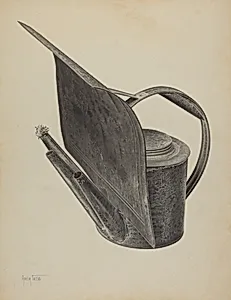
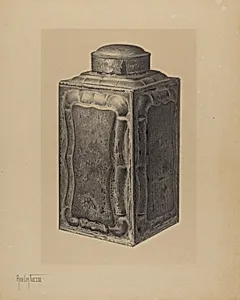
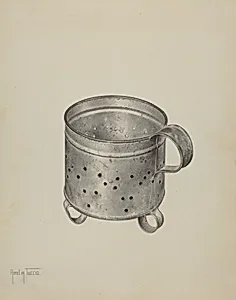
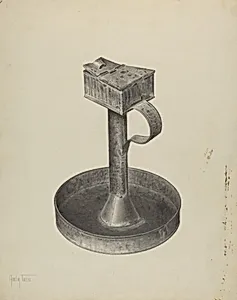
Amelia Tuccio (1904–1977) was an American artist born in Italy on April 1, 1904. Little is known about her early life or formal training, which remains undocumented in available sources. She emerged as a skilled draftsman in the United States during the 1930s, contributing significantly to the Index of American Design, a Federal Art Project under the Works Progress Administration (WPA). This ambitious initiative commissioned artists to create precise renderings of American folk art, crafts, and decorative objects, preserving a visual record of the nation's material culture.
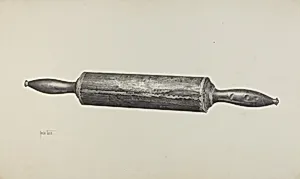
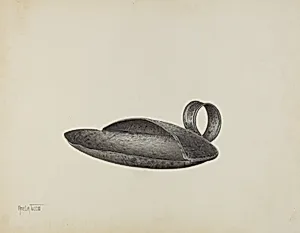
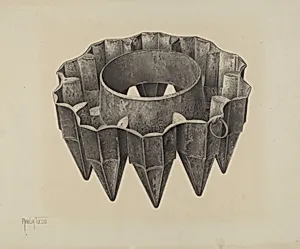
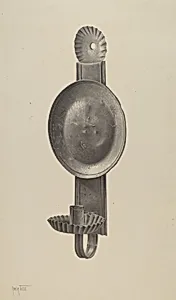
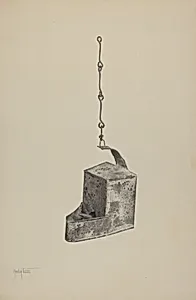
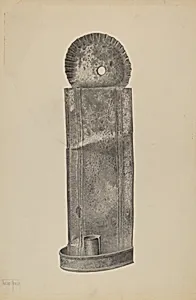
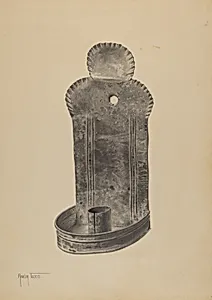
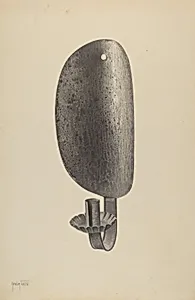
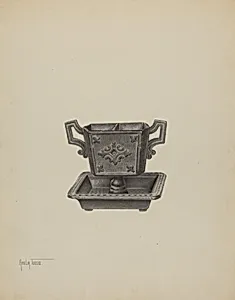
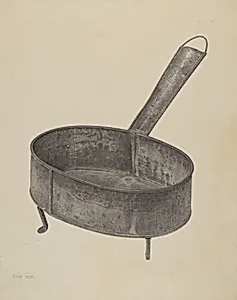
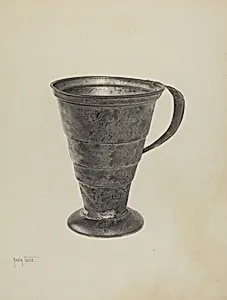
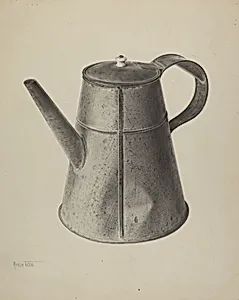
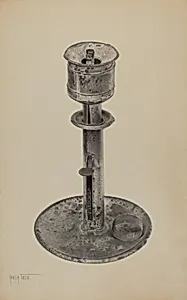
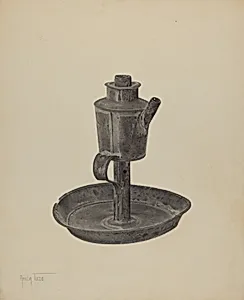
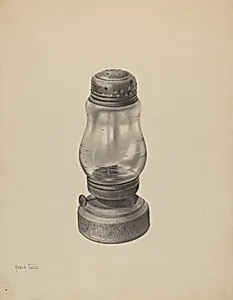
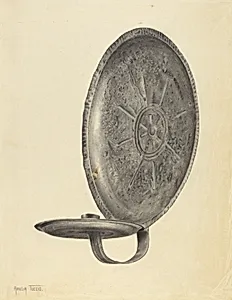
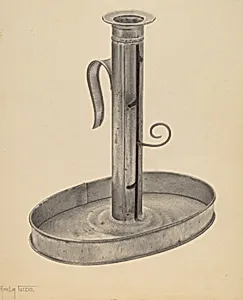
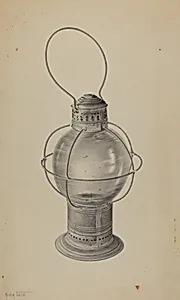
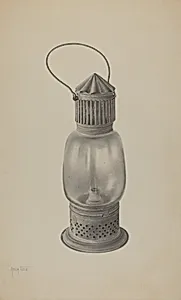
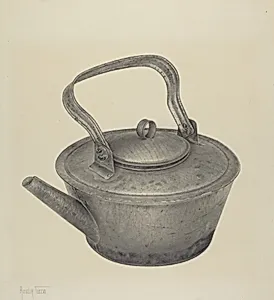
Tuccio's artistic style was characterized by meticulous graphite drawings on paper or paperboard, capturing the intricate details of early American silverware and metalwork with technical precision and a keen eye for historical authenticity. Working primarily in the New York City project of the Index, she focused on colonial-era and Pennsylvania German artifacts, rendering their forms, textures, and ornamental motifs in a realistic manner that highlighted craftsmanship traditions. Her works eschewed abstraction, instead serving as faithful documentation that bridged art and ethnography, much like her contemporaries in the program.
Among her major works are *Silver Creamer* (1936), *Silver Bowl* (1936), *Candlestick* (c. 1938), *Sconce* (c. 1939), and *Pa. German Coffee Pot* (c. 1939), alongside others like *Sperm Oil Can* (c. 1937), *Silver Caster* (1937), and *Tea Kettle* (c. 1940). The National Gallery of Art holds 63 of her drawings, forming a substantial portion of the Index collection and showcasing her productivity between 1935 and 1942.
Tuccio's legacy endures through her role in safeguarding visual records of America's vernacular design heritage, influencing later studies in decorative arts and material culture. Though her personal story fades into obscurity after the WPA era, her detailed illustrations continue to educate and inspire, reminding us of the unsung artists who documented the everyday artistry of the past.