Ctrl K
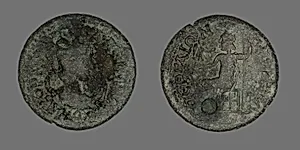
The artists attributed to "Ancient Roman" in museum collections represent the anonymous craftsmen who produced the vast output of sculpture, frescoes, mosaics, and reliefs defining Roman visual culture from the Republic (c. 509–27 BCE) to the late Empire (c. 395 CE). Individual identities remain elusive, as Roman makers were typically viewed as skilled tradesmen—often enslaved Greeks or provincials from conquered territories like Corinth (146 BCE)—rather than celebrated masters. No comprehensive biographies survive, and early lives are not well documented, with signatures exceedingly rare on surviving works.
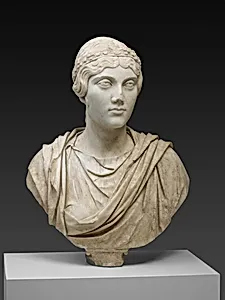
Roman sculptors and painters trained through apprenticeships in bustling urban workshops, absorbing techniques from imported Greek models and lost treatises by artists like Polygnotos and Apollodoros. They worked in the Roman artistic tradition, blending Greek idealism with hyper-realistic portraiture that captured aging skin, furrowed brows, and imperial gravitas—evident in veristic busts of senators and emperors. This eclectic style incorporated Etruscan, Italic, and Egyptian elements, prioritizing propaganda, decoration, and utility over pure aesthetics. Major works include monumental portraits like the Augustus of Prima Porta (c. 20 BCE), narrative reliefs on the Ara Pacis Augustae (13–9 BCE), and the intricate Column of Trajan (113 CE), showcasing dynamic battle scenes in high-relief friezes.
The legacy of these anonymous creators endures in their technical innovations, such as contrapposto figures in marble and illusionistic frescoes from Pompeii (destroyed 79 CE), which influenced Byzantine art and fueled the Renaissance revival. Michelangelo and Raphael studied Roman copies of Greek originals, adapting their portrait realism and spatial grandeur. Today, collections boasting over 1,100 such works—exemplified by inventory 1104—highlight how Roman art transformed public space into theaters of power, bridging antiquity to modernity through enduring marble and stone.