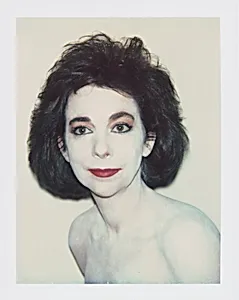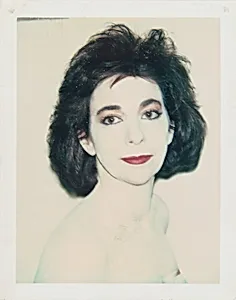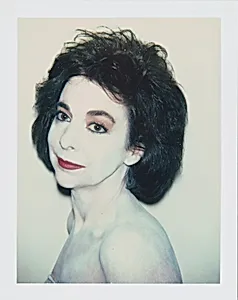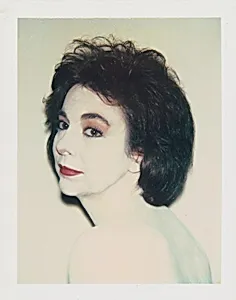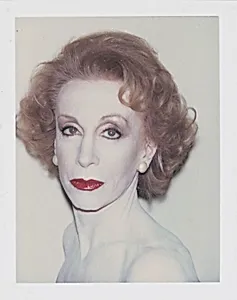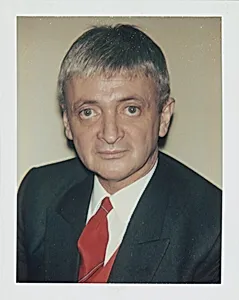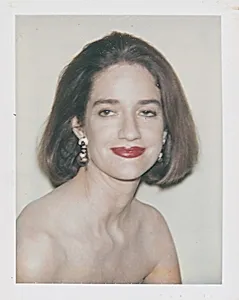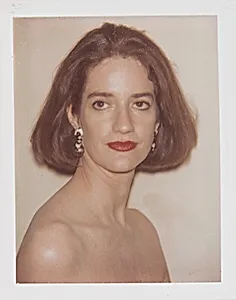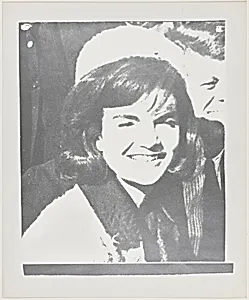
Andy Warhol, born Andrew Warhola Jr. on August 6, 1928, in Pittsburgh, Pennsylvania, was the youngest of three sons to Carpatho-Rusyn immigrants Ondrej and Julia Warhola. His devout Byzantine Catholic family nurtured his artistic inclinations; bedridden at age eight with Sydenham's chorea, he drew from comic books and Hollywood magazines supplied by his artistic mother Julia, who later influenced his early decorative styles. Warhol attended Holmes Elementary, where teacher Catherine Metz noted his drawing talent, and took free Saturday classes at the Carnegie Institute arranged by his elementary art teacher. At Schenley High School, he studied under art teachers Mary Adeline McKibbin and the legendary Joseph Fitzpatrick, who also taught Tam O'Shanter classes. He graduated with a BFA in Pictorial Design from the Carnegie Institute of Technology (now Carnegie Mellon University) in 1949, studying under instructors like Robert Lepper in design, Sam Rosenberg in painting, and Balcomb Greene in advanced painting.
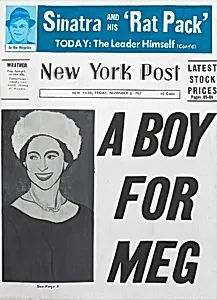
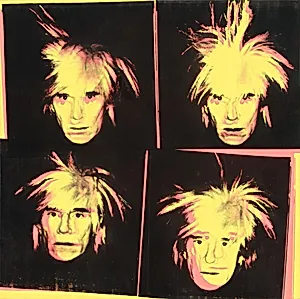
After moving to New York City in 1949 with classmate Philip Pearlstein, Warhol thrived as a commercial illustrator for Glamour, Vogue, I. Miller shoes, and Tiffany & Co., pioneering the "blotted line" technique for whimsical, mass-reproducible drawings. Transitioning to fine art, he became a leading figure in the Pop Art movement, blurring boundaries between high art and consumer culture through silkscreen printing, which allowed mechanical repetition of mass-media images on vibrant canvases. His 1962 breakthrough came with 32 Campbell's Soup Cans paintings at Los Angeles' Ferus Gallery, followed by the Marilyn Diptych that same year, Eight Elvises (1963), Brillo Boxes (1964), and Flowers (1964), which satirized celebrity, death, and commodities.
Warhol's silver Factory studio at 231 East 47th Street (1963–1968) became a hub for superstars, underground films like Empire (1964) and Chelsea Girls (1966), and the Velvet Underground's multimedia Exploding Plastic Inevitable (1966–1967). Shot by radical feminist Valerie Solanas in 1968, he recovered to produce later series including Mao (1972), Athletes (1977), and Last Supper (1985–1986), alongside collaborations with Jean-Michel Basquiat.
Warhol's legacy endures as the pivotal artist of the 20th century's second half, coining "15 minutes of fame," pioneering seriality and appropriation, and expanding art into film, publishing (Interview magazine, 1969), and digital media. His vast oeuvre, held in The Andy Warhol Museum, redefined celebrity and commerce, influencing generations from Jeff Koons to social media aesthetics. He died on February 22, 1987, from post-surgical complications.