Ctrl K
1918–2008
Angelo Bulone (c. 1918–2008) was an American artist active during the Great Depression era, best known for his contributions to the Works Progress Administration's (WPA) Federal Art Project, particularly the Index of American Design. Working out of Cleveland, Ohio, as part of the Ohio WPA Art Program, Bulone created meticulous watercolor and graphite renderings that documented everyday American folk art and crafts, preserving objects that might otherwise have been lost to time. Little is known about his early life or formal training, which remains sparsely documented; no specific teachers or art schools are recorded in available sources.
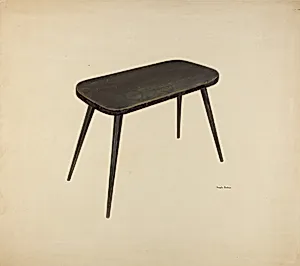
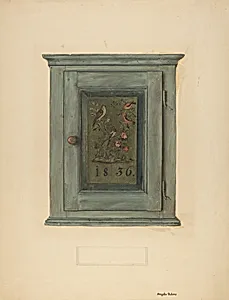
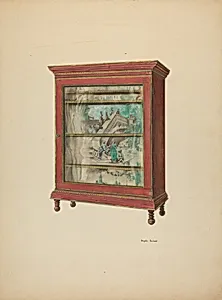
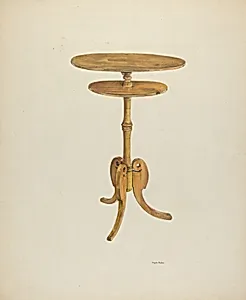
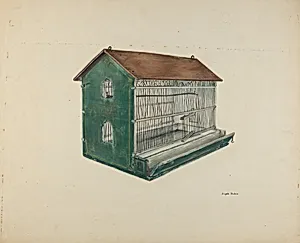
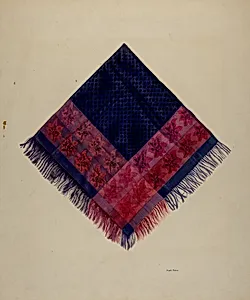
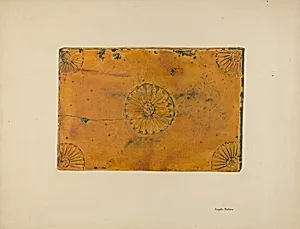
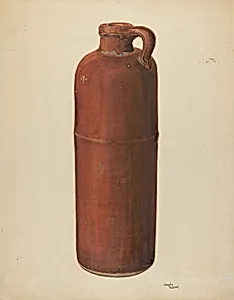
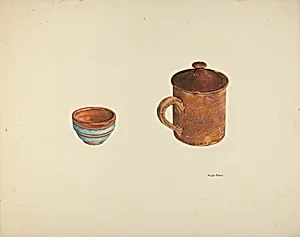
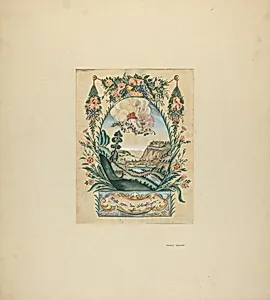
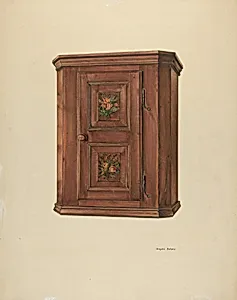
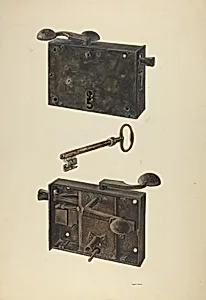
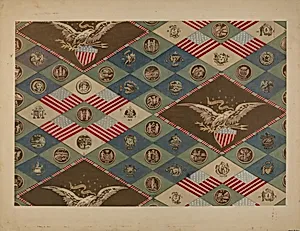
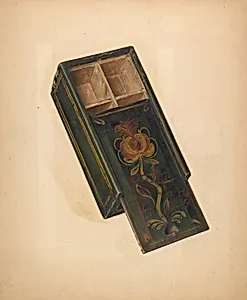
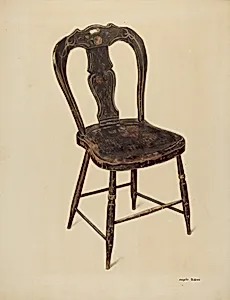
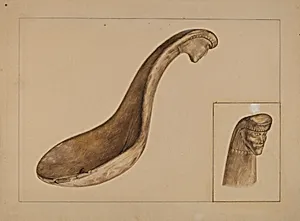
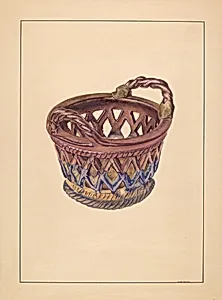
Bulone's artistic style aligned closely with the Index of American Design initiative, emphasizing precise, objective depictions of historical artifacts in watercolor, graphite, pen and ink, and occasionally gouache on paperboard. His works captured the functional beauty of vernacular objects, highlighting their craftsmanship without romantic embellishment. A significant focus was the artisanal legacy of Zoar Village, a 19th-century utopian Separatist community in Ohio, where he rendered items like the *Zoar Chair* (c. 1937), *Zoar Wash Bench* (c. 1941), *Zoar Cupboard* (c. 1939), *Zoar Jug* (c. 1938), *Zoar Fireplace Tile* (c. 1938), and *Zoar Decorative Painting: "This World and the Next"* (c. 1938). Other notable pieces include the *Ladle* (c. 1936) and *Textile (State Emblems)* (c. 1937), as well as prints such as *Cherry Cupboard (Zoar Cabinet)* and *Zoar Cabinet* (1935–1942) in the GSA Fine Arts Collection. These seventeen works in the National Gallery of Art collection exemplify his role in the project.
Bulone's legacy endures through his role in safeguarding America's material culture during a pivotal federal effort to support artists and document heritage. His detailed illustrations not only informed mid-20th-century design scholarship but also continue to educate on regional folk traditions, bridging utilitarian craft with artistic preservation. Though his career extended beyond the WPA into the 1940s, Bulone's output remains a vital archive of pre-industrial American ingenuity.