Ann Parker and Avon Neal were an American husband-and-wife artistic partnership whose decades-long collaboration produced one of the most distinctive bodies of documentary photography and folk-art scholarship in twentieth-century American culture. Working together from the 1950s onward, they combined Parker's photographic eye with Neal's writing and research skills to document vernacular and folk traditions that were in danger of disappearing from the cultural landscape.
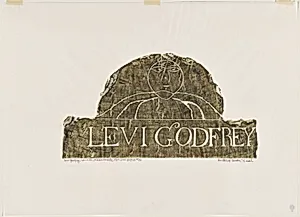
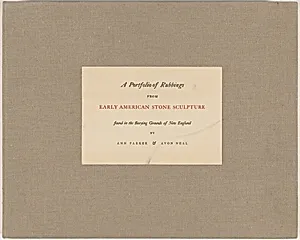
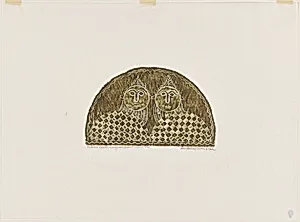
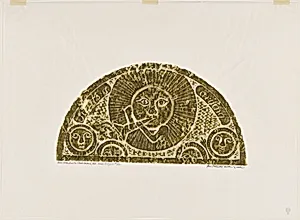
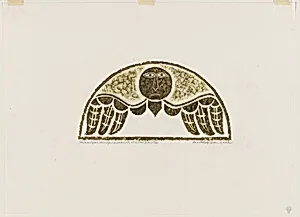
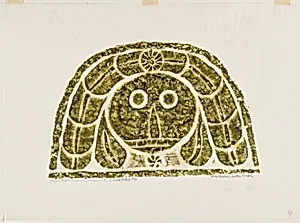
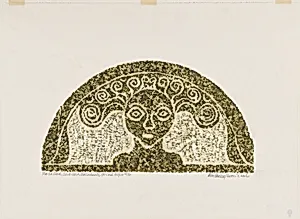
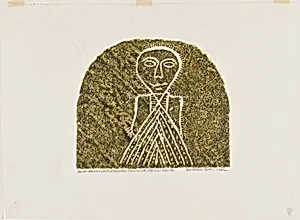
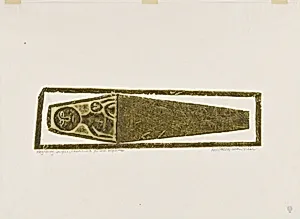
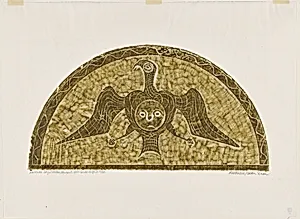
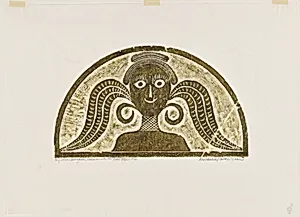
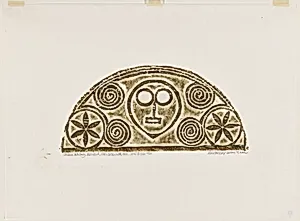
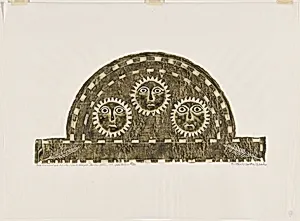
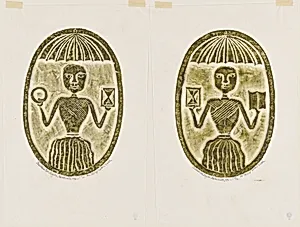
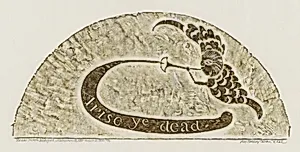
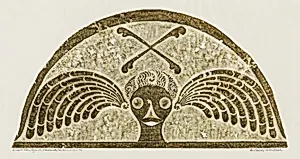
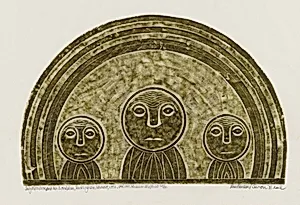
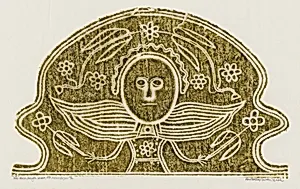
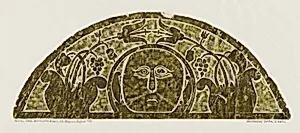
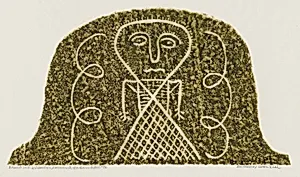
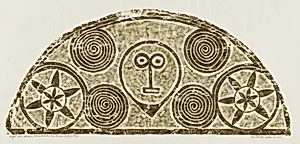
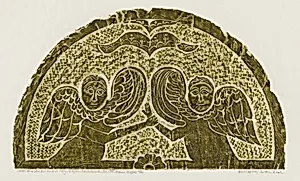
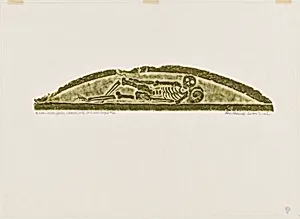
The pair are best known for their intensive study of gravestone rubbings — the technique of capturing carved stone designs by placing paper over a surface and rubbing it with graphite or chalk. Their field work took them across New England cemeteries and eventually to funerary monuments in Mexico, South America, and Europe, resulting in landmark publications that introduced a general audience to the artistry embedded in mortuary stonecutting. These rubbings revealed the extraordinary sophistication of anonymous craftsmen whose work had long been overlooked by mainstream art history.
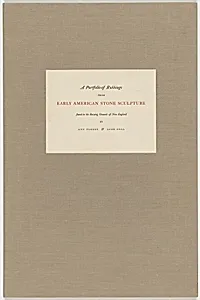
Parker's photographs, often produced in close collaboration with Neal's textual framing, appeared in numerous books and exhibitions. Their joint publications drew praise for treating folk and vernacular art with the same seriousness typically reserved for academic fine art, helping to shift scholarly attitudes toward popular and craft traditions. They were associated with the broader American folk-art revival that gathered momentum during the 1960s and 1970s.
Together, Parker and Neal demonstrated how collaborative practice could yield scholarship and art that neither partner might have produced alone. Their archive stands as a lasting contribution to the documentation of American and international folk culture, and their gravestone-rubbing images in particular remain important resources for historians of material culture and funerary art.