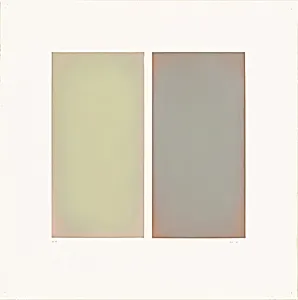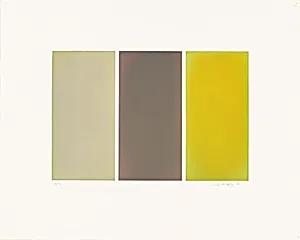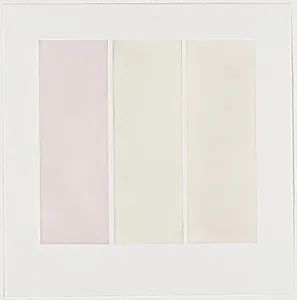
Anne Appleby is an American painter known for her quietly radical abstract paintings that emerge from sustained attention to the natural world. Working primarily in Montana, Appleby has developed a practice rooted in intensive, long-term observation of specific plants and trees through the cycles of seasons, using the information gathered through this meditative looking as the basis for paintings of extreme chromatic refinement and stillness.
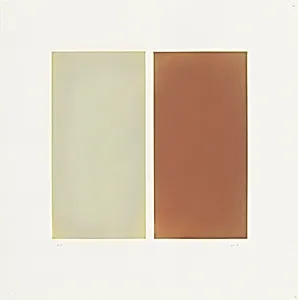
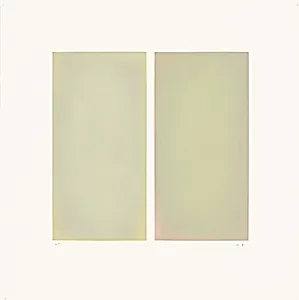
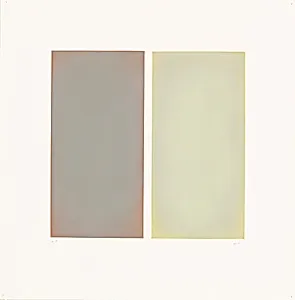
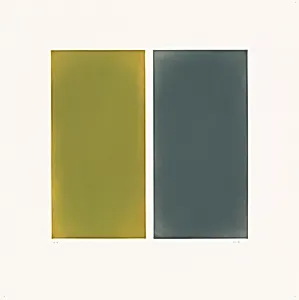
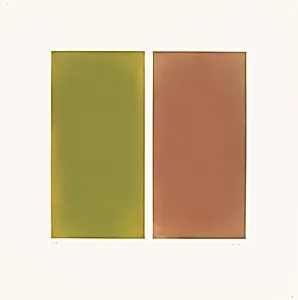
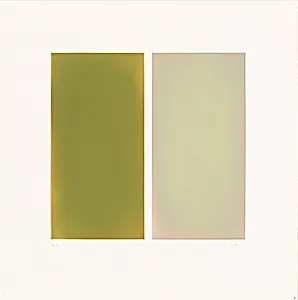
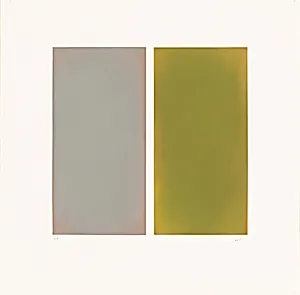
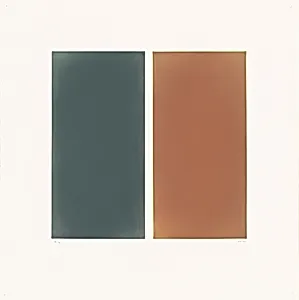
Appleby's mature paintings typically consist of large fields of carefully modulated color — sometimes divided into paired zones or narrow bands — that resist easy description yet convey an unmistakable sense of felt experience. The colors are derived from her observations of natural phenomena: the particular blue of a winter sky, the precise ochre of a specific leaf at a specific moment of autumn. Her canvases are built up through many layers of encaustic (wax-based paint), a technique that gives her surfaces a luminous depth and a subtle tactility quite different from the flat opacity of conventional oil or acrylic abstraction.
Appleby studied at the San Francisco Art Institute, where she was immersed in the Bay Area's experimental and conceptually adventurous art scene. Her subsequent move to rural Montana represented a deliberate choice to ground her practice in direct relationship with a specific landscape rather than with the discourses of urban art centers. This position — at once deeply connected to contemporary abstract painting and rooted in an almost ecological attentiveness — gives her work a distinctive character that has earned it a devoted following.
Her paintings have been exhibited widely in the United States and are held in significant public and private collections. Appleby is recognized as an important voice in contemporary American abstraction — an artist who demonstrates that the most rigorous formal investigation and the deepest attentiveness to the living world need not be in opposition.

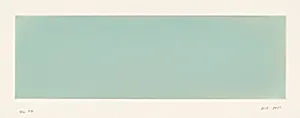
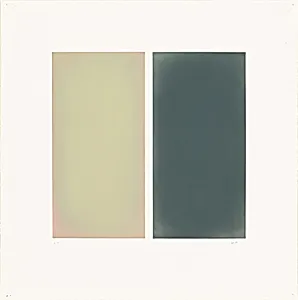
![Cottonwood [working proof 4A]](https://images.artheonmuseum.org/nga/thumb/cottonwood-working-proof-4a-nga-230053.webp)
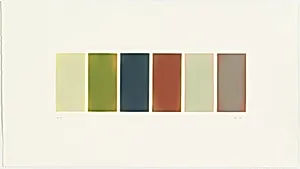
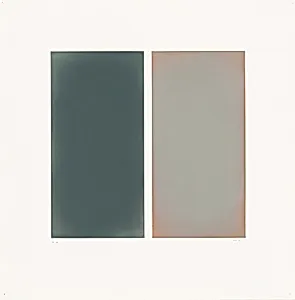
![Cottonwood [working proof 3]](https://images.artheonmuseum.org/nga/thumb/cottonwood-working-proof-3-nga-230052.webp)
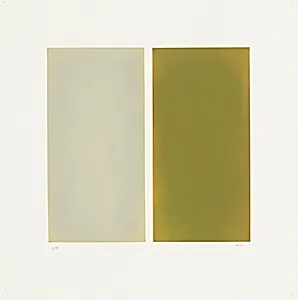
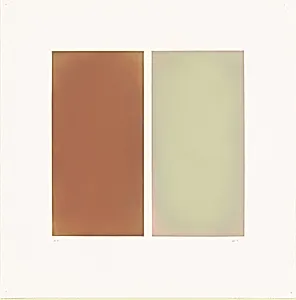
![False Iris [working proof 2]](https://images.artheonmuseum.org/nga/thumb/false-iris-working-proof-2-nga-230021.webp)
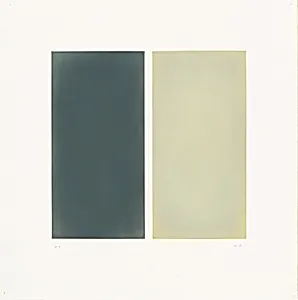
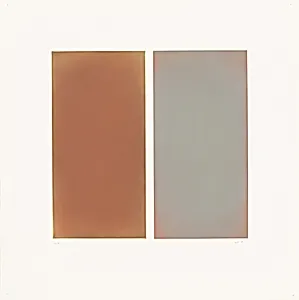
![False Iris [working proof 4]](https://images.artheonmuseum.org/nga/thumb/false-iris-working-proof-4-nga-230023.webp)
![False Iris [working proof 3]](https://images.artheonmuseum.org/nga/thumb/false-iris-working-proof-3-nga-230022.webp)