Ctrl K
1867–1944
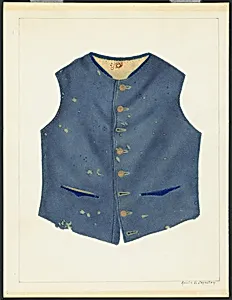
Annie B. Johnston was an American artist active in the late 1930s, recognized for her contributions to the Index of American Design, the New Deal-era federal program that commissioned artists to create meticulous watercolor renderings of American folk and decorative arts objects. Working in watercolor, colored pencil, graphite, and pen and ink on paper, Johnston brought technical precision and sensitivity to her documentation of the domestic material culture of earlier American life.
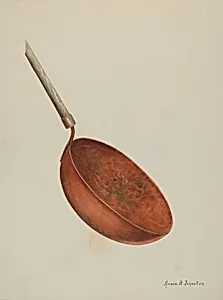
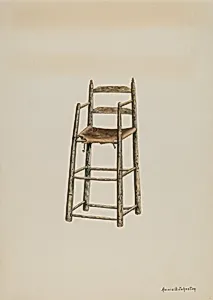
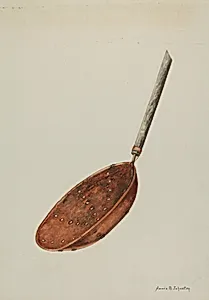
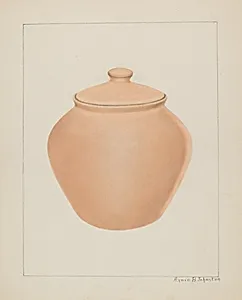
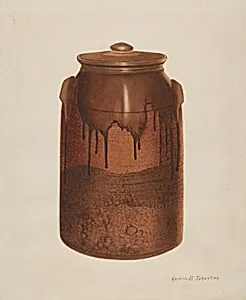
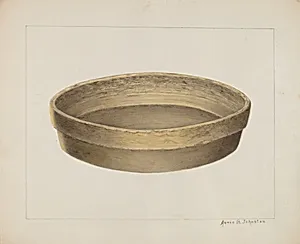
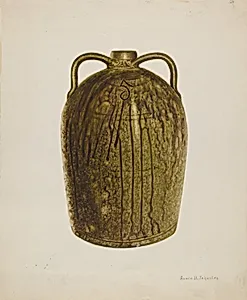
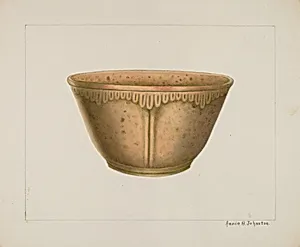
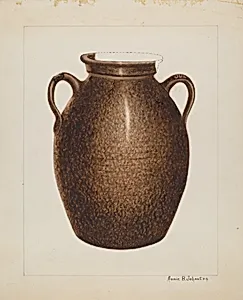
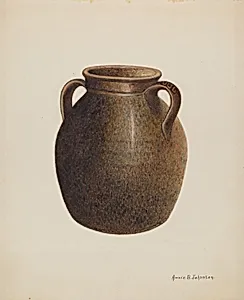
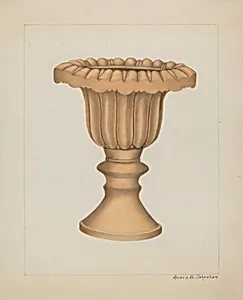
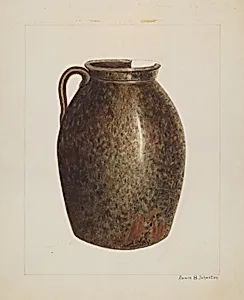
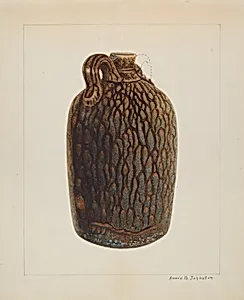
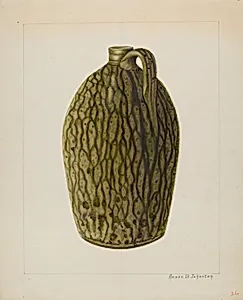
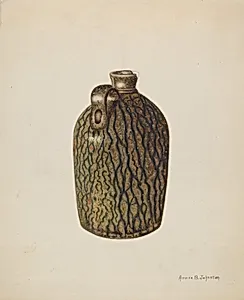
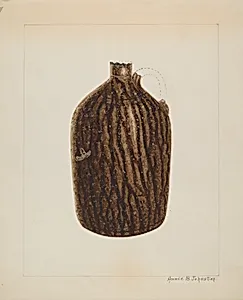
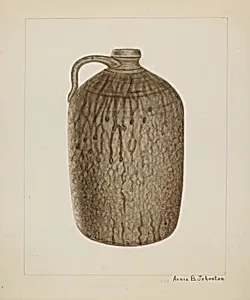
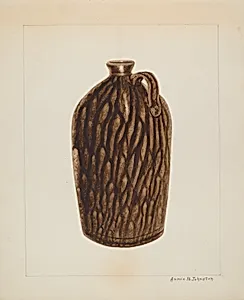
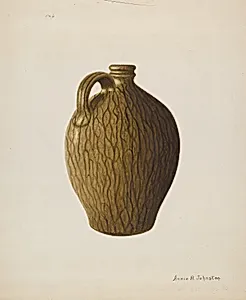
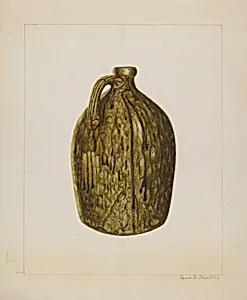
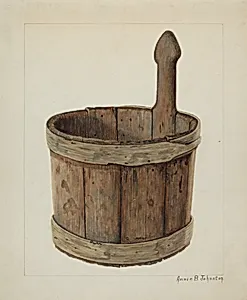
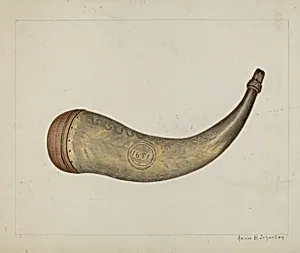
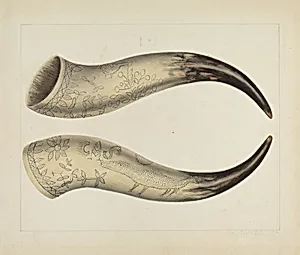
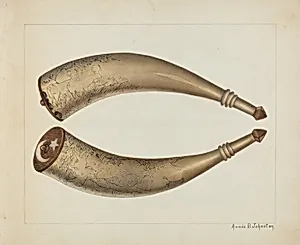
Her surviving works, held in the collection of the National Gallery of Art, include renderings of objects such as a Ladder Back Chair, a Copper Sugar Strainer, and a Stoneware Jar, all dating to approximately 1938 and 1939. These pieces reflect the Index's guiding standard of documentary fidelity: each rendering was expected to convey the construction, materials, color, and texture of the original object with sufficient accuracy to substitute for direct examination. Johnston's use of mixed media — layering watercolor with pencil and ink — allowed her to achieve both the broad tonal washes and the fine surface detail that such precision demanded.
The Index of American Design was administered through the Federal Art Project of the Works Progress Administration and employed roughly 1,000 artists across 34 states during the Depression years. The project was motivated by a desire to identify a distinctly American aesthetic tradition rooted in colonial and vernacular craftsmanship, and its artists documented objects from the early colonial period through 1900. The National Gallery of Art has held the full collection of more than 18,000 renderings since 1943.
While biographical details about Johnston's life and training remain limited in the public record, the care and skill evident in her Index contributions mark her as a capable practitioner of observational draftsmanship. Her work stands as part of a collective achievement in cultural documentation that continues to serve historians, curators, and designers today.