Ctrl K
1800–1900
**The artist known as Anonymous, Alsatian, 19th century** remains unidentified by name, with no documented details of birth, family, training, or personal life. All known works are attributed solely through their style, medium, and provenance to an Alsatian creator active in the mid-19th century, particularly around 1840 in Mulhouse (then a key hub of textile manufacturing in the Haut-Rhin region of France).
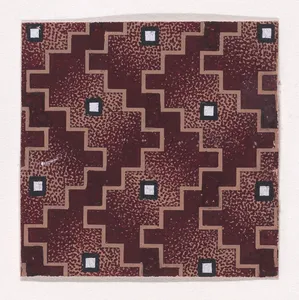
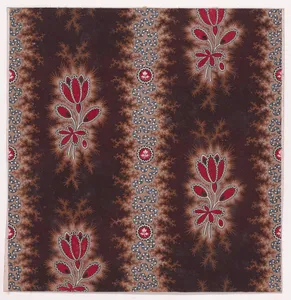
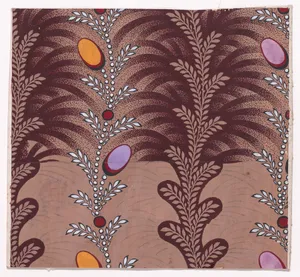
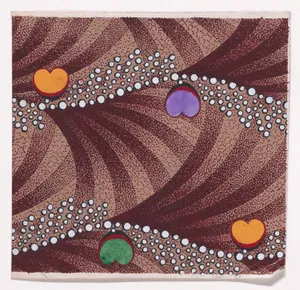
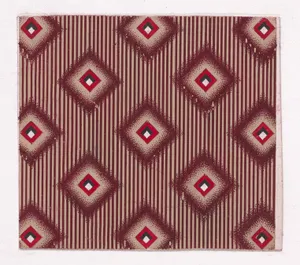
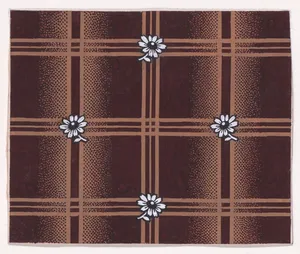
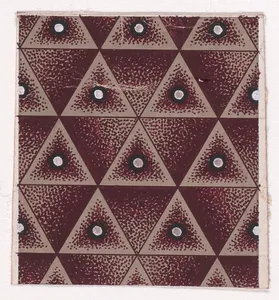
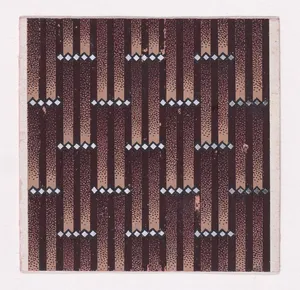
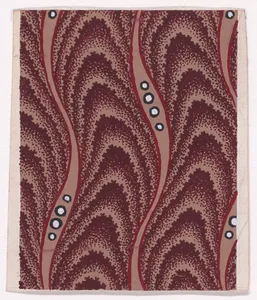
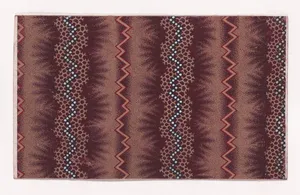
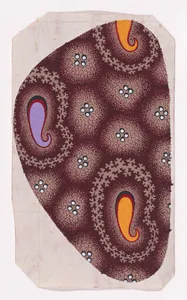
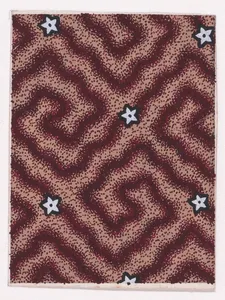
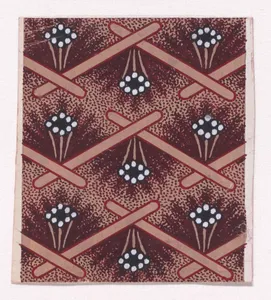
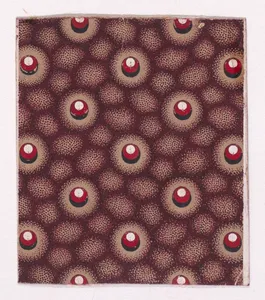
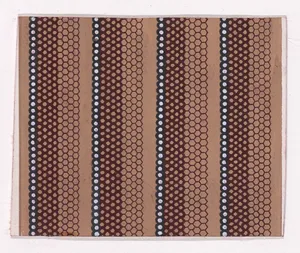
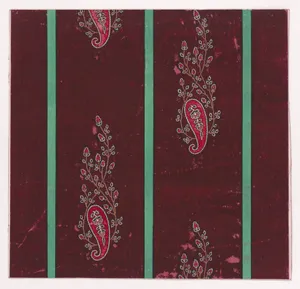
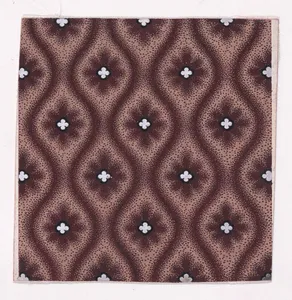
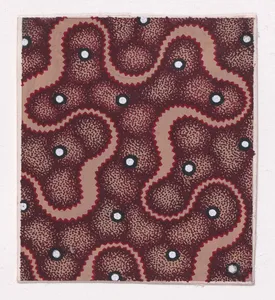
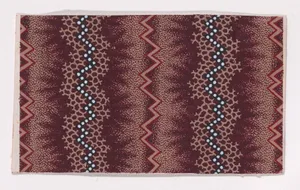
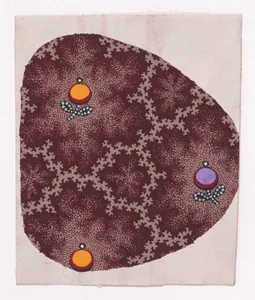
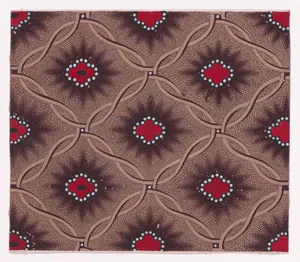
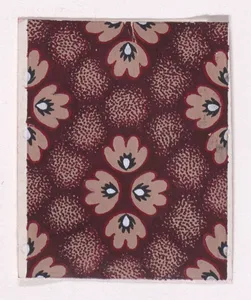
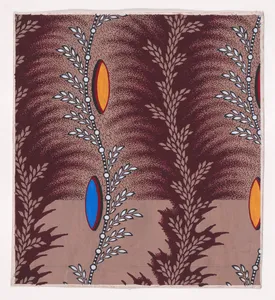
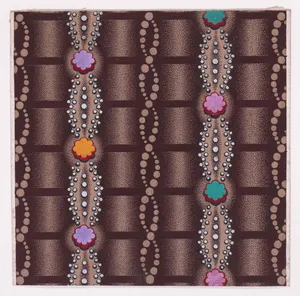
This anonymous figure worked firmly within the Alsatian tradition of textile design, producing gouache drawings intended as patterns for printed cotton fabrics. The designs feature inventive, repeating motifs—vertical strips of stippled clouds interspersed with bordered circles, chevron bases, zigzagging ribbons accented with pearls, rosettes, abstract palmettes, stylized leaves, flowers, and overlapping scales—reflecting both the technical demands of industrial printing and the decorative tastes of the period.
The Metropolitan Museum of Art holds the largest known group of these works, a collection of approximately 180 gouache designs dated 1840 and originally created in Mulhouse. These small, precise sheets served as working models or presentation pieces for textile manufacturers, capturing the vibrant, patterned aesthetic that helped define Alsace’s prominent role in European fabric production during the Industrial Revolution.
Although the artist’s identity is lost, the surviving designs offer valuable insight into 19th-century Alsatian textile innovation and the anonymous artisans who shaped everyday visual culture. Their legacy endures in museum collections, where the patterns continue to inform studies of historic textiles, fashion, and decorative arts, preserving the creative output of a skilled but nameless contributor to one of France’s most important industrial traditions.