Ctrl K
1400–1500
The Anonymous Italian Florentine artist of the 15th century represents one of countless skilled painters active in Florence during the dawn of the Renaissance, a period when the city emerged as the epicenter of Western art. Little is known about this artist's personal life, training, or identity, as early records from 1400–1500 often omitted names of workshop assistants or lesser-known masters. Florence's vibrant guilds and workshops, however, provided fertile ground for anonymous talents, where painters honed their craft amid the patronage of wealthy merchants, the Medici family, and the Church.
Working squarely in the Florentine school tradition, this artist contributed to the naturalistic style pioneered by Giotto di Bondone in the 14th century and advanced in the 15th by innovators like Masaccio, Filippo Brunelleschi, and Donatello. Florentine painting of this era emphasized linear perspective, anatomical precision, and emotional depth, as seen in the shift from International Gothic to the High Renaissance. Compositions often featured balanced figures in architectural settings, with a focus on light, volume, and humanism—hallmarks that influenced masters such as Fra Angelico, Sandro Botticelli, and Masaccio. This anonymous painter's style aligns with these developments, reflecting the school's emphasis on scientific observation and classical revival.
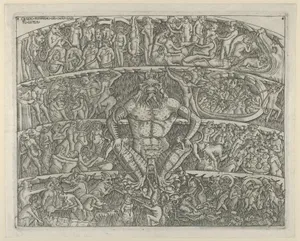
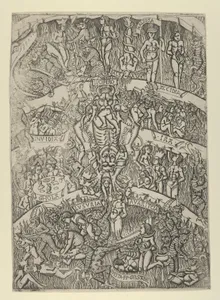
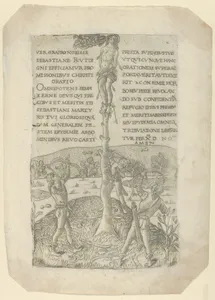
Among known works attributed to this artist is a single piece in the museum's collection, exemplifying mid-15th-century Florentine techniques through its meticulous detail and spatial clarity. Such attributions highlight the collaborative nature of Renaissance workshops, where anonymous hands executed commissions for altarpieces, predellas, and devotional panels. Though specifics remain elusive, this artist's output underscores the breadth of talent fueling Florence's artistic revolution, paving the way for giants like Michelangelo and Raphael, who later drew from these foundations. Today, such anonymous works offer invaluable insights into the period's stylistic evolution and the unsung labor behind the Renaissance's enduring legacy.