Ctrl K
1758–1860
**Ansbach Pottery and Porcelain Manufactory** was a prominent German ceramics producer established in 1758 in Ansbach (then part of the Margraviate of Brandenburg-Ansbach) by Margrave Charles Alexander (also known as Christian Frédéric Charles-Alexandre). As a state-supported enterprise under the Margrave’s patronage, the factory quickly became known for its high-quality hard-paste porcelain, reflecting the broader European enthusiasm for this material following the success of Meissen.
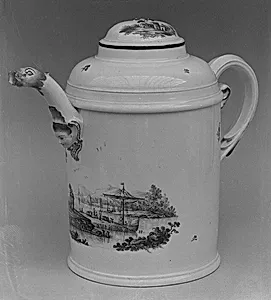
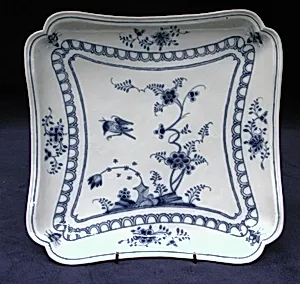
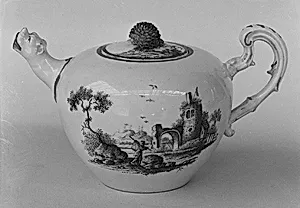
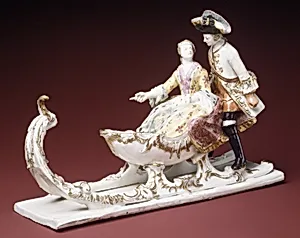
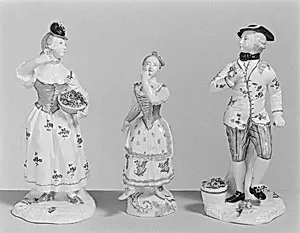
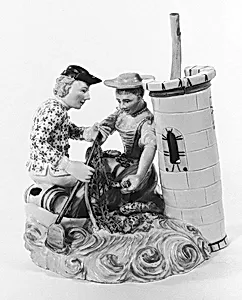
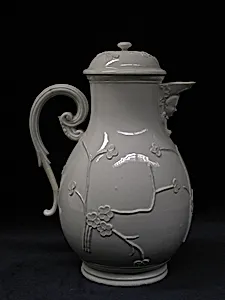
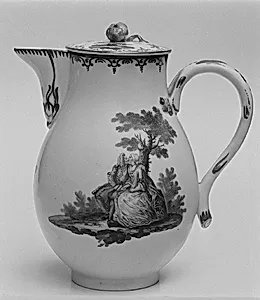
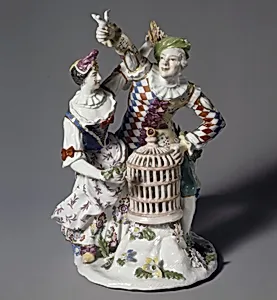
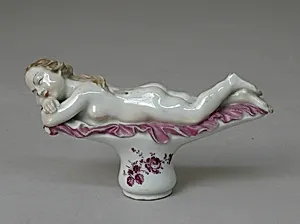
The manufactory specialized in elegant tableware—including coffee pots, teapots, plates, cups, saucers, and milk pots—as well as decorative objects such as cane handles and figurative pieces. Its products often featured delicate polychrome enamels, gilding, and refined modeling, with some items decorated in The Hague or bearing the influence of contemporary Rococo and Neoclassical tastes. Production flourished through the late eighteenth century, with modelers such as Laut and Scherber and decorators like Johann Melchior Schölhammer contributing to distinctive output.
Although the factory’s most celebrated period was the eighteenth century, it continued operations into the nineteenth, aligning with the given dates of 1758–1860. Examples of its work are preserved in major institutions worldwide, including the British Museum, the Victoria and Albert Museum (which holds twenty-two pieces), the Metropolitan Museum of Art, and the Art Institute of Chicago.
Today the Ansbach manufactory is remembered as an important regional contributor to German porcelain traditions, its surviving objects valued for their technical refinement and historical connection to the court of the last Margrave of Ansbach. Its legacy endures through these museum collections, which continue to illuminate eighteenth- and early nineteenth-century European ceramic production.