Ctrl K
The Antiphon Painter was an ancient Athenian vase painter active in the early fifth century BCE, during the red-figure period of Greek pottery — one of the most celebrated chapters in the history of ancient art. Like many vase painters of antiquity, this artist is known not by a personal name recorded in historical documents, but by a scholarly convention: the name Antiphon Painter was assigned by the art historian John Beazley, who in the twentieth century undertook the monumental task of attributing Athenian red-figure pottery to individual hands on the basis of stylistic analysis.
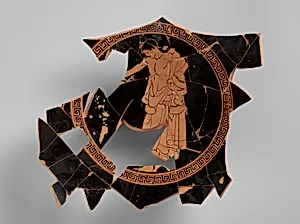
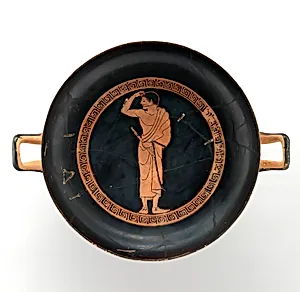
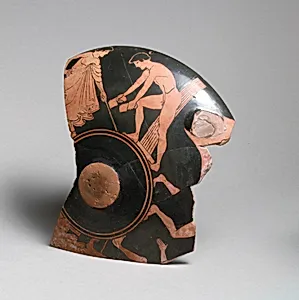
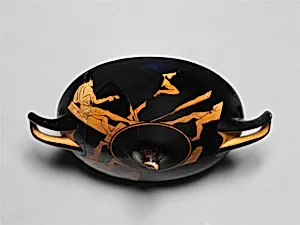
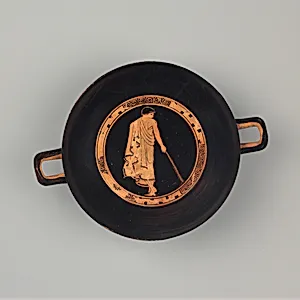
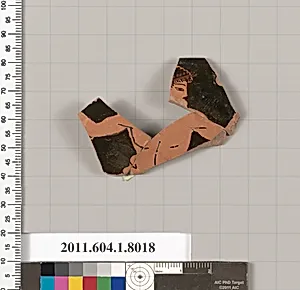
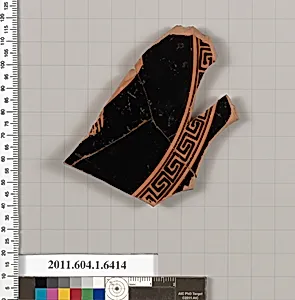
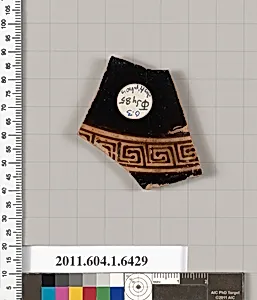
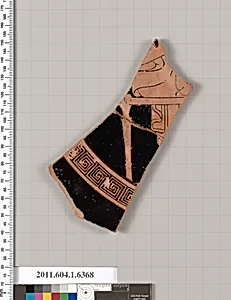
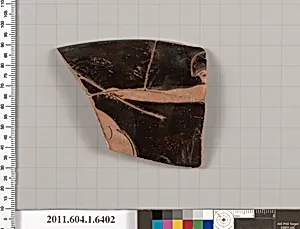
The red-figure technique, in which figures are reserved in the natural reddish clay of the pot against a black-glazed background, allowed painters to render human and divine forms with a freedom and anatomical sophistication that the earlier black-figure technique could not achieve. The Antiphon Painter worked within this tradition and is associated primarily with cups — the shallow, two-handled drinking vessels that were central to the symposium culture of ancient Athens. His figures are characterized by an elegant, somewhat reserved draftsmanship that reflects the refined aesthetic standards of the early Classical period.
The subjects he depicted draw from the rich repertoire of Greek mythology and daily life that animated Athenian vase painting: athletic competitions, scenes of the symposium, mythological narratives involving gods and heroes, and the rituals of civic and religious life. These images were not merely decorative but served as vehicles for the visual communication of the values, stories, and social practices that defined Athenian culture.
The works attributed to the Antiphon Painter are held in major museum collections across Europe and North America, and they continue to be studied by scholars of ancient art as important evidence for the development of drawing and figure style in the critical decades around 500 BCE, when Greek art was undergoing the transformation from archaic convention to classical naturalism.