Ctrl K
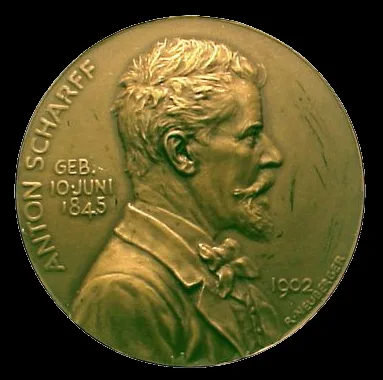
1845–1903
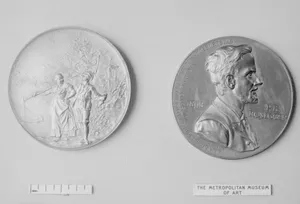
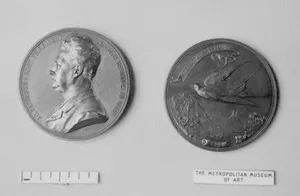
Anton Scharff (1845–1903) was one of the foremost medallists and engravers of nineteenth-century Austria, whose precision, formal elegance, and prolific output earned him an international reputation. Born in Vienna, he received his training at the Imperial Mint and the Vienna Academy of Fine Arts, absorbing the rigorous technical traditions of Central European medal-making while also engaging with the neoclassical ideals that dominated official artistic culture during the Habsburg era.
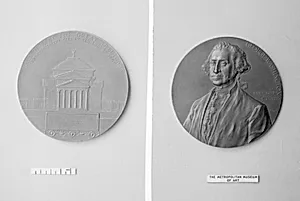
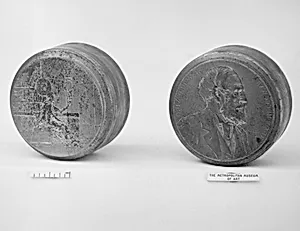
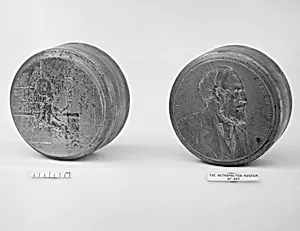
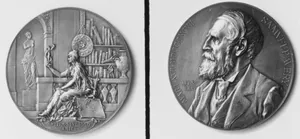
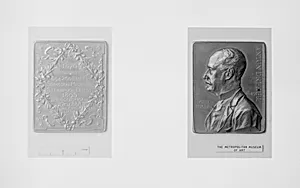
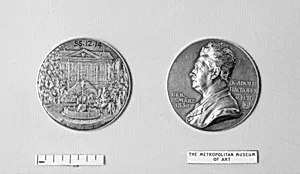
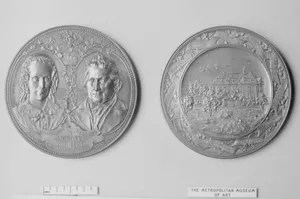
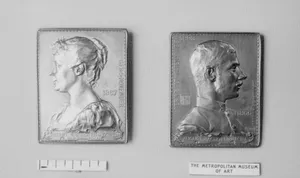
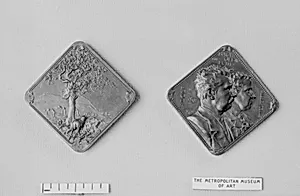
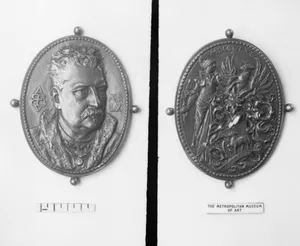
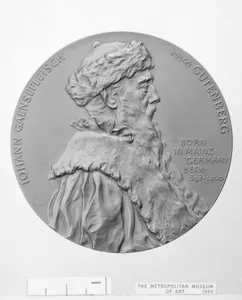
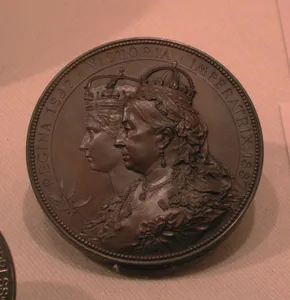
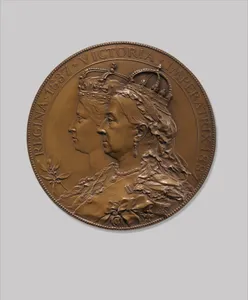
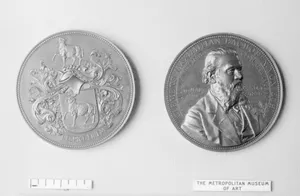
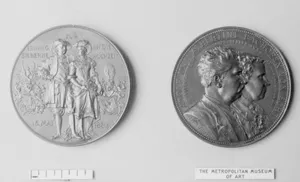
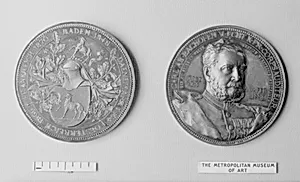
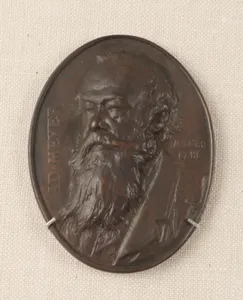
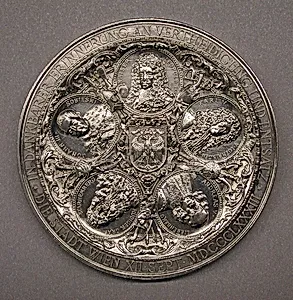
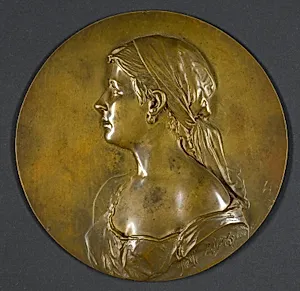
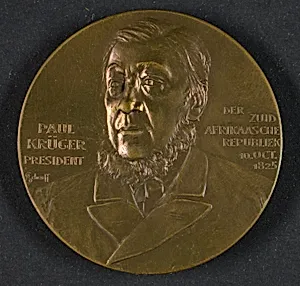
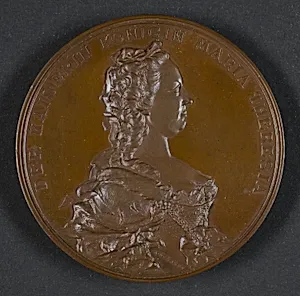
Scharff rose steadily through the ranks of the imperial artistic establishment, eventually becoming chief engraver at the Vienna Mint. In this capacity he was responsible for designing the dies for Austrian coinage as well as an enormous number of commemorative medals marking state occasions, royal anniversaries, scientific achievements, and cultural events. His portrait medals are particularly celebrated: rendered with extraordinary fidelity and psychological acuity, they constitute a gallery of the distinguished figures of late nineteenth-century European intellectual and political life.
His mastery extended to allegorical and decorative subjects as well. Scharff could move fluently between the intimate scale of a portrait medallion and the more ambitious demands of prize medals and official seals, always maintaining the fine, controlled line work and subtle modelling that defined his style. He exhibited widely across Europe and was recognized with awards and memberships in leading academies, cementing his status as a premier figure in the art of the medal during the height of the historicist period.
Scharff's legacy endures in numismatic collections and decorative arts museums throughout Europe. His work influenced a generation of Austrian and Central European medallists, and his portrait medals remain primary historical documents — beautifully crafted records of an era when the struck medal was still a principal medium for official commemoration and artistic expression.