Ctrl K
1500–1560
Occupations
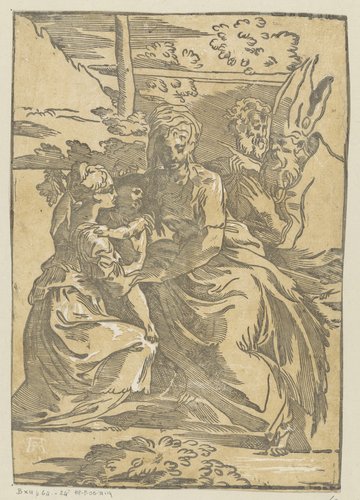
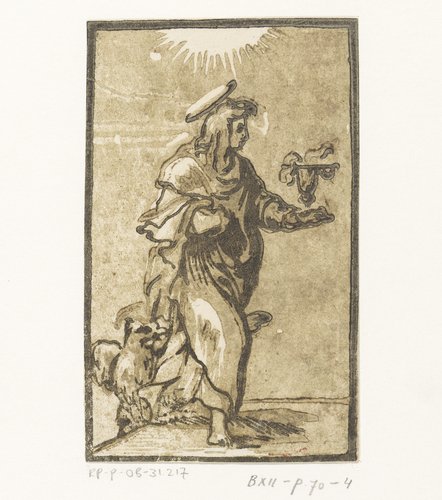
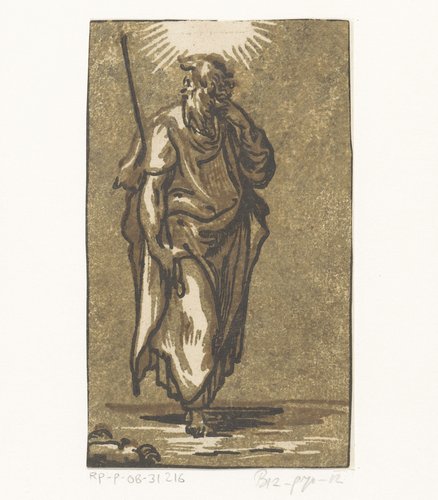
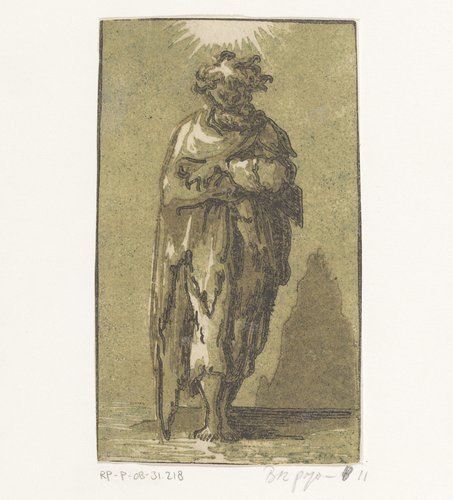
Antonio da Trento (c. 1508–1550) was an Italian printmaker who specialized in chiaroscuro woodcuts, a sophisticated printing technique that used multiple woodblocks to create images with tonal depth and atmospheric effects. Working during the height of the Italian Renaissance, Antonio was one of a small group of master printmakers—including Ugo da Carpi, Niccolò Vicentino, and Nicolò Boldrini—who advanced the chiaroscuro woodcut to unprecedented levels of technical and artistic sophistication. His most significant professional relationship was his collaboration with the Mannerist painter Parmigianino, for whom Antonio created some of the finest chiaroscuro woodcuts of the sixteenth century, translating the artist's elegant, elongated figures and sophisticated compositions into prints of remarkable subtlety and beauty.
Antonio da Trento was born around 1508 in the northern Italian city of Trento (Trent), from which he took his name. Little is known about his early life or initial training, but evidence suggests he learned wood engraving from Ugo da Carpi (c. 1480–1532), one of the pioneers and greatest masters of the chiaroscuro woodcut technique. Ugo da Carpi had claimed to have invented the chiaroscuro woodcut process and received a copyright for the technique from the Venetian Senate in 1516, though the technique may have been developed simultaneously by others.
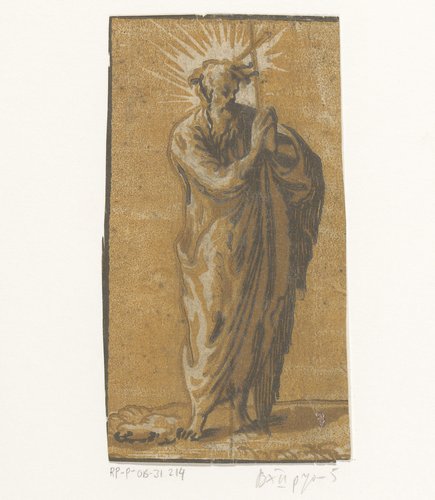
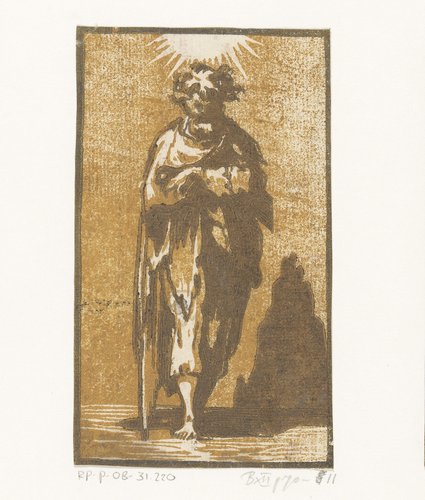
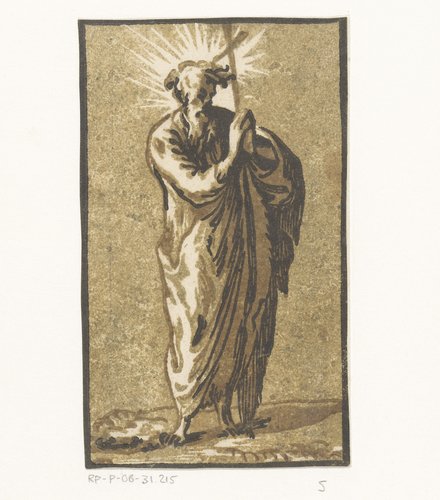
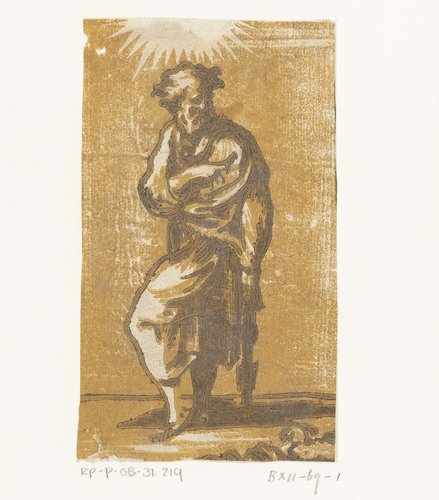
The chiaroscuro woodcut was a sophisticated printing method that used multiple woodblocks—typically three—printed in succession to create images with tonal gradation and atmospheric depth. The first block (the 'line block') printed the outlines and main linear elements, usually in dark ink. The second block printed intermediate tones, and the third block printed lighter tints. By carefully registering these blocks so they aligned precisely, printers could create images that approximated the tonal range of drawings executed in multiple colors of chalk or wash on tinted paper. This technique allowed for effects of light, shadow, and three-dimensional modeling impossible to achieve with single-block printing.
Under Ugo da Carpi's instruction, Antonio mastered both the technical challenges of cutting multiple blocks with precise registration and the aesthetic judgment required to translate designs effectively into this medium. The training required understanding not only woodcutting technique but also the principles of light and shadow, tonal gradation, and how to simplify complex compositions into the limited tonal ranges the process allowed.
The defining period of Antonio's career began in 1527 when the painter Francesco Mazzola, known as Parmigianino (1503–1540), arrived in Bologna fleeing the Sack of Rome. According to Giorgio Vasari's account in his 'Lives of the Artists,' Parmigianino retained Antonio to instruct him in the cutting of two- and three-block chiaroscuro prints. However, this description reverses the actual relationship: rather than Antonio teaching Parmigianino printmaking, Parmigianino provided Antonio with designs to translate into chiaroscuro woodcuts.
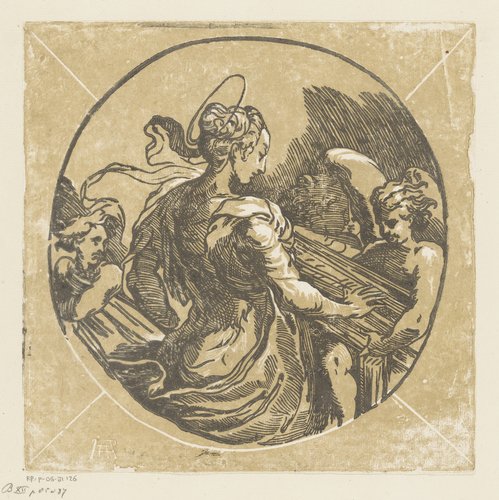
The collaboration between painter and printmaker proved extraordinarily productive and artistically significant. Parmigianino's sophisticated Mannerist compositions—characterized by elongated figures, elegant poses, complex spatial arrangements, and refined draftsmanship—required a printmaker of exceptional skill to translate effectively into woodcuts. Antonio proved equal to the challenge, creating chiaroscuro woodcuts that captured the subtlety and refinement of Parmigianino's drawings.
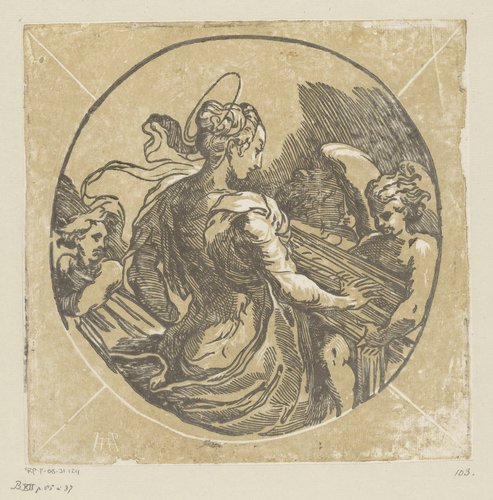
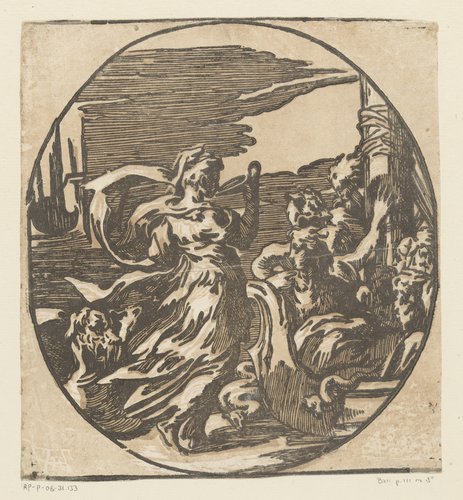
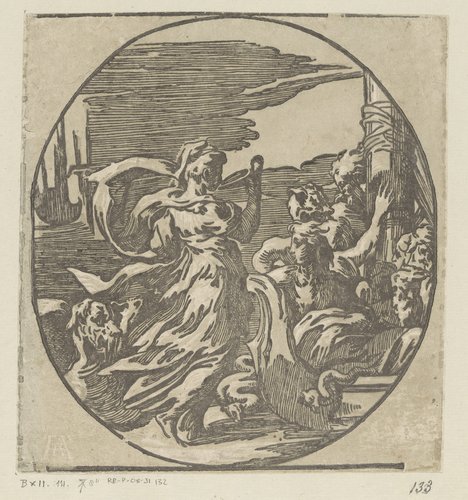
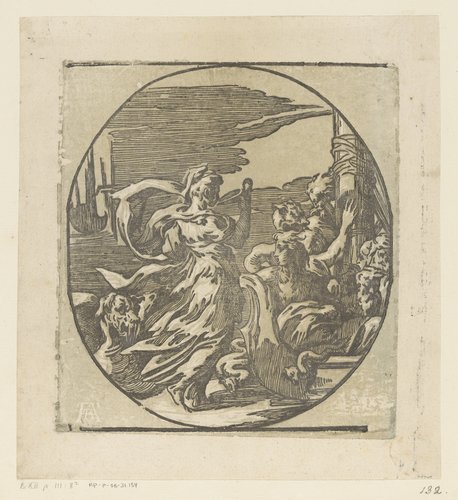
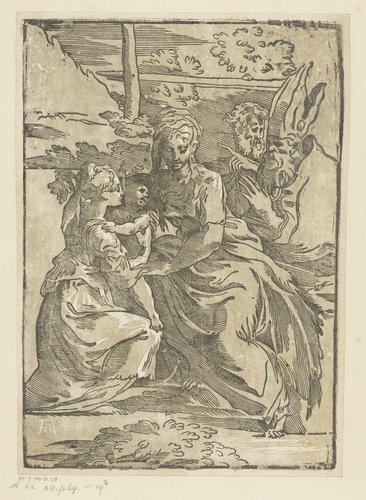
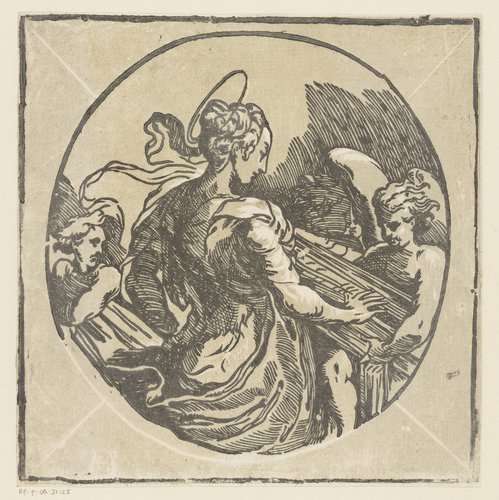
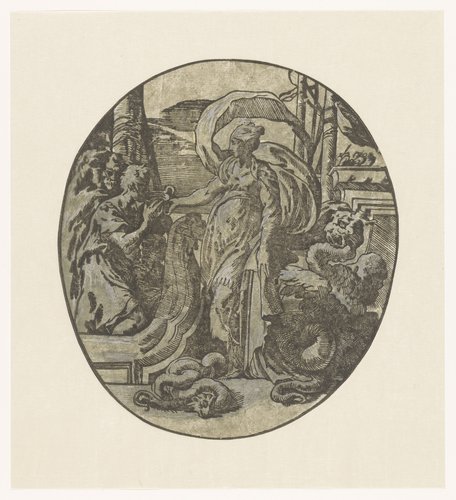
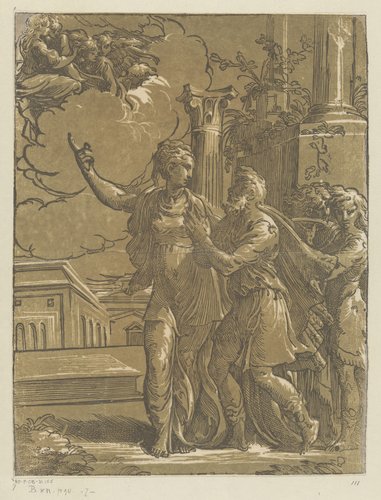
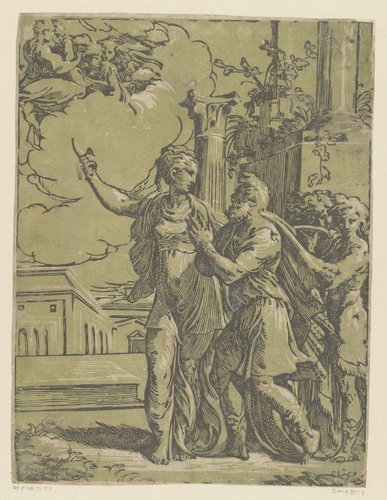
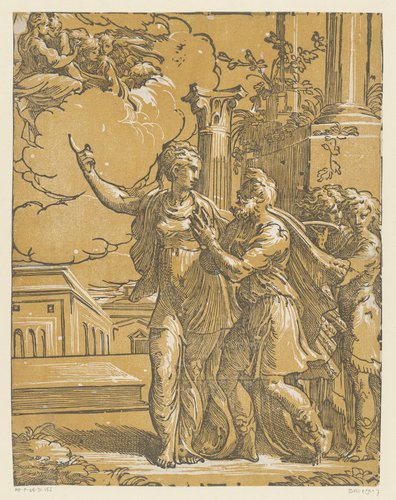
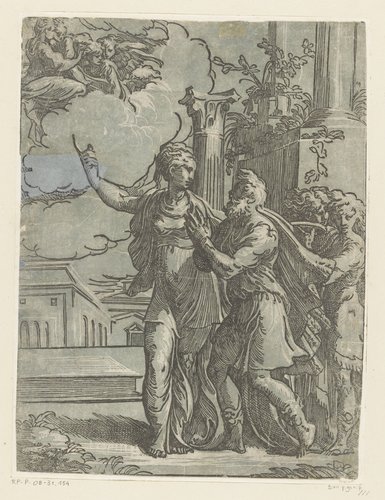
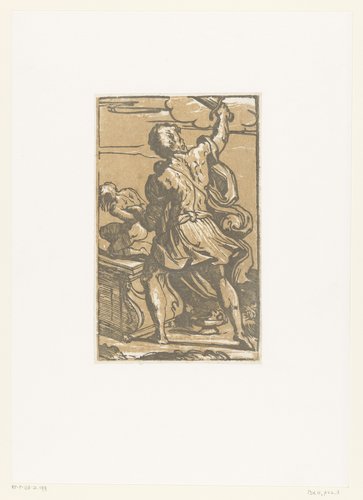
Of the six documented chiaroscuro woodcuts by Antonio, five are after designs by Parmigianino, and all demonstrate skillfully controlled two-block technique. Rather than using three blocks, Antonio achieved remarkable tonal subtlety with just two: the line block and a single tone block. This restraint actually enhanced the prints' effectiveness, creating images of clarity and elegance that avoided the sometimes muddy or overworked appearance that could result from three-block printing.
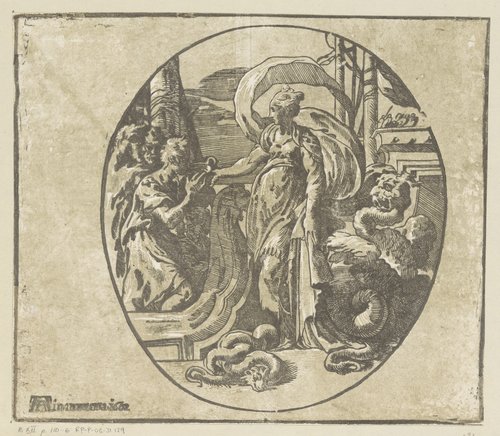
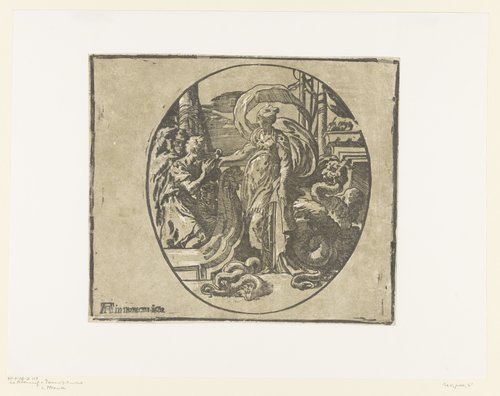
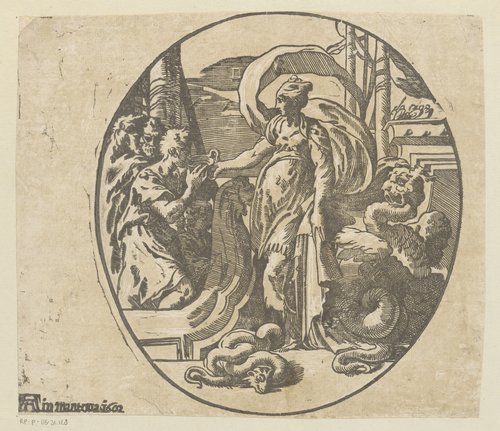
The collaboration produced several masterpieces of Renaissance printmaking, including 'The Beheading of St. Peter and St. Paul,' 'The Tiburtine Sibyl Showing the Virgin Mary with the Infant Christ to Augustus,' and 'Psyche Saluted by the People with the Honors of Divinity.' Each of these works demonstrates Antonio's ability to preserve the grace and sophistication of Parmigianino's original designs while exploiting the unique aesthetic qualities of the chiaroscuro woodcut medium.
The circumstances of Antonio's later career remain somewhat obscure. Evidence suggests the relationship with Parmigianino ended badly; according to some accounts, Antonio stole drawings from Parmigianino and fled, though the details and reliability of these stories remain questionable. What is clear is that the documented collaboration between artist and printmaker did not continue beyond the early 1530s.
Antonio continued working as a printmaker, though documentation of his later production is limited. His known works represent only a fraction of what he probably produced, as was typical for Renaissance printmakers whose output was often poorly documented and whose prints, being relatively affordable and widely distributed, were used and discarded rather than carefully preserved.
The artistic significance of Antonio's work lies primarily in his contribution to advancing the chiaroscuro woodcut technique. His prints after Parmigianino demonstrate that chiaroscuro woodcuts could successfully translate the most sophisticated Renaissance draftsmanship and compositional complexity. His controlled two-block technique, in particular, showed that restraint and refinement could be more effective than technical elaboration. Among Italian chiaroscuro woodcuts, Antonio's 'Martyrdom of Two Saints' is recognized as among the finest examples of the genre, demonstrating exceptional technical control and aesthetic judgment.
Antonio da Trento died around 1550, leaving a relatively small but significant body of work. While he never achieved the fame of painters or even some other printmakers, his collaboration with Parmigianino produced some of the sixteenth century's most refined and beautiful prints, demonstrating the heights to which the chiaroscuro woodcut technique could be raised in skilled hands.
Artheon Research Team
Last updated: 2025-11-09
Biography length: ~857 words
Wikidata/Wikimedia Commons