1919–2013
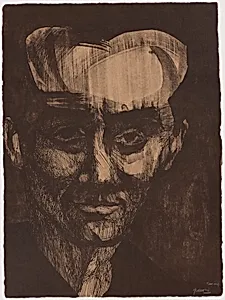
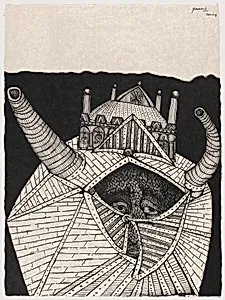
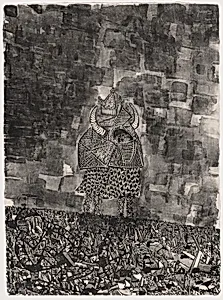
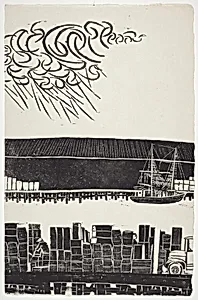
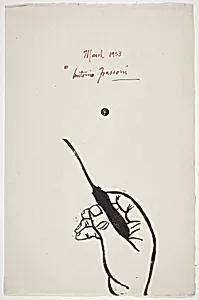
Antonio Frasconi (1919–2013) was a Uruguayan-American artist renowned for his masterful woodcuts, which blended bold graphic power with poignant social commentary. Born on April 28, 1919, aboard a ship between Argentina and Uruguay to Italian immigrant parents, he was raised in poverty in Montevideo, Uruguay, where his mother worked as a seamstress and restaurant manager to support him and his two sisters. By age twelve, after briefly attending the Círculo de Bellas Artes—which he abandoned—he apprenticed at a local print shop, honing his skills in printing and caricature while drawing inspiration from masters like Gustave Doré, Francisco Goya, and Paul Gauguin. In 1945, with a scholarship from the Art Students League, Frasconi immigrated to the United States, initially laboring as a gardener and museum guard in Santa Barbara before settling in New York.
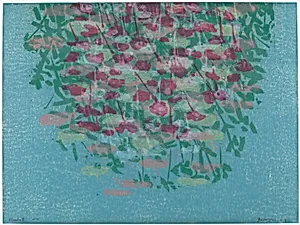
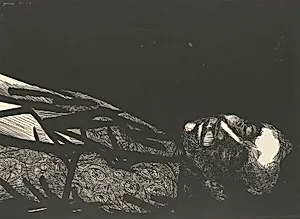
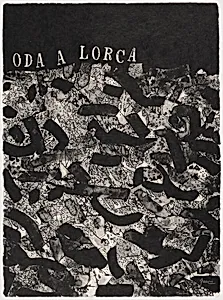
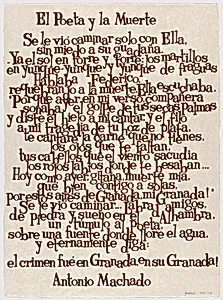
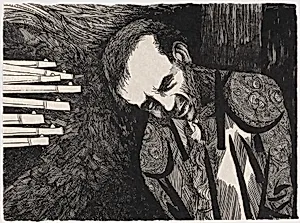
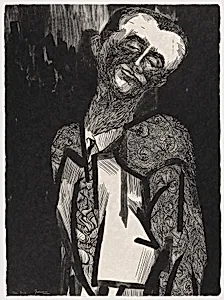
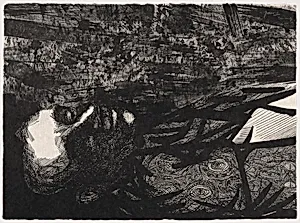
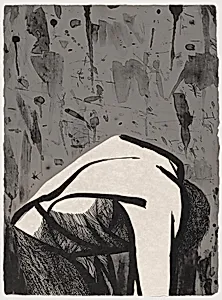
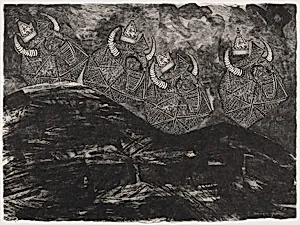
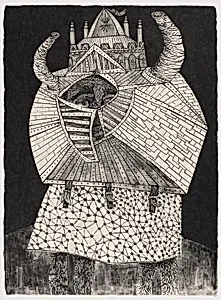
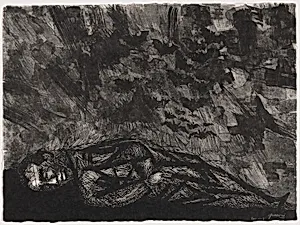
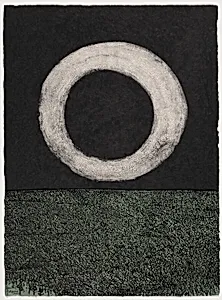
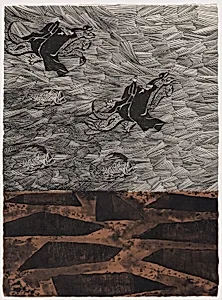
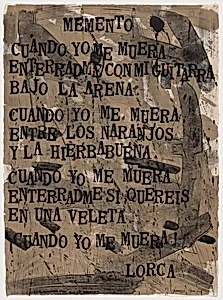
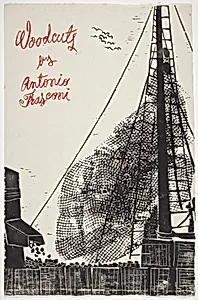
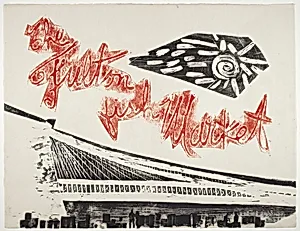
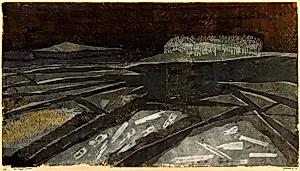
Frasconi's artistic style rooted in expressive woodcuts, often executed on scavenged beach wood, emphasized stark contrasts, multilingual texts, and themes of human suffering, war, racism, and political oppression—aligning him with social realist traditions. His oeuvre includes over 3,000 prints and 100 books, among them innovative children's titles like *See and Say: A Picture Book in Four Languages* (1955), *The House That Jack Built / La Maison Que Jacques A Bâtie* (1958, Caldecott Honor), and *The Snow and the Sun* (1962), alongside adult works such as *A Whitman Portrait* (1960), Pablo Neruda's *Bestiary / Bestiario* (1965), and his monumental series *Los Desaparecidos* (1981–1986), honoring victims of Uruguay's military dictatorship. These pieces, produced in small editions or as artist's books, promoted intercultural dialogue and memory.
In 1951, Frasconi married artist Leona Pierce; their sons, Pablo and Miguel, inspired family-themed works and carried forward his legacy—Pablo contributing music to *Los Desaparecidos*. A Guggenheim Fellow in 1952, he represented Uruguay at the 1968 Venice Biennale, taught as Distinguished Professor at SUNY Purchase, and exhibited globally, with holdings in the Metropolitan Museum, MoMA, and National Gallery of Art. Frasconi's enduring influence lies in revitalizing woodcuts as a vehicle for empathy and activism, mentoring generations while illuminating the human condition through raw, unflinching imagery. His Norwalk, Connecticut, studio—built in 1957—remains a testament to a life devoted to printmaking's democratic power.