Ctrl K
1861–1944
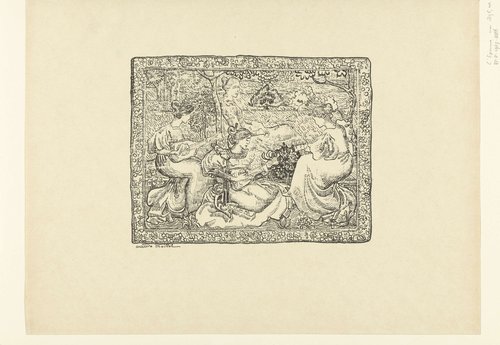
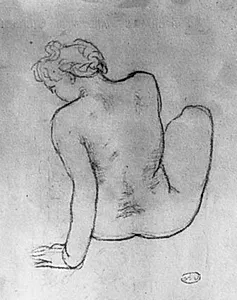
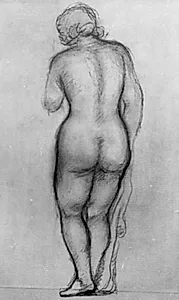
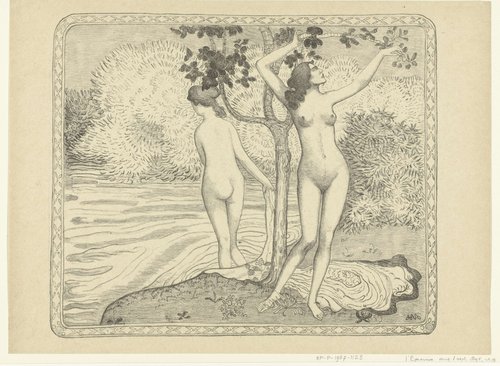
Aristide Maillol (1861–1944) was a French sculptor, painter, and printmaker born in the coastal village of Banyuls-sur-Mer in Roussillon. From a young age, he aspired to be an artist, moving to Paris in 1881 despite living in poverty. He studied at the École des Arts Décoratifs in 1883 and was accepted into the prestigious École des Beaux-Arts in 1885, where he trained under the academic masters Jean-Léon Gérôme and Alexandre Cabanel. Though initially drawn to painting and influenced by Pierre Puvis de Chavannes, Paul Gauguin, and the Nabis group, deteriorating eyesight from intensive tapestry work—after opening his own workshop in 1893—prompted his shift to sculpture around 1895.
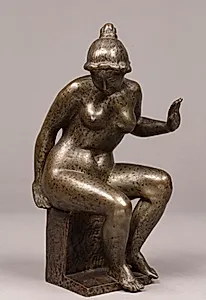
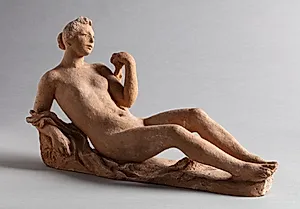
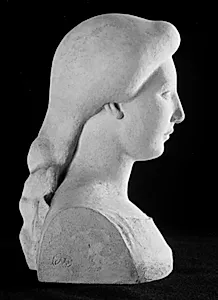
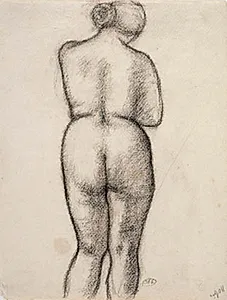
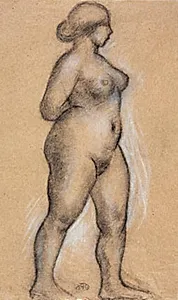
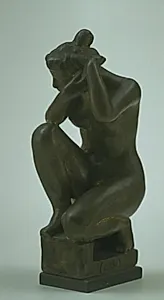
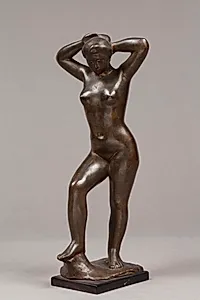
Maillol married Clotilde Narcisse in 1896, and their son Lucien was born that year; she served as the model for his early sculptures. He worked in the Nabis tradition early on but developed a distinctive serene classicism in sculpture, emphasizing monumental female nudes with smooth, volumetric forms inspired by ancient Greek and Roman ideals. Rejecting Auguste Rodin's emotional turbulence, Maillol prioritized mass, equilibrium, and purity of line, creating figures that evoked timeless harmony and architectural solidity.
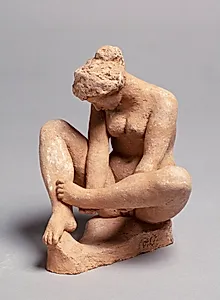
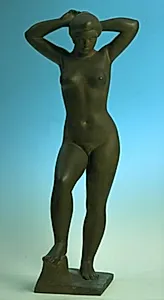
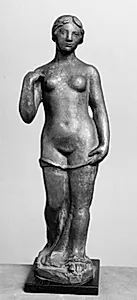
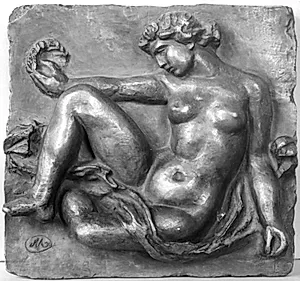
His breakthrough came with *La Méditerranée* (also known as *Seated Woman*, 1900–1905), a bronze nude embodying Mediterranean vitality, followed by *Night* (1902) and *Action in Chains* (1905). In his later years, with muse Dina Vierny as model, he produced masterpieces like *The Mountain* (1937), *La Rivière* (1938–1943) in the Tuileries Garden, *Air* (1938), and the unfinished *Harmony* (1944). These works, often commissioned as war memorials or public monuments, showcase reclining or dynamic female forms in lead or bronze.
Maillol's legacy endures as a bridge between classical sculpture and modernism, inspiring Henry Moore's abstractions, Picasso, Matisse, Constantin Brâncuși, and Jean Arp with his focus on organic form and restraint. His oeuvre set a standard for figurative sculpture through World War II, and Dina Vierny later founded the Musée Maillol in Paris to preserve his vision. Though he died in a car accident near his birthplace, Maillol's serene nudes continue to celebrate the enduring beauty of the human body.