Ctrl K
1762–1832
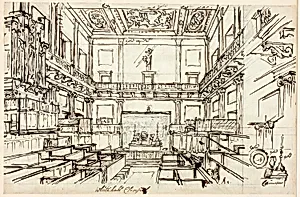
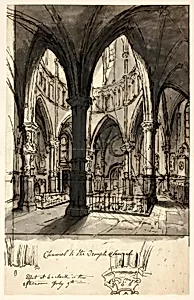
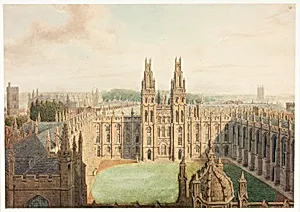
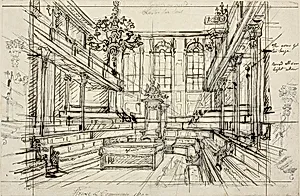
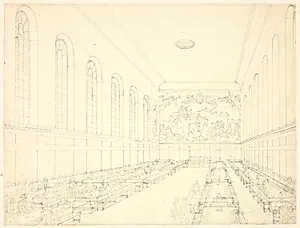
Augustus Charles Pugin (1762–1832) was a pioneering architectural draughtsman and engraver whose meticulous illustrations played a pivotal role in reviving interest in Britain's medieval Gothic heritage. Born in France, Pugin relocated to London around 1792, where he quickly established himself as a master of topographical and architectural rendering. Working primarily in engraving and watercolor, he captured the intricate details of historic buildings with unparalleled precision, blending technical accuracy with a romantic appreciation for the past. His adoption of the anglicized name "Augustus" reflected his seamless integration into the British art scene during a time of growing nationalistic fervor for native architectural styles.
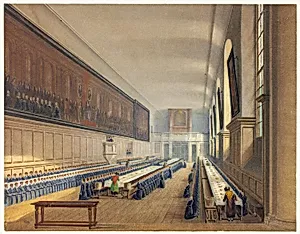
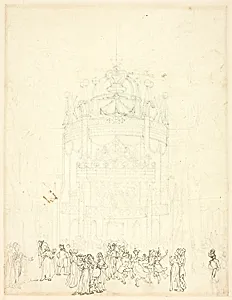
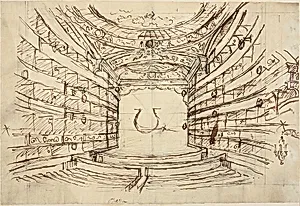
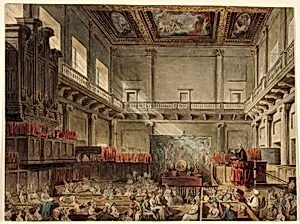
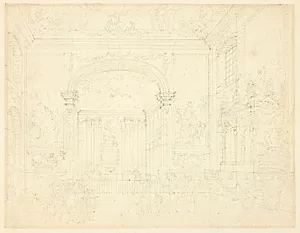
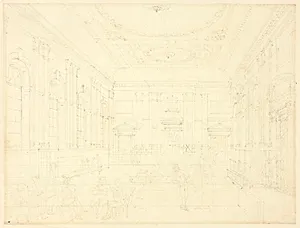
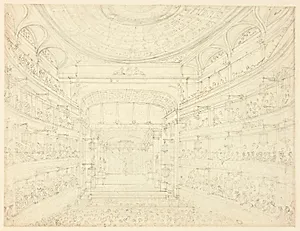
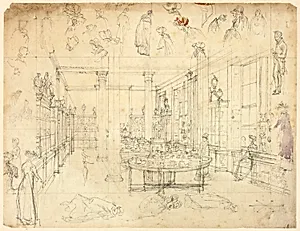
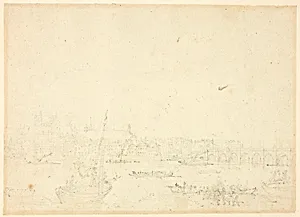
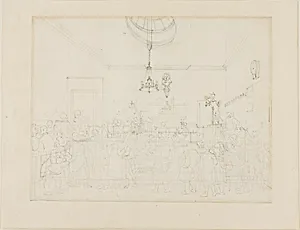
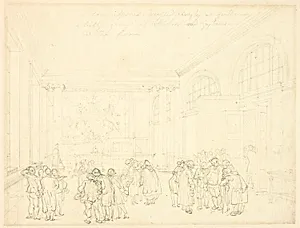
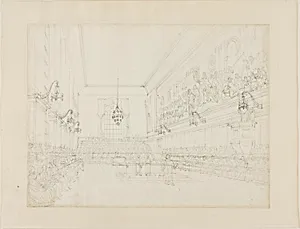
Pugin's career flourished through high-profile collaborations that showcased his expertise. He partnered with publisher Rudolf Ackermann on the landmark *Microcosm of London* (1808–1810), providing the architectural backdrops for Thomas Rowlandson's lively figure studies, which brought virtual tours of iconic sites like the Royal Exchange and Westminster Abbey to a wide audience. He also contributed to John Britton's *Architectural Antiquities of Great Britain* and produced his own seminal works, including *Specimens of Gothic Architecture* (1821–1831, later expanded with his son) and *Gothic Ornaments Selected from Various Ancient Buildings*. His style—characterized by fine-line engravings, subtle shading, and a focus on ornamental details—elevated architectural illustration from mere documentation to an art form, influencing engravers and architects alike.
Pugin's legacy endures as a catalyst for the Gothic Revival movement, which reshaped 19th-century British design under the influence of his son, the famed Augustus Welby Northmore Pugin. By disseminating accurate plates of cathedrals, castles, and ecclesiastical structures, he fueled a cultural rediscovery of pre-Renaissance architecture, paving the way for Victorian-era restorations and new Gothic-inspired buildings. With over 120 works in this virtual museum's collection, Pugin's engravings offer visitors a window into Regency-era fascination with the medieval sublime, reminding us how one artist's pen could resurrect a nation's architectural soul.
(Word count: 348)