Ctrl K
1909–1992
Austin L. Davison (1909–1992) was an American artist whose precise renderings captured the essence of early American folk art, particularly during his tenure with the Index of American Design (IAD), a Works Progress Administration (WPA) project launched amid the Great Depression. Little is known about his early life, which remains sparsely documented, though records associate him with New Jersey as a decorative designer, illustrator, and teacher. Davison contributed to the Pennsylvania Project within the IAD, where artists meticulously documented regional crafts from the colonial era through the 19th century, preserving utilitarian objects that reflected immigrant traditions before they faded from everyday use.
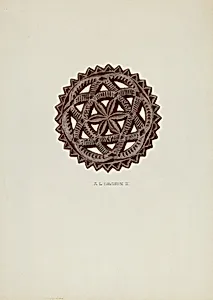
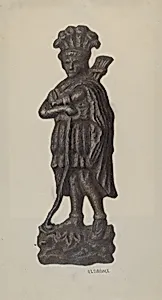
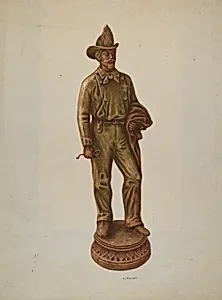
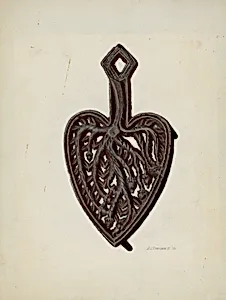
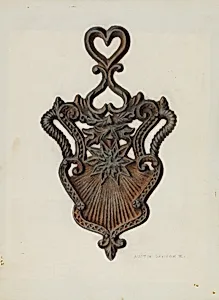
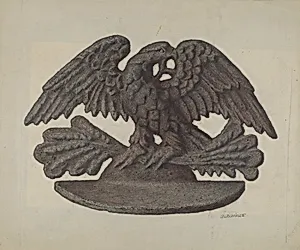
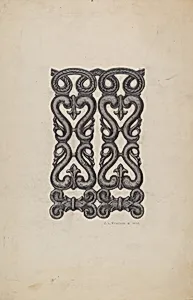
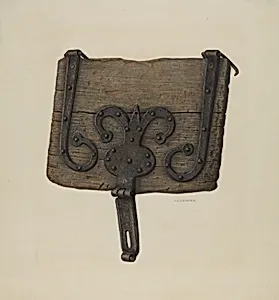
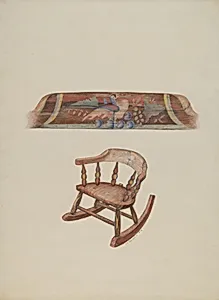
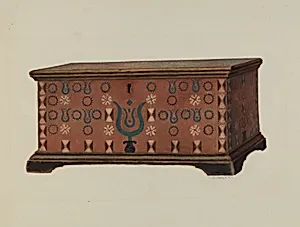
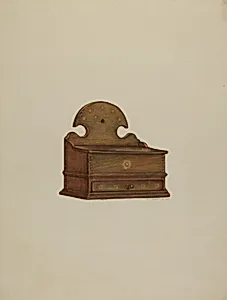
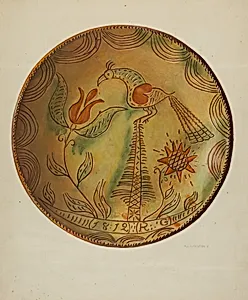
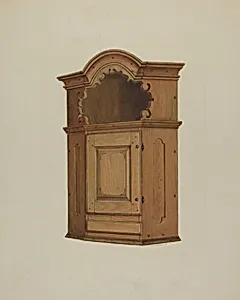
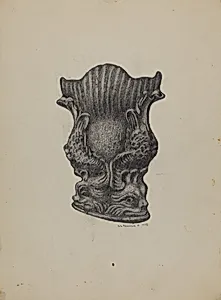
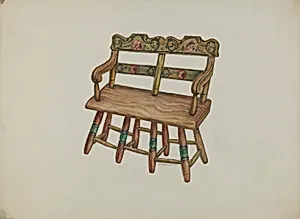
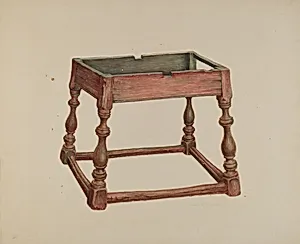
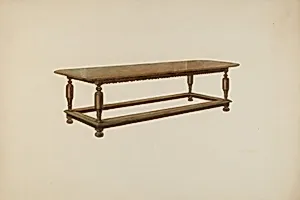
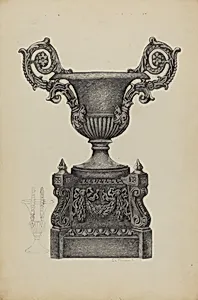
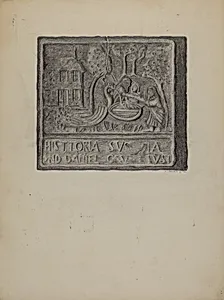
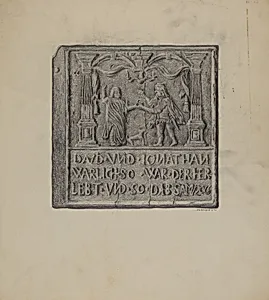
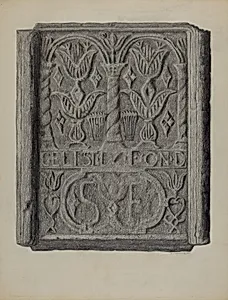
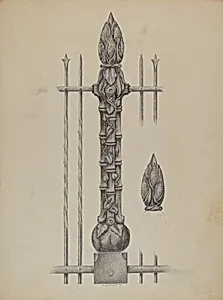
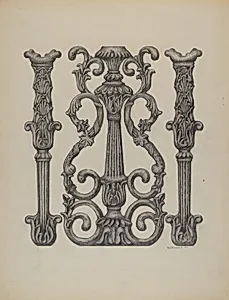
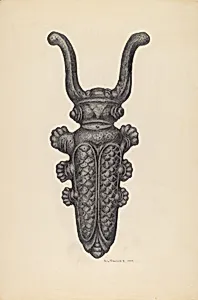
Working primarily between 1935 and 1942, Davison produced detailed watercolor, graphite, and colored pencil drawings on paper or paperboard, emphasizing the intricate forms, painted motifs, and ironwork of Pennsylvania German furniture and hardware. His style adhered to the IAD's documentary tradition—realistic and faithful to the originals, highlighting textures, ornamentation like tulip motifs and sgraffito patterns, and functional beauty in everyday items. Notable works include *Pa. German Wall Corner Cupboard* (1938), a vibrant depiction of carved and painted cabinetry; *Iron Stand* (1939), showcasing cast iron craftsmanship; *Refectory Table* (1938); and *Cast Iron Eagle* (c. 1937), among dozens of bootjacks, trivets, weather vanes, and stove plates that evoke rural American ingenuity.
Davison's oeuvre, comprising 47 pieces in the National Gallery of Art's collection, endures as a vital archive of America's material culture, bridging European peasant aesthetics with New World adaptations. By rendering these objects with scholarly precision, he helped foster national pride in folk traditions during economic hardship, influencing later studies in American decorative arts and ensuring that humble iron eagles and dowry chests remain touchstones of cultural heritage. Though his personal story fades into obscurity, Davison's technical mastery immortalizes the anonymous makers of early America.