Ctrl K

Baccarat Glassworks, founded in 1764 in the Lorraine village of Baccarat, France, emerged from a royal decree by King Louis XV granting Bishop Monseigneur de Montmorency-Laval permission to establish a glass factory. Leveraging abundant local driftwood from the Vosges forest and skilled craftsmen, the works initially produced soda glass for windows, mirrors, and everyday stemware, employing thousands by the early 19th century.) In 1816, the manufactory pioneered lead crystal production using a refined English technique adapted from nearby Saint-Louis, shifting focus to luxury goods under managers like engineer Jean-Baptiste Toussaint following a 1823 ownership change to partners including Pierre-Antoine Godard-Desmarest.) This marked Baccarat's ascent as a beacon of French crystal artistry, with its first royal commission from Louis XVIII that year cementing ties to European courts.
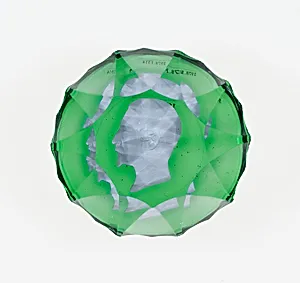
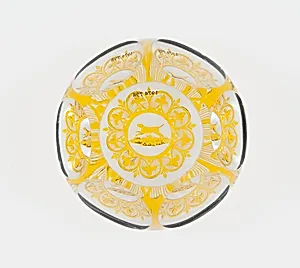
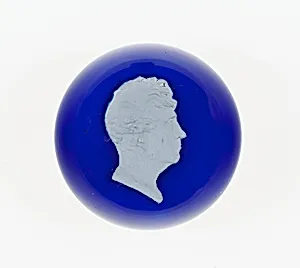
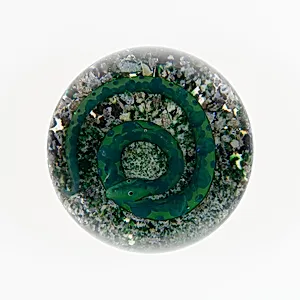
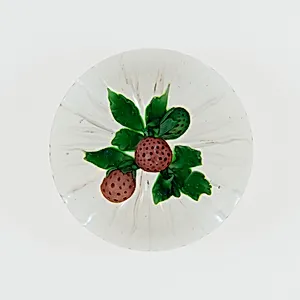
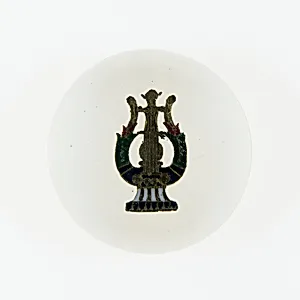
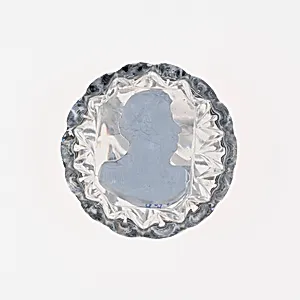
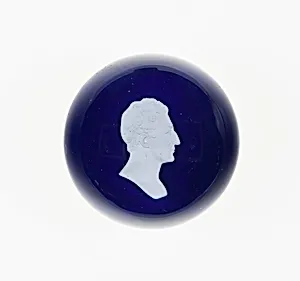
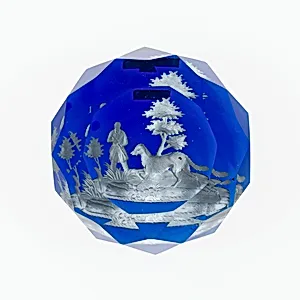
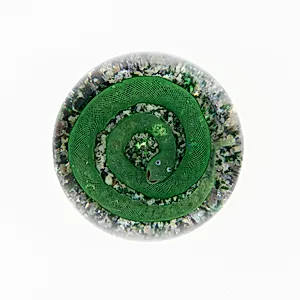
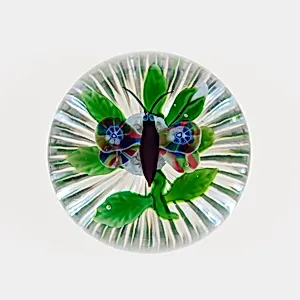
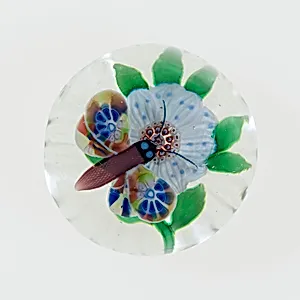
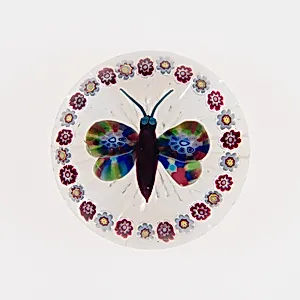
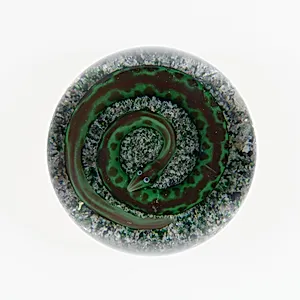
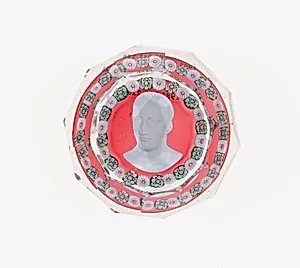
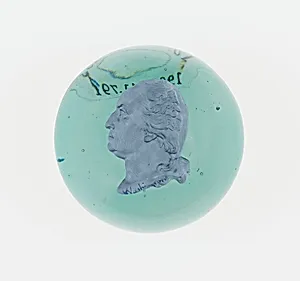
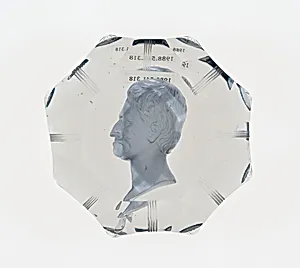
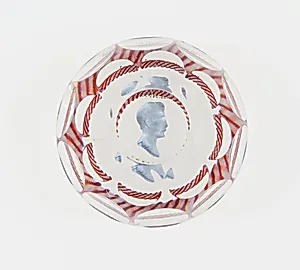
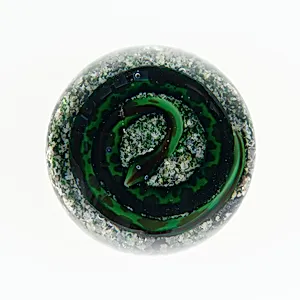
The mid-19th century brought innovation and acclaim: engineer François-Eugène de Fontenay introduced colored glass in 1841, followed by iconic millefiori paperweights from 1846, blending cameo, sculpture, engraving, and casing techniques that captivated collectors worldwide.) Baccarat earned gold medals starting at the 1855 Paris World's Fair, showcasing feats like a crystal temple to Mercury and an epic ship; later triumphs included the world's largest chandelier for Istanbul's Dolmabahçe Palace and the "Tsar's" candelabra for Nicholas II. The enduring Harcourt stemware, launched around 1841, and the Juvisy service for the Élysée Palace since 1899 exemplify its opulent tableware tradition, while perfume bottles peaked at over 4,000 daily by 1907. Japanese influences post-1870 and Art Deco mastery at the 1925 Exposition des Arts Décoratifs defined its stylistic evolution from opaline hues to precise cutting and gilding.)
Through wars and crises, Baccarat endured, reopening post-World War II and diversifying into jewelry (1993) and the blockbuster perfume Baccarat Rouge 540 (2014). Collaborations with luminaries like Salvador Dalí, Georges Chevalier for Art Deco, Philippe Starck's "Darkside" Zenith chandelier (2005), and contemporaries Virgil Abloh and Jaime Hayon infuse modern verve into ancestral methods honed by artisans trained over 15 years in an internal school yielding France's most Meilleurs Ouvriers.
Today, under CEO Margareth Henriquez, Baccarat sustains its legacy from two museums—the Baccarat site housing 1,100 objects and a Paris gem in a Starck-renovated mansion—supplying chandeliers for global palaces, hotels, and collectors. With over 250 years of transforming earth, fire, air, and water into unparalleled crystal, it remains synonymous with French luxury and innovation.)