Ctrl K
1723–1810
Occupations
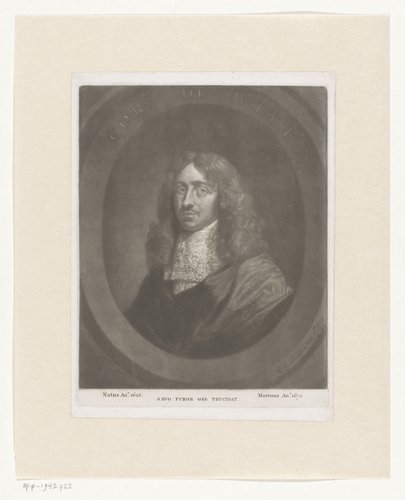
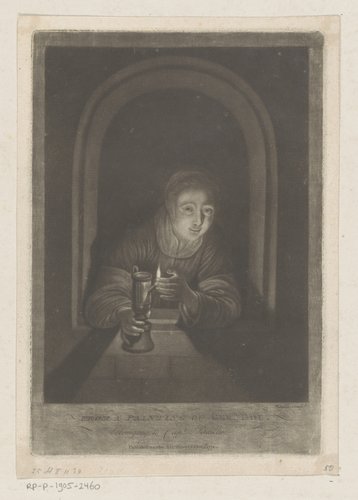
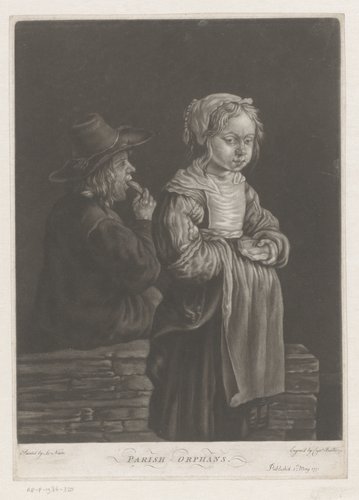
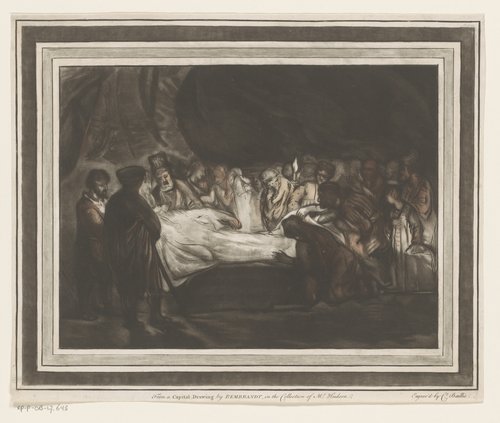
William Baillie (1723-1810), often known as Captain William Baillie, was an Irish printmaker who achieved distinction for his experimental approach to etching and mezzotint, particularly his controversial reworking of Rembrandt's plates. Born into a military family in Kilbride, County Carlow, Baillie pursued a dual career as a British Army officer and self-taught artist, eventually becoming a significant figure in the London art market as both practitioner and dealer. His most infamous artistic endeavor involved acquiring Rembrandt's worn original plate of the "Hundred Guilder Print" and reworking it before cutting it into four sections—a decision that sparked debate about artistic preservation and innovation. Despite lacking formal artistic training, Baillie demonstrated considerable technical skill in mezzotint and stipple engraving, and his ambitious 1792 publication of 225 prints after Old Masters through John Boydell secured his place in printmaking history.
William Baillie was born at Kilbride, County Carlow, Ireland, on June 5, 1723. He received his education at Dr. Sheridan's school in Dublin, where his father initially intended him for a legal career. At approximately age eighteen, his father sent him to London to study law, but Baillie soon decided to follow his younger brother into military service. After some paternal opposition, he accepted a commission offered by Lord Archibald Hamilton in the 13th Regiment of Foot.
Baillie's military service proved distinguished. He served at the Battle of Culloden in 1746 under the Duke of Cumberland during the Jacobite Rising, and participated in several engagements in Germany under the Marquess of Granby during the Seven Years' War. In 1756, when the 51st regiment was raised, he obtained a company and served as captain of Grenadiers and paymaster, fighting at the Battle of Minden in 1759. He continued his military career until 1761, though he later held the civilian post of Commissioner of Stamps.
Although Baillie had no early artistic training, he developed considerable ability as an engraver, particularly in mezzotint and stipple techniques. He was largely self-taught, though he received some instruction from his fellow Irishman, the painter Nathaniel Hone. His transition from military officer to artist marked an unusual career trajectory for his era.
Beyond his own artistic production, Baillie established himself as a prominent picture dealer in London, acting as agent for aristocratic collectors including the Earl of Bute and Lord Liverpool. This dual role as practitioner and dealer provided him unique insight into the art market and access to important works that would influence his own printmaking.
Baillie's most controversial artistic act involved acquiring the badly worn original copper plate of Rembrandt's celebrated "Hundred Guilder Print." He reworked the plate to restore detail, then took a limited number of impressions before making the extraordinary decision to cut the plate into four pieces, taking impressions from each individual section. This act scandalized some contemporaries as destruction of an artistic treasure, though Baillie viewed it as creating new works from a deteriorating original.
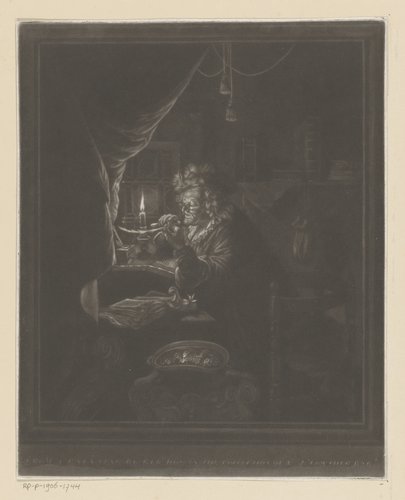
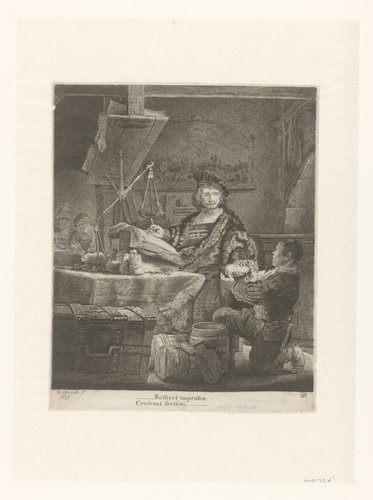
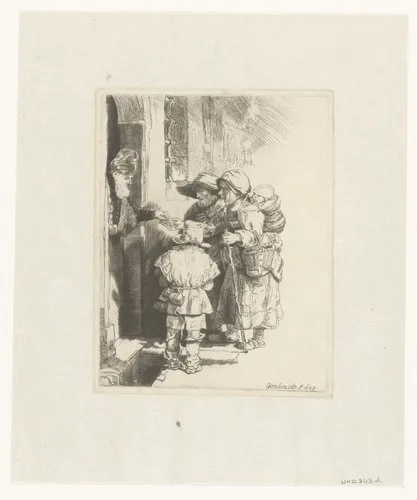
In 1792, Baillie achieved his most significant publication through John Boydell, the prominent print publisher. The work, titled "A Series of 225 Prints and Etchings after Rembrandt, Teniers, G. Dou, Poussin, and others," appeared in two folio volumes and represented the culmination of his printmaking career. The series demonstrated both his technical skill and his deep engagement with Old Master paintings.
William Baillie died at Paddington, London, on December 22, 1810, at the age of eighty-seven. His legacy remains complex: while his technical abilities earned respect, his decision to cut Rembrandt's plate continues to provoke debate about the boundaries between artistic innovation and historical preservation.
Artheon Research Team
Last updated: 2025-11-09
Biography length: ~487 words
Wikidata (CC0); Getty ULAN (ODC-By)