Ctrl K
1692–1783
Occupations
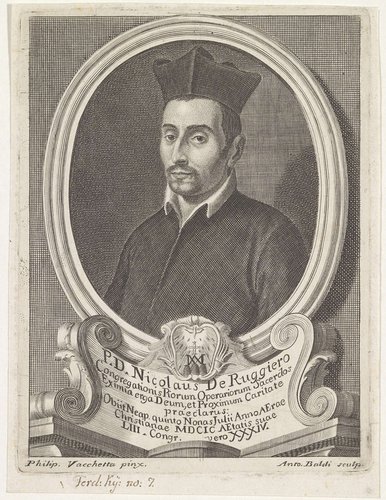
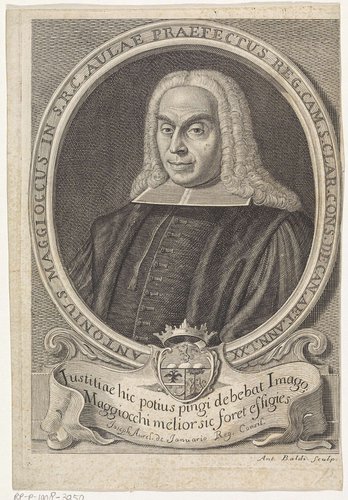
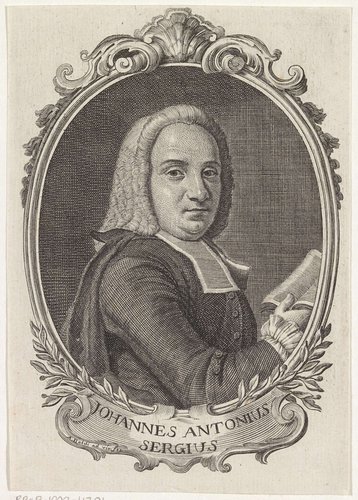
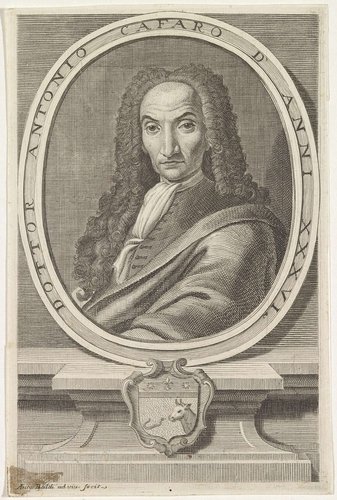
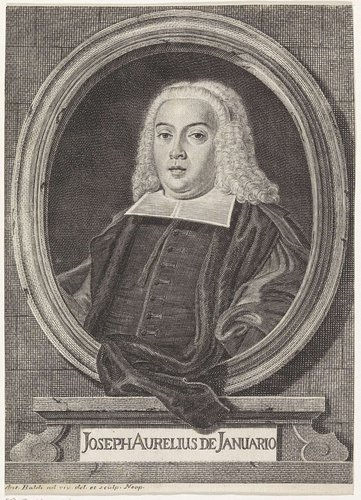
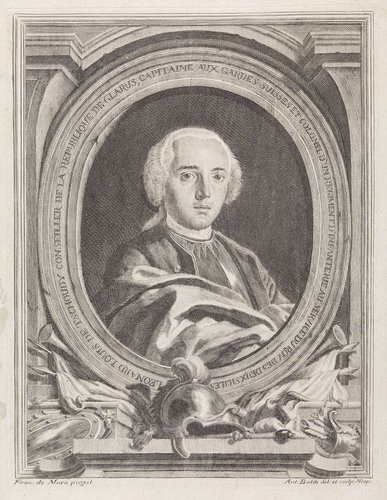
Antonio Baldi (c.1692-1768) was an Italian painter and engraver of the late Baroque period whose career bridged Naples and the broader Italian artistic scene. Born around 1692 in Cava de' Tirreni in the Kingdom of Naples, Baldi received his artistic formation through distinguished teachers, initially training under Francesco Solimena, one of Naples's most important late Baroque painters, before studying engraving under Andreas Magliar. Establishing himself primarily in Naples, Baldi developed a versatile practice encompassing painting, engraving, and theatrical design. His collaboration with Vincenzo Re on scenic design for Neapolitan theaters demonstrated his facility with large-scale decorative work and architectural illusionism. As an engraver, Baldi became particularly known for his portrait prints, characteristically presented in oval frames with elaborate decorative elements that exemplified late Baroque aesthetic preferences. His prints circulated widely, making images of notable figures accessible beyond painted originals. Baldi died in Naples in 1768, having contributed to Neapolitan artistic culture during the twilight of the Baroque era and the emergence of Neoclassicism.
Antonio Baldi was born around 1692 in Cava de' Tirreni, a town in the mountainous interior of the Kingdom of Naples. The region's artistic production centered on Naples itself, and Baldi would eventually gravitate to that city for his training and career.
His first teacher was Francesco Solimena (1657-1747), the dominant figure in Neapolitan painting during the late Baroque period. Solimena's workshop was among the most important in Italy, training numerous artists who spread his dynamic compositional style and brilliant colorism throughout Europe. Under Solimena's instruction, Baldi absorbed the principles of late Baroque painting: dramatic lighting, complex compositions, vigorous movement, and theatrical presentation.
Following his time with Solimena, Baldi turned to the specialized study of engraving under Andreas Magliar. This shift from painting to printmaking required mastering different technical skills—the precise manipulation of the engraving burin, understanding of how linear marks create tonal effects, and translation of painted compositions into black-and-white graphic form. Engraving training provided Baldi with capabilities in both original creation and reproductive printmaking.
Baldi established himself primarily in Naples, where he pursued a versatile artistic career encompassing multiple media and contexts. His work as a painter continued the traditions he had learned from Solimena, though his painted works remain less documented than his prints.
He collaborated with Vincenzo Re as a scenic designer for Neapolitan theaters. This work required different skills from easel painting or engraving: creating large-scale decorative compositions designed to be viewed from a distance, employing architectural illusionism and perspective effects, and working within the practical constraints of theatrical production. Theater design was a significant artistic domain in Naples, a city with vibrant operatic and dramatic culture.
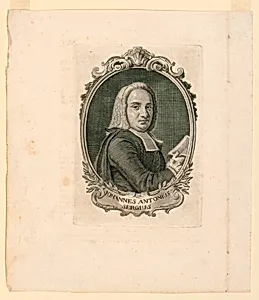
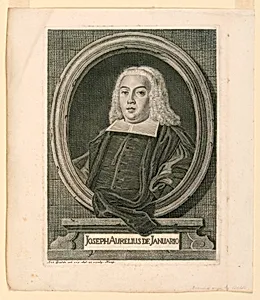
As an engraver, Baldi achieved particular recognition for his portrait prints. These characteristically featured oval frames with elaborate decorative elements—cartouches, floral ornaments, architectural fragments, and other Baroque embellishments that demonstrated his facility with ornamental design. The oval format, popular in eighteenth-century portraiture, focused attention on the sitter's face while providing opportunities for decorative invention in the surrounding frame.
His engraved portraits served the period's demand for affordable, reproducible images of notable individuals—nobility, clergy, military figures, and cultural luminaries. These prints circulated more widely than paintings, extending the reach of portraiture beyond wealthy patrons who could commission painted works.
Antonio Baldi died in Naples in 1768, at approximately seventy-six years of age. His death occurred during a period of significant artistic transition in Naples, as late Baroque styles gradually gave way to Neoclassicism under the Bourbon monarchy's cultural initiatives.
Artheon Research Team
Last updated: 2025-11-09
Biography length: ~465 words
Wikidata (CC0); Getty ULAN (ODC-By)