Ctrl K
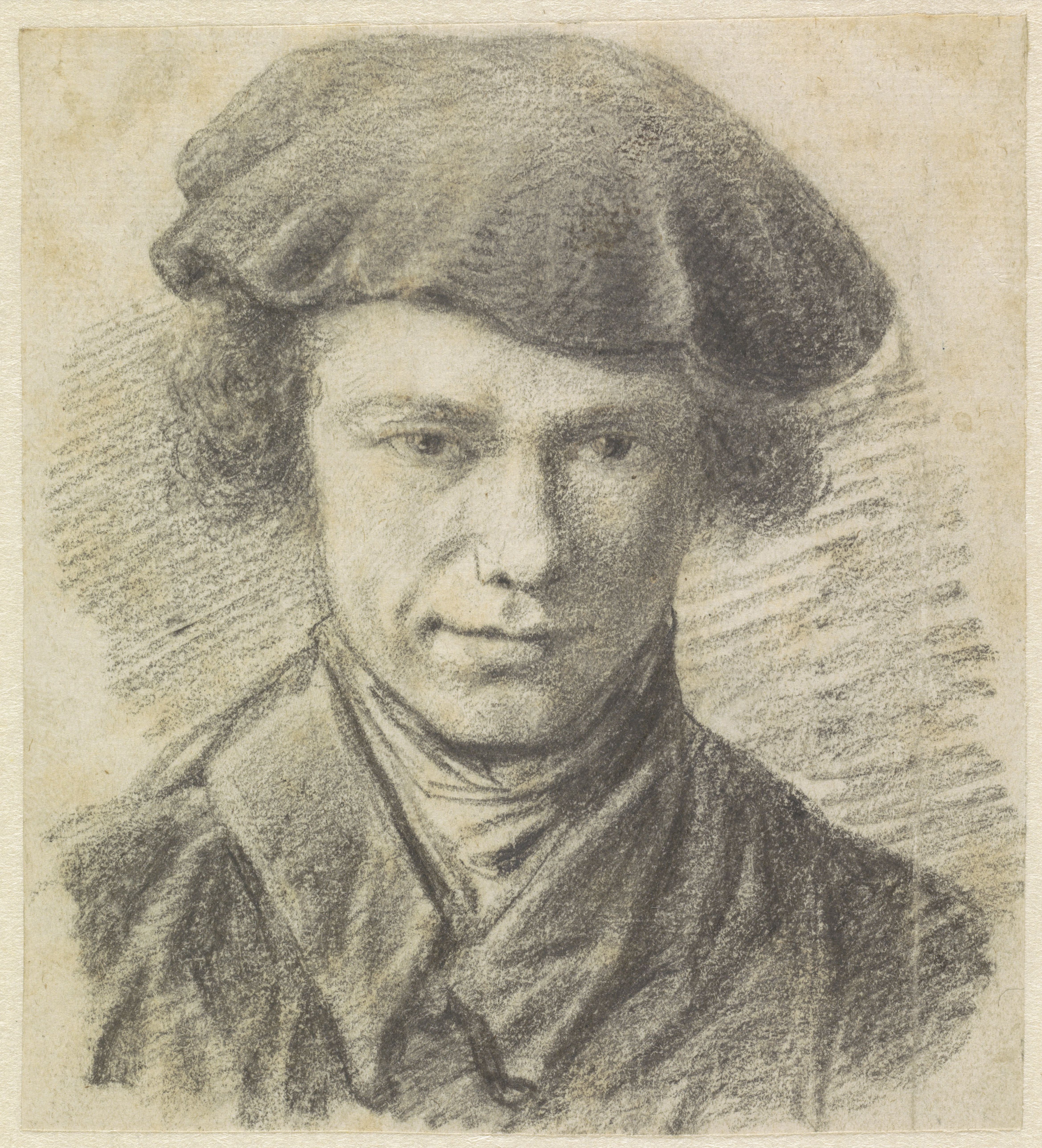
1803–1862
Barend Cornelis Koekkoek, born on October 11, 1803, in Middelburg, Netherlands, emerged from a prolific family of artists as the son of marine painter Johannes Hermanus Koekkoek and Anna van Koolwijk. His brothers—Hermanus, Johannes, and Marinus Adrianus—also pursued painting, specializing in marine and river scenes or decorative works. Koekkoek received his earliest training from his father before enrolling in 1817 at the Drawing Academy of Middelburg under Abraham Krayestein. From 1822 to 1826, he studied at the Koninklijke Academie van Beeldende Kunsten in Amsterdam, working with history painter Jan Willem Pieneman and portraitist Jean Augustin Daiwaille, whose daughter Elise Thérèse he later married in 1833. This rigorous foundation in drawing and observation shaped his lifelong commitment to naturalistic detail.
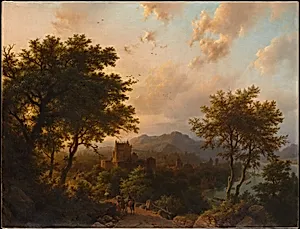
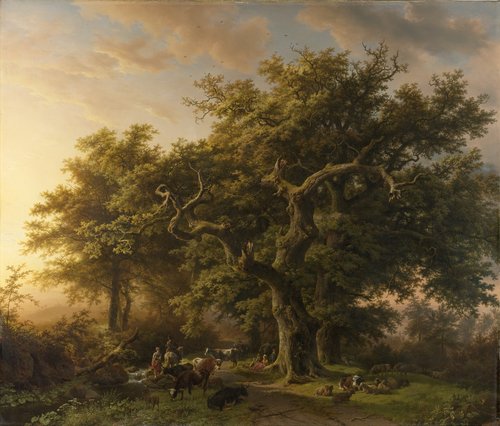
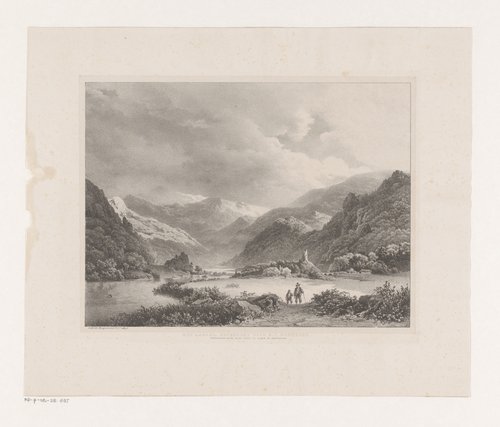
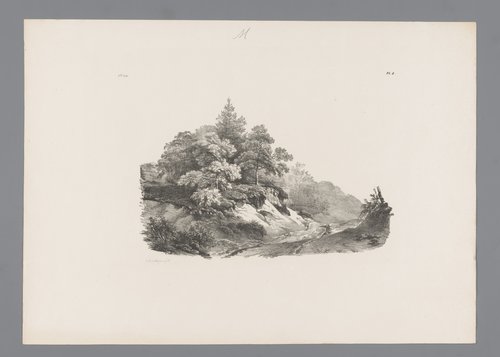
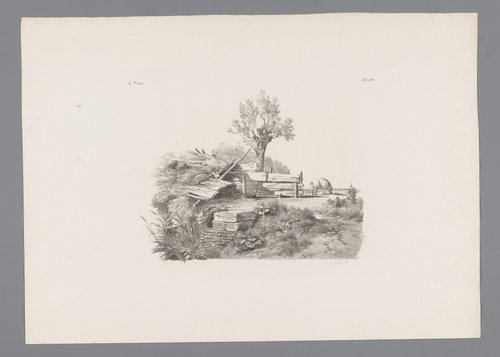
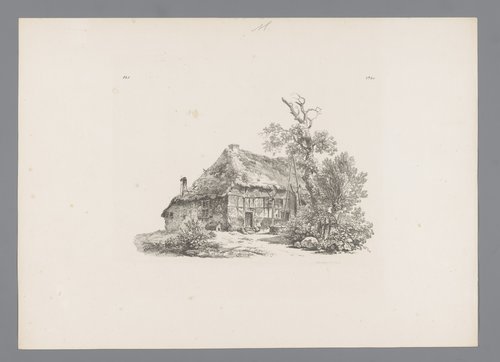
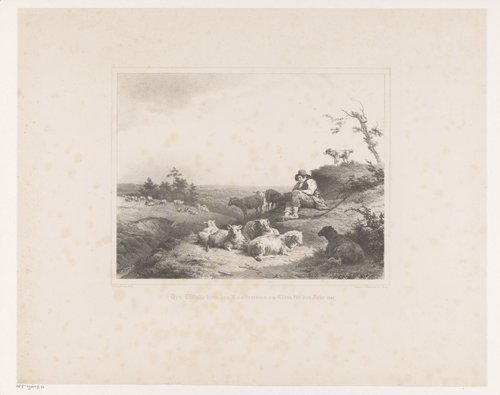
Dubbed the "Prince of Landscape Painting," Koekkoek pioneered Dutch Romantic landscape art, blending precise fijnschilder technique—smooth, porcelain-like surfaces and bright palettes—with idealized, majestic scenes evoking the Dutch Golden Age masters like Jacob van Ruisdael and Meindert Hobbema. In 1834, he settled in Cleves, Germany, drawn to the Rhine region's dramatic wooded valleys, where he founded the Cleves Romanticism school. His compositions often featured panoramic views with towering oaks, winding rivers, tiny staffage figures, and atmospheric effects like gathering storms or rosy sunsets, capturing nature's sublime power across seasons. In 1841, he established the Zeichen Collegium drawing academy, mentoring talents like Frederik Marinus Kruseman and Johann Bernard Klombeck, and published *Herinneringen en Mededeelingen van eenen Landschapsschilder*, advocating direct study of nature and 17th-century precedents.
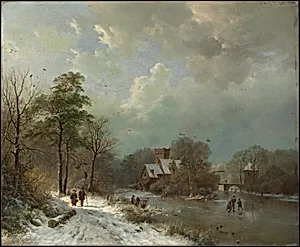
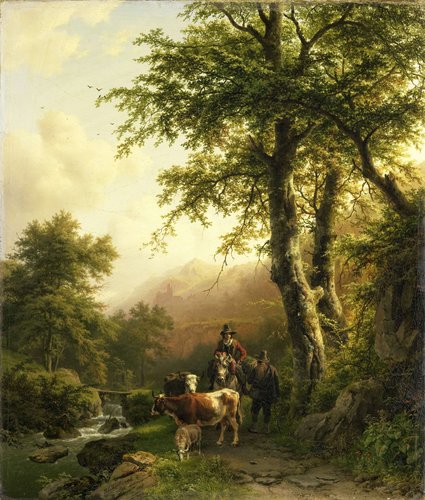
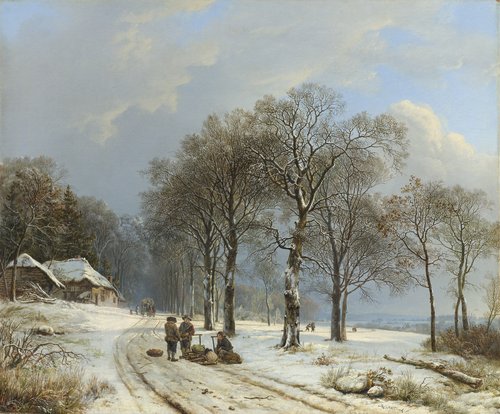
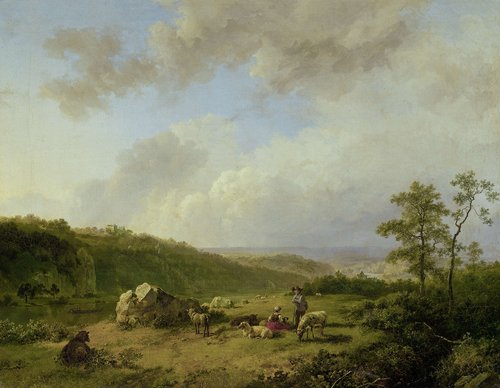
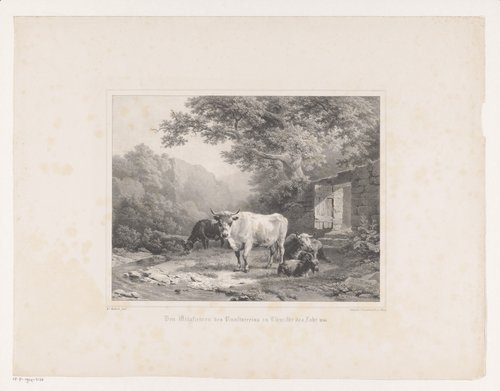
Among his masterpieces are *Landscape with a Rainstorm Threatening* (1829, Rijksmuseum), which earned a gold medal; *Winter Landscape* (1835–1838); *View in the Woods* (1848, Rijksmuseum); and *Forest Landscape with Shepherds and Cattle* (1857). Royal patrons, including King Willem II of the Netherlands and Tsar Alexander II, commissioned his works, cementing his fame through exhibitions in Paris and The Hague. A stroke in 1859 curtailed his output, but Koekkoek's legacy endures as the preeminent 19th-century Dutch landscapist. His Cleves home now houses the Städtisches Museum Haus Koekkoek, preserving his influence on Romanticism and inspiring generations with vivid, nostalgic visions of untamed wilderness.