Ctrl K
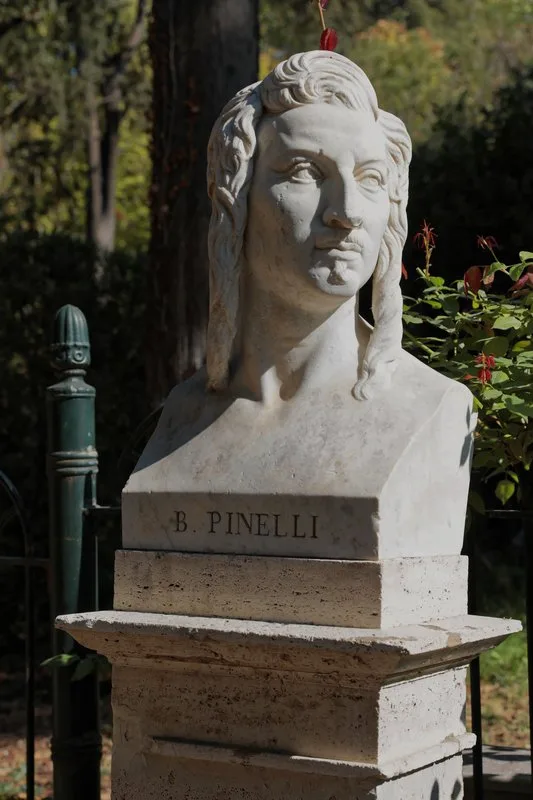
1781–1835
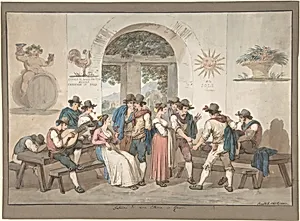
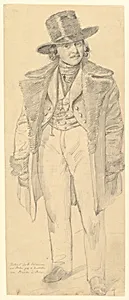
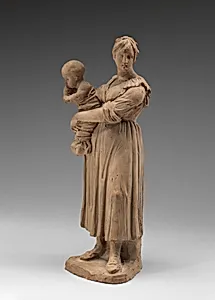
Bartolomeo Pinelli (1781–1835) was an Italian artist and printmaker who became one of the most popular and prolific chroniclers of Roman popular life in the early nineteenth century. Born in Rome, he trained at the Accademia di San Luca and demonstrated precocious talent in drawing and sculpture, though it was as an engraver and illustrator that he found his true vocation and his widest audience. His work was shaped by the Neoclassical tradition current in Rome during his formative years, but he bent it toward subjects drawn from the streets, taverns, and countryside of the eternal city and the surrounding Campagna.
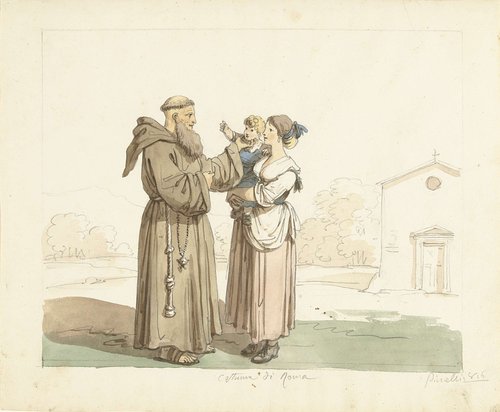
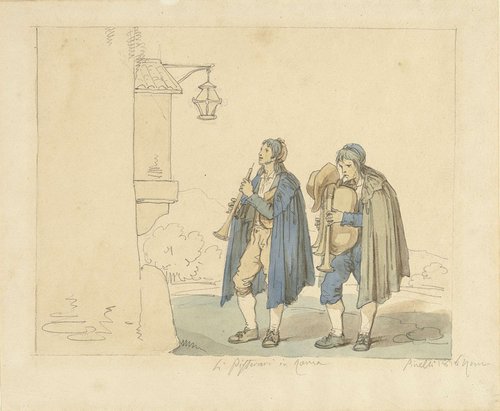
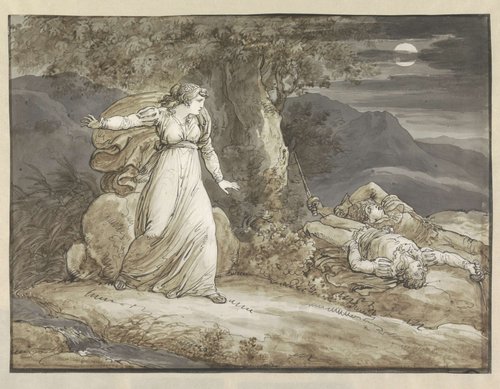
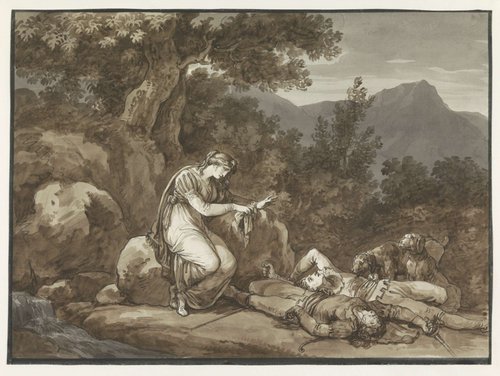
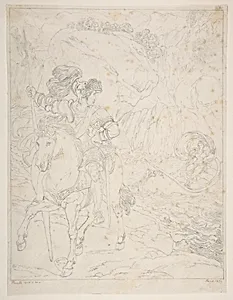
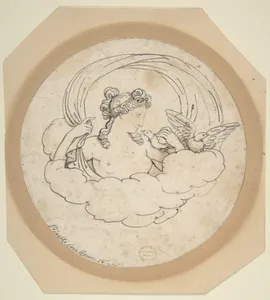
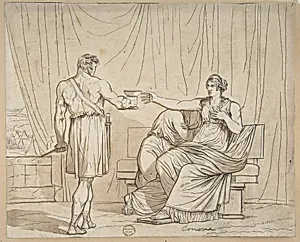
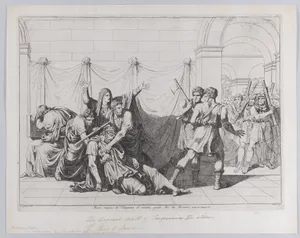
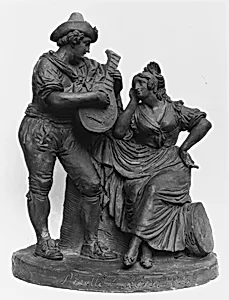
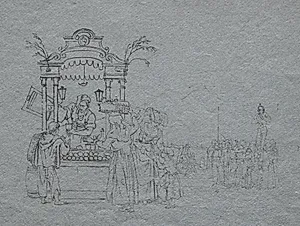
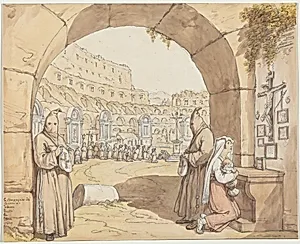
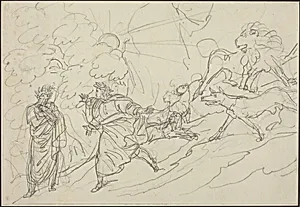
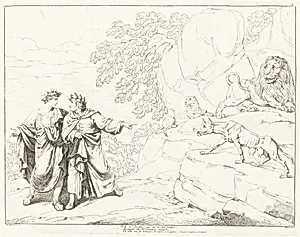
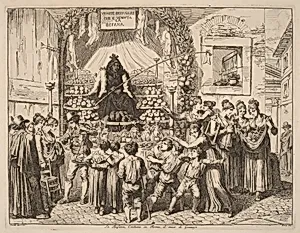
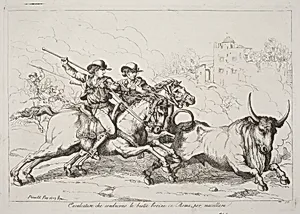
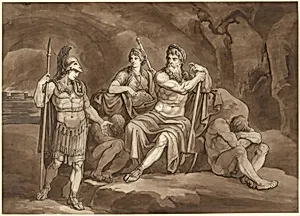
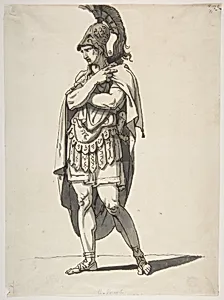
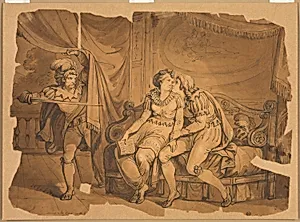
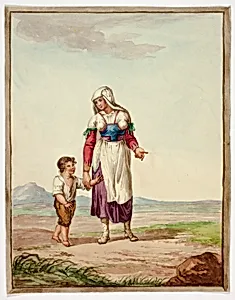
Pinelli produced an enormous body of etchings depicting Roman peasants, bandits, carnival scenes, religious processions, and the varied characters of the city's working population. His figures are drawn with energy and affection, capturing costume, gesture, and social type with an ethnographic precision that makes his prints invaluable historical documents as well as lively works of art. He also produced ambitious series illustrating classical and Renaissance literary texts, including works by Dante, Ariosto, and Tasso, bringing to literary subjects the same vigorous linearity that characterized his genre scenes.
His popularity was considerable during his lifetime, and his prints were eagerly collected by the Grand Tour visitors who flooded Rome in search of picturesque Italy. He worked rapidly and prolifically, producing thousands of prints across his career, and his work was widely reproduced and imitated.
Pinelli's legacy rests on his role as the premier visual chronicler of Roman popular culture in the Napoleonic and Restoration eras. His etchings remain indispensable sources for historians of Italian social life and costume and are prized by collectors of the Roman Scuola as examples of a distinctively local tradition of vernacular realism.