Ctrl K
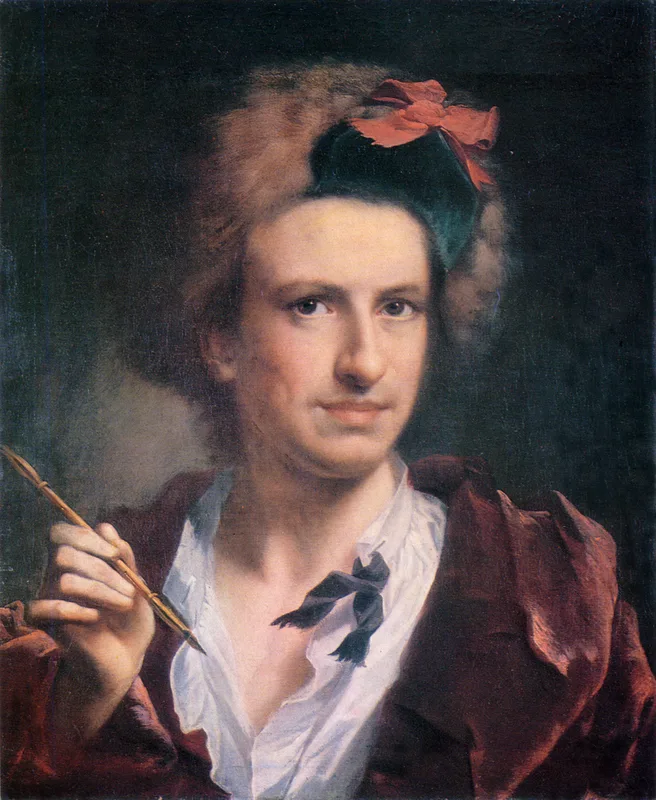
1727–1815
Occupations
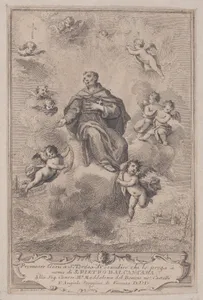
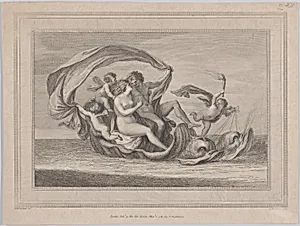
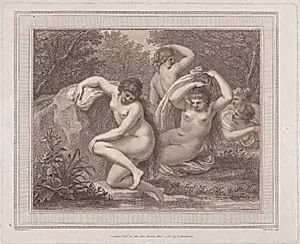
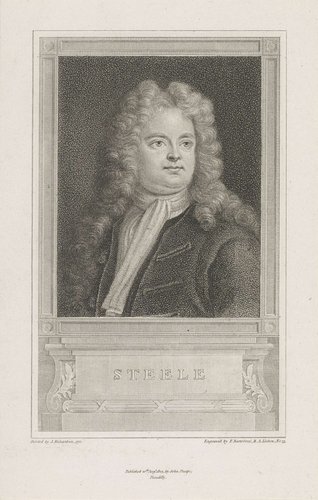
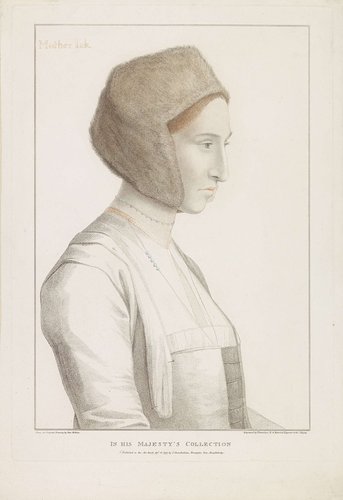
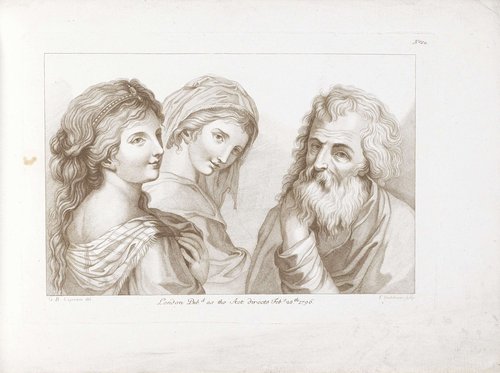
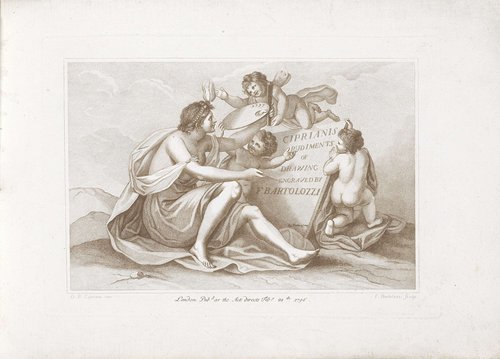
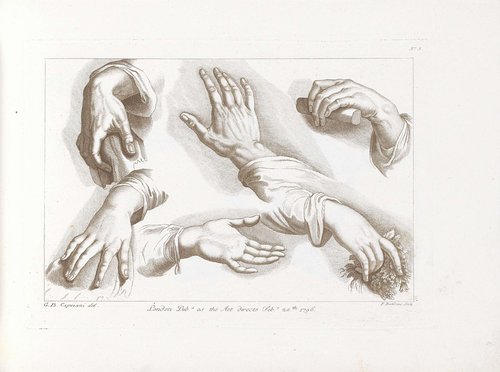
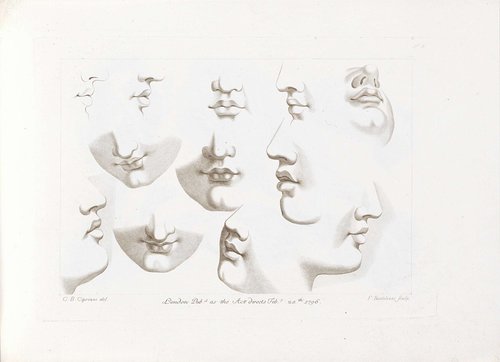
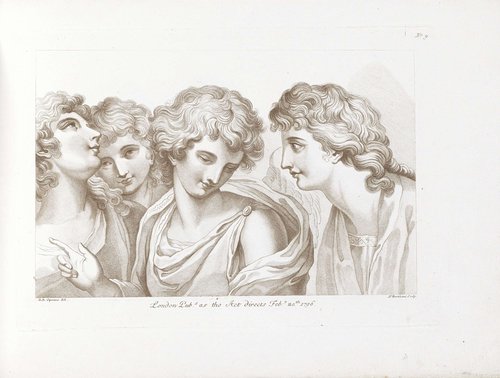
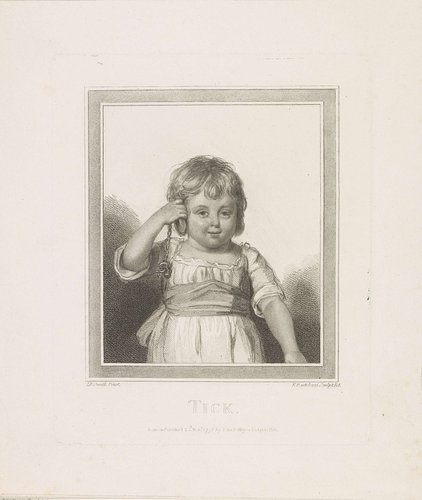
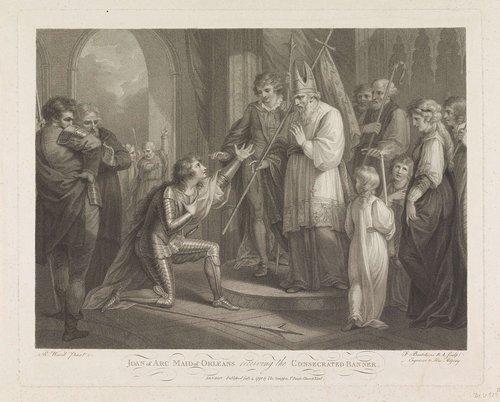
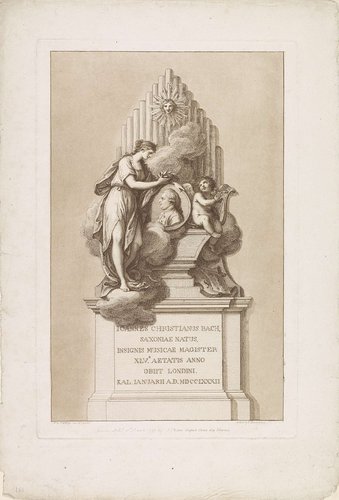
Francesco Bartolozzi (1727–1815) was an Italian engraver whose most productive period was spent in London, where he became the leading exponent of stipple engraving and a founding member of the Royal Academy. Born in Florence and trained first as a painter before turning to engraving in Venice, he established his reputation in Rome before being recruited by the English Royal Librarian Richard Dalton in 1763. Moving to London in 1764, Bartolozzi spent nearly forty years as 'Engraver to the King,' producing an enormous body of work including contributions to Boydell's Shakespeare Gallery. His stipple technique—creating images through delicate networks of dots rather than lines—revolutionized reproductive engraving, and his drawing was so superb that even Sir Joshua Reynolds thanked him for improving the works he copied. Despite his fame and prolific output, debts forced him to accept a position as director of the National Academy of Lisbon in 1802, where he died in 1815.
Born September 21, 1727 in Florence; his father was a gold- and silversmith.
Originally destined to follow his father's profession but showed exceptional skill and taste in designing.
Placed under supervision of Florentine artists Ignazio Hugford and Giovanni Domenico Ferretti for painting instruction.
After three years studying painting, traveled to Venice to study engraving.
Spent six years in Venice working for Joseph Wagner, an engraver and printseller, before establishing his own workshop.
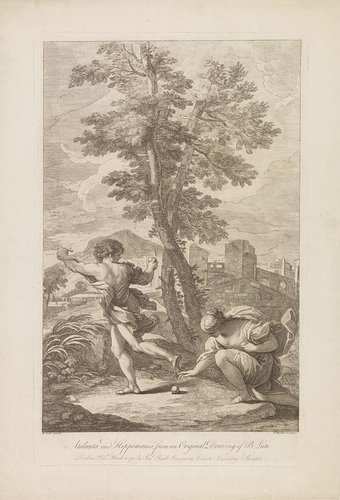
First productions in Venice were plates in the style of Marco Ricci and Francesco Zuccarelli.
Moved to Rome in 1762, quickly gaining reputation as a masterful engraver.
In 1763, published a set of etchings after Old Master drawings that raised his profile across Europe.
Met Richard Dalton, English Royal Librarian, who offered him appointment as Engraver to the King.
Arrived in London in 1764, appointed 'Engraver to the King' (George III) with annual salary of £300.
Elected founding member of the Royal Academy; though bylaws excluded engravers, he was admitted as 'Painter' due to his esteem.
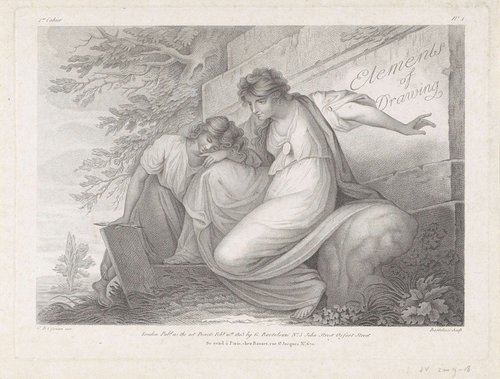
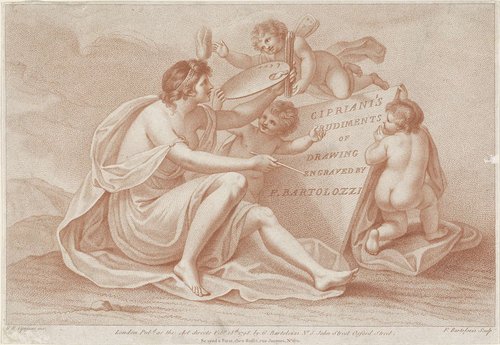
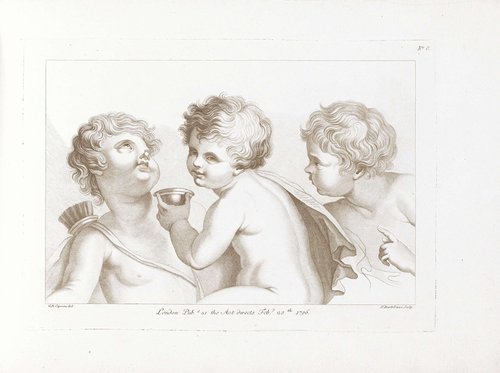
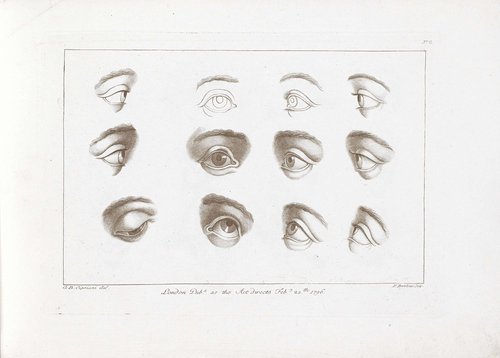
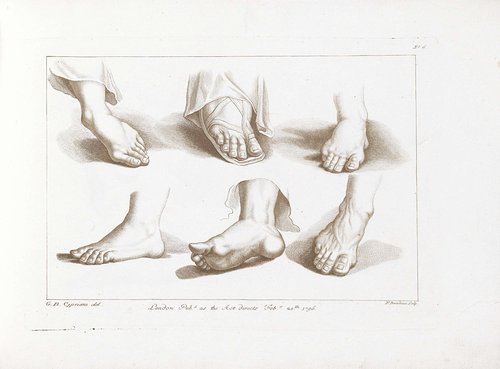
Produced enormous number of engravings, many after works by Cipriani and Angelica Kauffman.
Contributed plates to Boydell's Shakespeare Gallery and developed stipple technique to unprecedented levels.
His pupils called him 'the god of drawing'; even Reynolds thanked him for improving copied works.
Despite fame, accumulated significant debts forcing him to seek new opportunities.
Accepted position as director of the National Academy of Lisbon in 1802 at age 75.
Intended to reform the royal press and produce illustrated edition of the Portuguese epic 'The Lusiads.'
Delegated much work to students due to age; died March 7, 1815 in his Lisbon studio.
Buried in common grave of a Lisbon church; his son Gaetano became an engraver, fathering actress Madame Vestris.
Artheon Research Team
Last updated: 2025-11-28
Biography length: ~800 words
Wikidata/Wikimedia Commons