Ctrl K
1510–1561
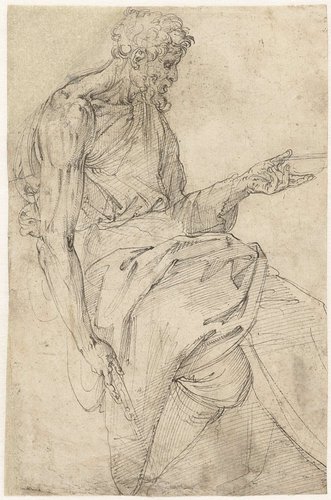
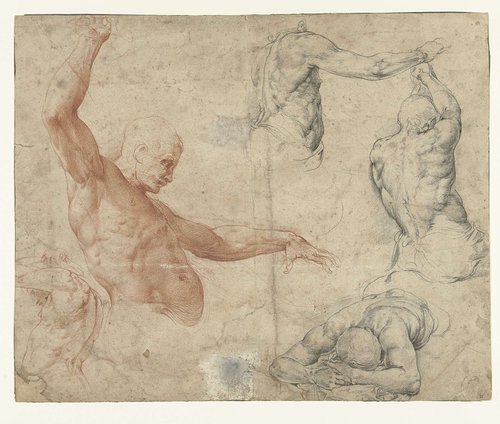
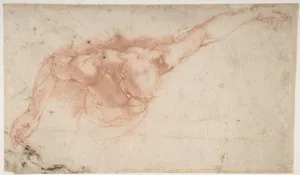
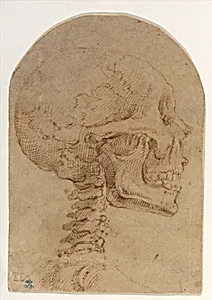
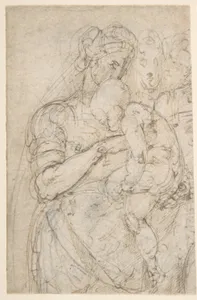
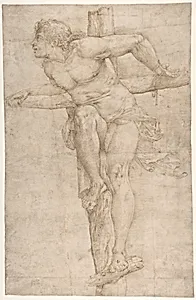
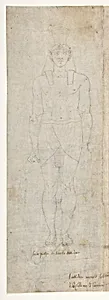
Battista Franco, known as il Semolei, was born in Venice around 1510, though his career unfolded largely in Rome and at the courts of central and northern Italy. He came to Rome in his twenties and immediately fell under two powerful spells: the inexhaustible riches of classical antiquity and the overwhelming presence of Michelangelo. Franco spent years making drawings after ancient sculptures and after Michelangelo's figures in the Sistine Chapel, acquiring through this disciplined study a command of the monumental human form that would define his mature manner.
In Rome, Franco took on major fresco commissions, including an allegory of the Battle of Montemurlo (1537), now in the Pitti Palace, and the Arrest of John the Baptist (1541), a fresco for the Oratory of San Giovanni Decollato. From 1545 to 1551 he worked in Urbino, where he is thought to have been among the mentors of Federico Barocci, one of the most important painters of the next generation. He also collaborated with Girolamo Genga during this period.
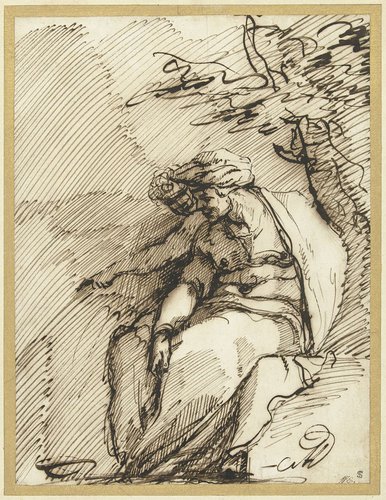
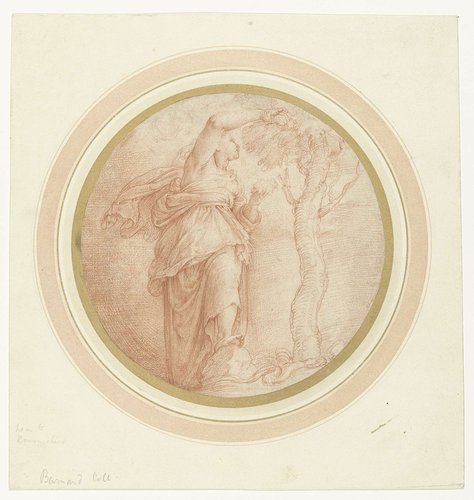
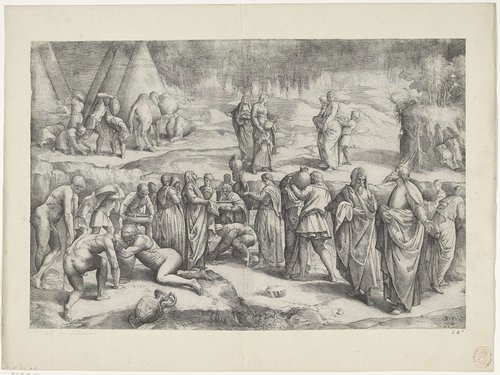
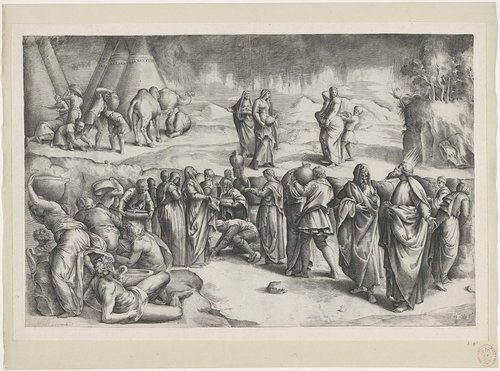
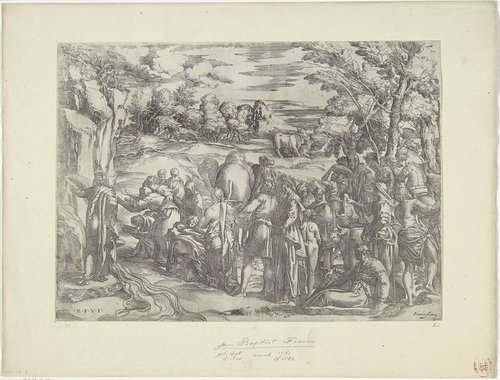
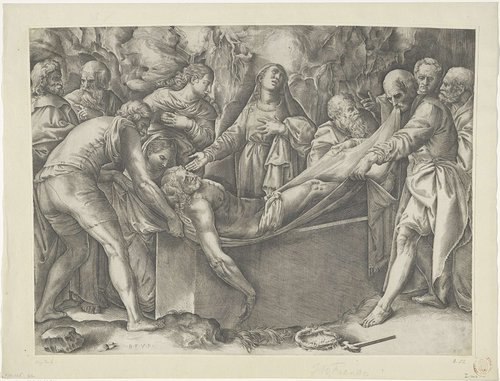
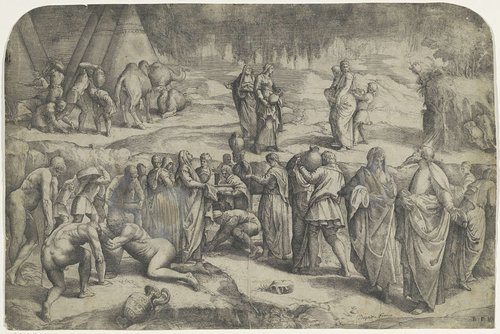
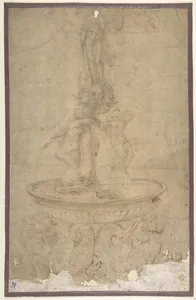
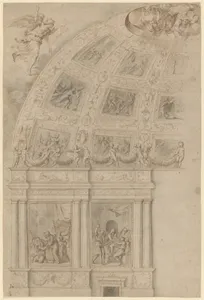
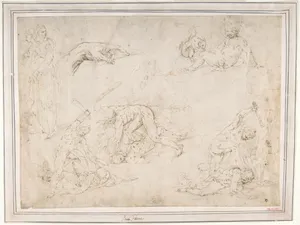
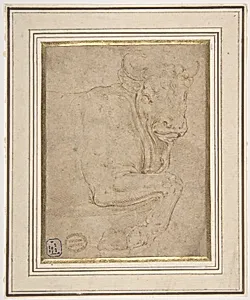
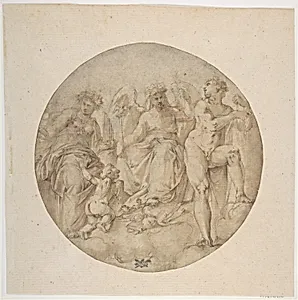
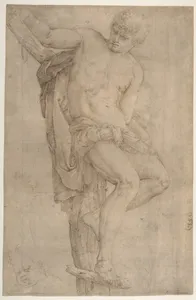
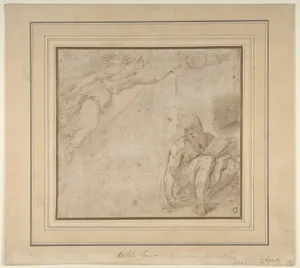
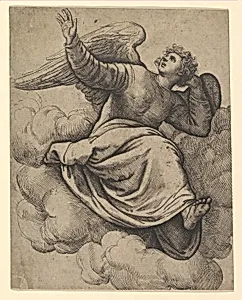
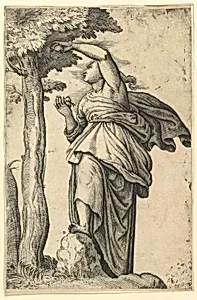
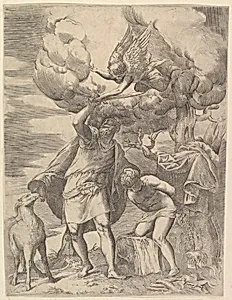
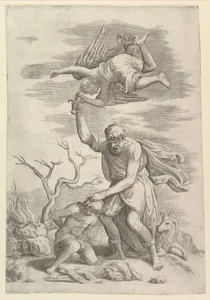
Franco eventually returned to Venice, where he participated in the prestigious decorative program of the Biblioteca Marciana and contributed paintings to the Grimani chapel in San Francesco della Vigna, including a Baptism of Christ. His painted work, while accomplished, remained firmly anchored to Michelangelo's example — sometimes at the expense of his own originality. It is in his drawings and etchings that critics have consistently found greater vitality and invention. A skilled printmaker working in both etching and engraving, he produced prints that circulate his designs with a freedom and energy his paintings do not always match. He died in Venice in 1561, leaving behind a son, Giacomo Franco, who became an etcher and publisher in his own right.