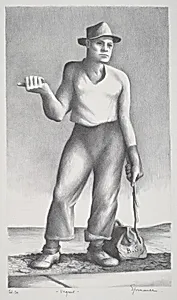
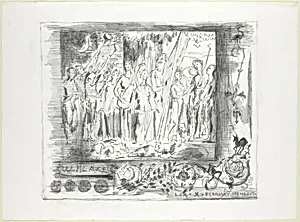
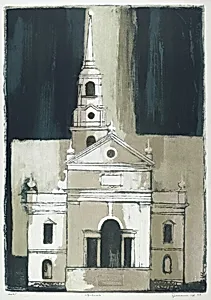
Benton Murdoch Spruance (1904–1967) was a Philadelphia native whose artistic journey began amid the city's architectural landscape. Born on June 25, 1904, he initially worked as a clerk in an architect's office while studying architecture at the University of Pennsylvania, where he taught himself graphic sketching. A scholarship brought him to the Pennsylvania Academy of the Fine Arts (PAFA), followed by two Cresson Traveling Scholarships that funded European study. In Paris in 1928, he created his first lithograph at the studio of Jacques and Edmond Desjobert, igniting a lifelong passion for printmaking. That year, he married Winifred Glover, whose support underpinned his career.
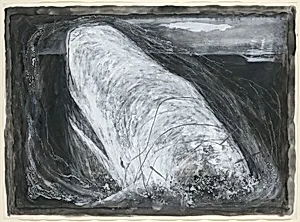
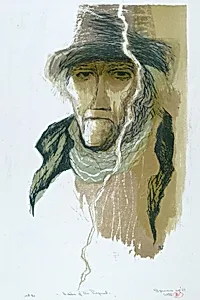
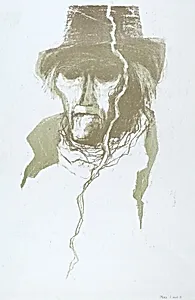
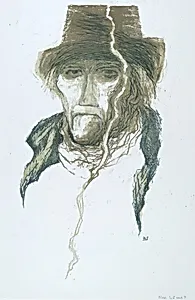
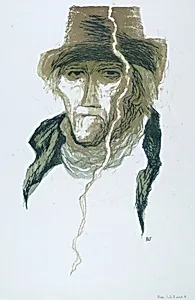
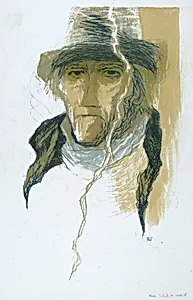
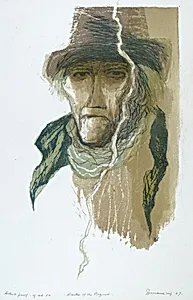
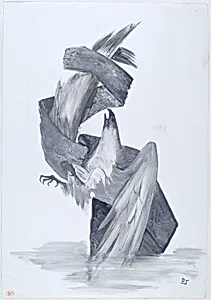
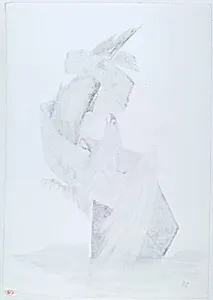
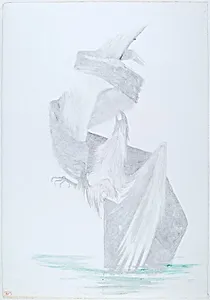
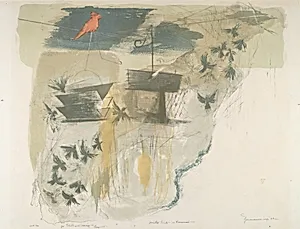
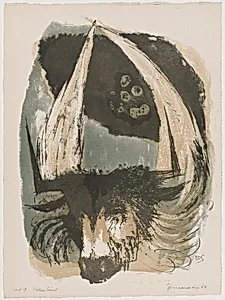
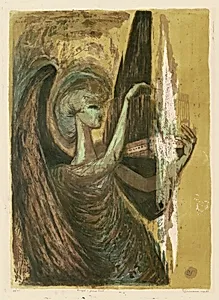
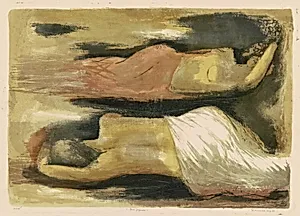
Spruance emerged as a pioneer in color lithography, producing over 400 prints that evolved from bold black-and-white urban scenes and social commentary in the 1920s and 1930s—such as *Visitor to Germantown* (1935) and *The 30's—Windshield*—to psychologically charged portraits in the 1940s and mystical, sculptural works inspired by mythology, religion, and literature in later decades. His masterpiece, a series of 26 lithographs based on Herman Melville's *Moby Dick* (1965), exemplifies his technical mastery and thematic depth, blending narrative drama with innovative color layering. Other notable pieces include *Penelope* (1956), *Lamentation* (1950), and *The Artist as Model* (1942). His work appeared in the 1936 Summer Olympics art competition and garnered Library of Congress prizes in 1941 and 1948.
A devoted educator, Spruance chaired the Arts Department at Beaver College (now Arcadia University) and the Printmaking Department at the Philadelphia College of Art for 33 years, retiring in 1967 just before a major retrospective there. He founded the Philadelphia chapter of Artists Equity, served on the Philadelphia Art Commission—securing a 1% public art ordinance—and co-initiated Prints in Progress for schoolchildren. Awards like two Guggenheim Fellowships (1950, 1962) and the Philadelphia Art Alliance Medal (1965) cemented his status as "the dean of Philadelphia lithographers." Survived by his wife and stepsons, Spruance left a memorial collection at the Free Library of Philadelphia, his compassionate prints enduring as a vivid chronicle of human experience.

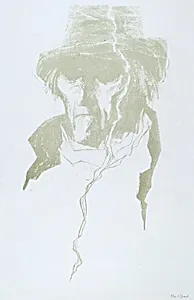
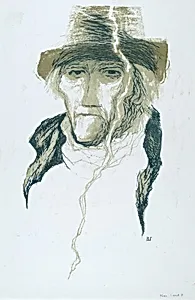
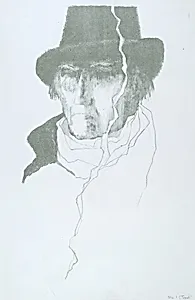
![O Sea Which Swells in Our Dreams [recto]](https://images.artheonmuseum.org/nga/thumb/o-sea-which-swells-in-our-dreams-recto-nga-48733.webp)