Ctrl K
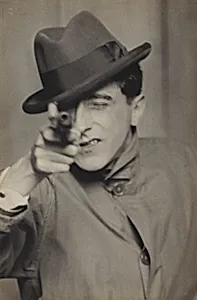
Berenice Abbott (1898–1991) was an American photographer whose documentary images of New York City and pioneering scientific photography established her as one of the most important photographers of the twentieth century. Born in Springfield, Ohio, she moved to New York in 1918, briefly studied sculpture, and then traveled to Paris, where she became Man Ray's studio assistant in 1923.
In Paris, Abbott developed her skills as a portrait photographer and, crucially, discovered the work of Eugène Atget, the great French photographer of old Paris. After Atget's death in 1927, Abbott purchased a large portion of his archive, spending decades promoting his work and ensuring its preservation — an act of artistic advocacy that was instrumental in establishing Atget's posthumous reputation.
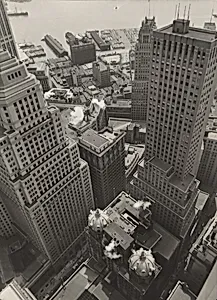
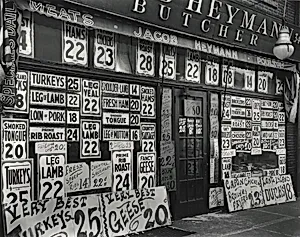
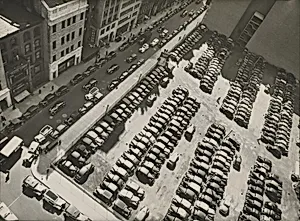
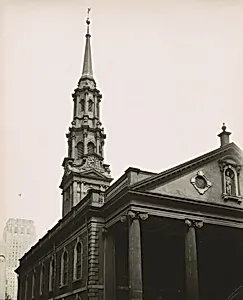
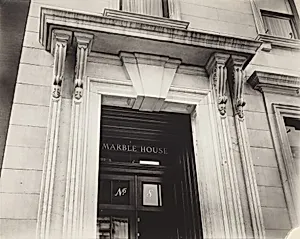
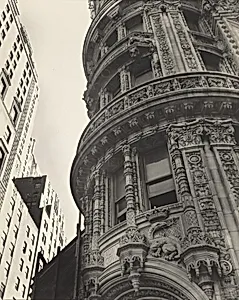
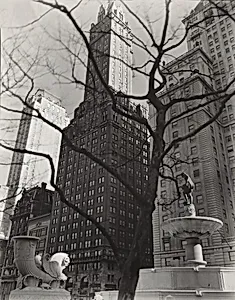
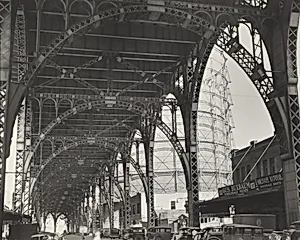
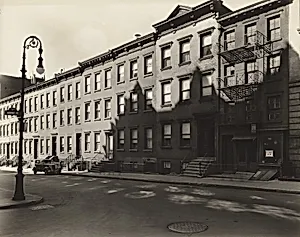
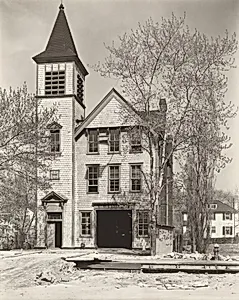
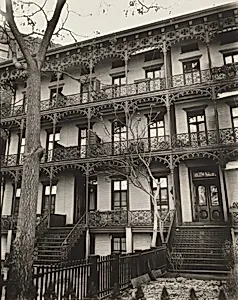
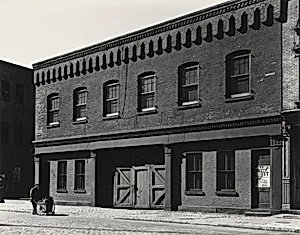
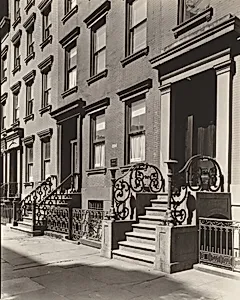
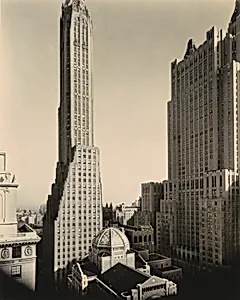
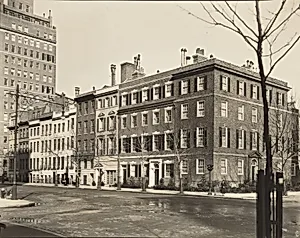
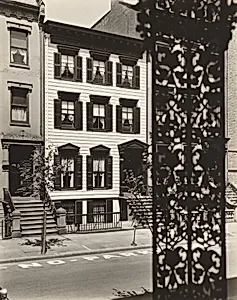
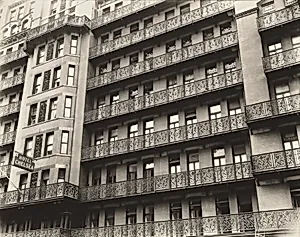
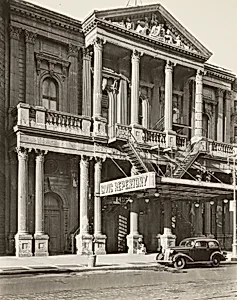
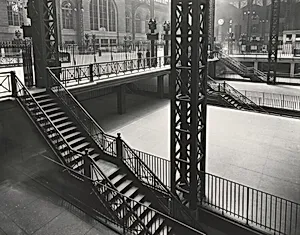
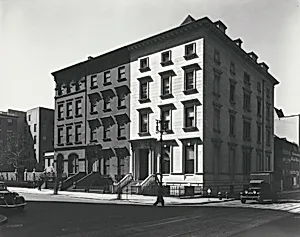
Returning to New York in 1929, Abbott began her most ambitious project: "Changing New York" (1935–39), a systematic photographic survey of Manhattan and the outer boroughs funded by the Federal Art Project. These photographs — of skyscrapers, bridges, street scenes, storefronts, and the dramatic contrasts of old and new architecture — constitute one of the great urban documentary projects in the history of photography. They capture New York at a pivotal moment of transformation with clarity, formal rigor, and an eye for the poetic possibilities of modern architecture.
In her later career, Abbott turned to scientific photography, developing techniques for photographing physical phenomena — magnetic fields, wave patterns, and motion — with a precision that served both scientific and aesthetic purposes. Her work is held by the Museum of Modern Art, the New York Public Library, the Smithsonian American Art Museum, and the MIT Museum.