Ctrl K
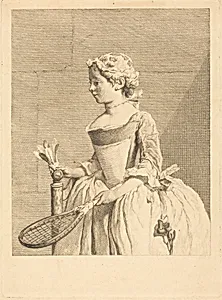
**Bernard Lépicié (François-Bernard Lépicié, 1698/1699–1755)** was a French engraver best known for his reproductive prints after the paintings of Jean Siméon Chardin. Working in Paris during the height of the Rococo period, Lépicié specialized in translating Chardin’s intimate genre scenes—depictions of everyday domestic life—into finely detailed engravings that reached a broad audience across Europe.
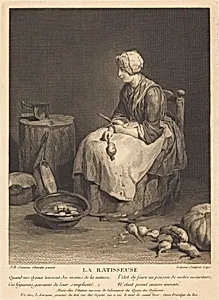
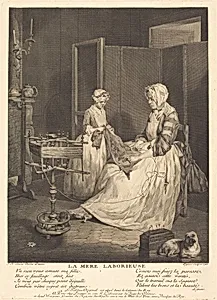
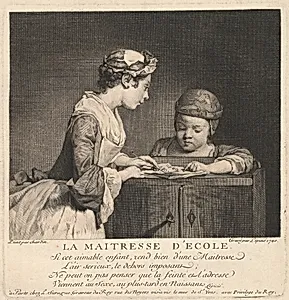
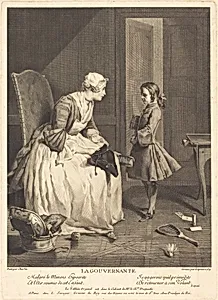
Lépicié’s engravings faithfully captured Chardin’s subtle handling of light, texture, and quiet narrative moments. Notable examples include *The Governess (La Gouvernante)* of 1739, *The Provider (La Pourvoyeuse)* of 1742, and *La Ratisseuse* also dated 1742. These prints, executed in engraving and etching on laid paper, preserved the moral and social undertones of Chardin’s originals while making them accessible beyond the walls of private collections.
His son, Nicolas-Bernard Lépicié (1735–1784), followed a different path as a history painter and teacher at the Académie Royale, but the elder Lépicié’s legacy rests firmly in the graphic arts. His Chardin reproductions were widely collected throughout the eighteenth century and helped cement the painter’s reputation among connoisseurs and the educated public.
Today, impressions of Lépicié’s prints reside in major institutions including the Philadelphia Museum of Art, the Minneapolis Institute of Art, the Metropolitan Museum of Art, and the National Gallery of Canada, where they continue to illuminate the collaborative relationship between painter and printmaker in eighteenth-century France.