Ctrl K
1905–1984
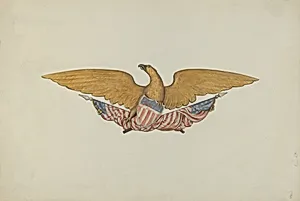
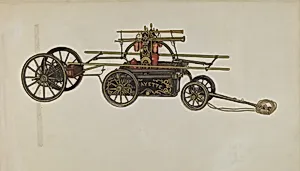
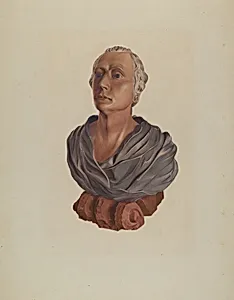
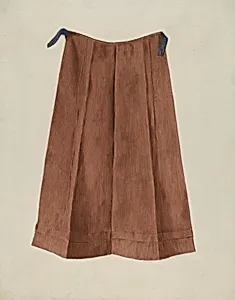
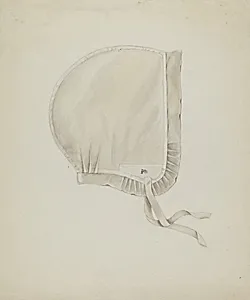
Betty Fuerst (1905–1984) was an American artist best known for her meticulous watercolor renderings documenting everyday objects of American folk art and craftsmanship as part of the Index of American Design, a Federal Art Project under the Works Progress Administration (WPA) from 1935 to 1942. Active primarily during this period, Fuerst contributed dozens of precise illustrations that captured the textures, forms, and cultural significance of carved wooden toys, Shaker textiles, maritime figureheads, and chalkware sculptures, preserving a visual record of America's vernacular design heritage amid the Great Depression. Little is documented about her early life or formal training, though her technical skill in watercolor, graphite, and colored pencil suggests a disciplined observational approach suited to the project's ethnographic goals.
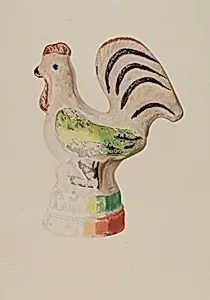
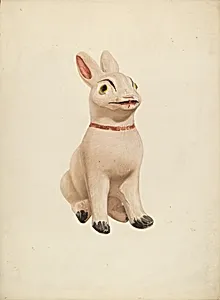
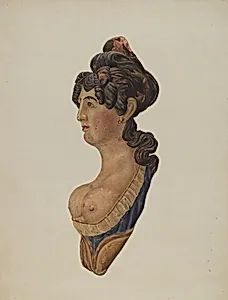
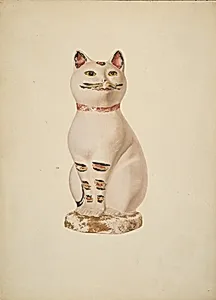
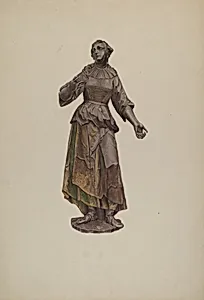
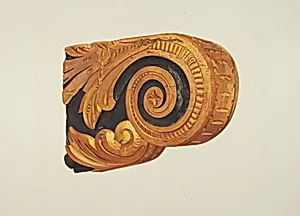
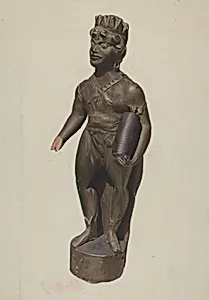
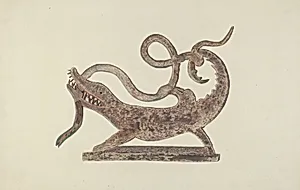
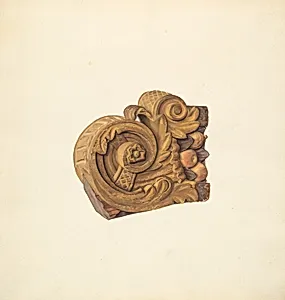
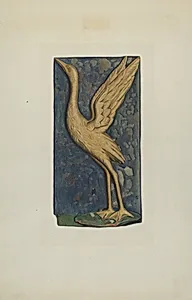
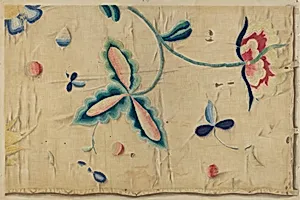
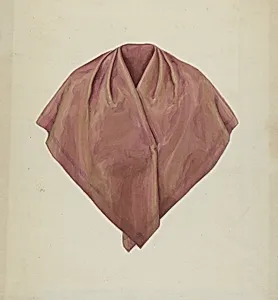
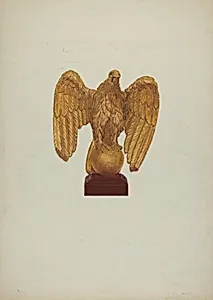
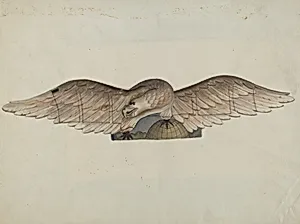
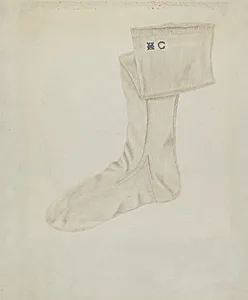
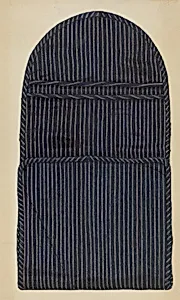
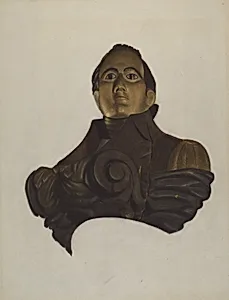
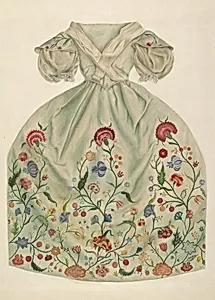
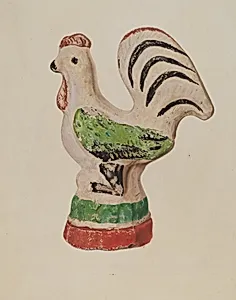
Fuerst's style emphasized hyper-realistic detail, rendering three-dimensional objects with lifelike shading and material fidelity on paper or paperboard, often highlighting the handmade quirks of folk artisans. Among her notable works in the National Gallery of Art's collection are *Dalmatian* (1935/1942), a spirited depiction of a wooden toy dog; *Chalkware Cat* (c. 1940) and *Chalkware Rooster* (1940), playful molded plaster figures; and *Female Figurehead* (c. 1939), showcasing intricate nautical carvings. She also illustrated Shaker artifacts like *Shaker Woman's Stocking* (c. 1936), *Shaker Kerchief* (c. 1936), and *Shaker Case* (1935/1942), as well as maritime elements such as *Stern Board* (c. 1936), *Billethead* (c. 1939), and *Carved Stork* (c. 1938). These pieces, totaling 26 in prominent collections, reveal her fascination with functional beauty in American material culture.
Though her postwar life remains sparsely recorded, Fuerst's contributions endure through the Index, which influenced mid-century design revival and appreciation for regional crafts. Housed in institutions like the National Gallery of Art, her watercolors educate modern viewers on the ingenuity of anonymous makers, bridging historical craft with contemporary art history.