Ctrl K
1783–1831
Occupations
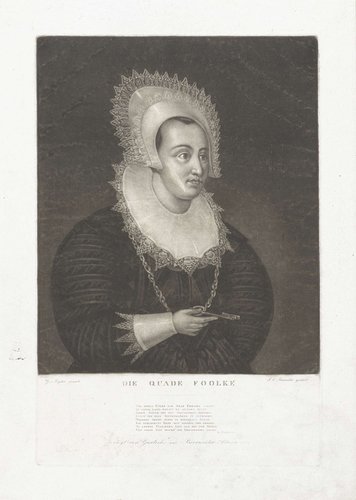
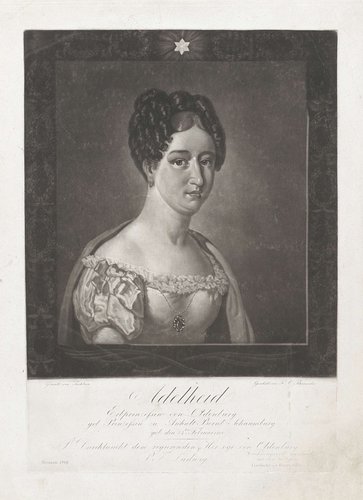
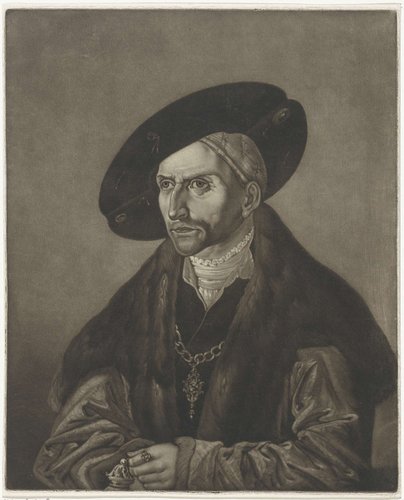
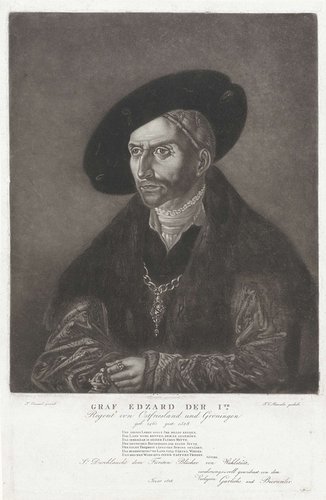
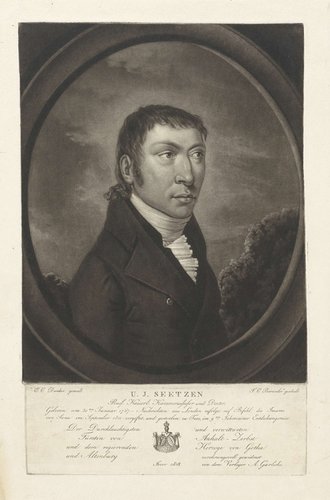
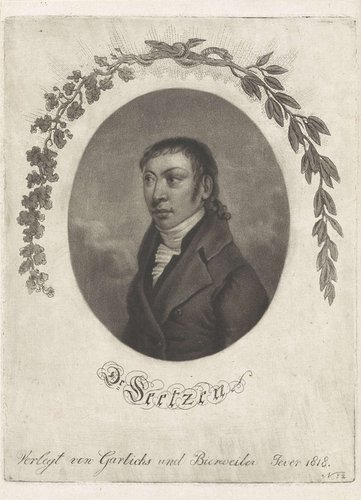
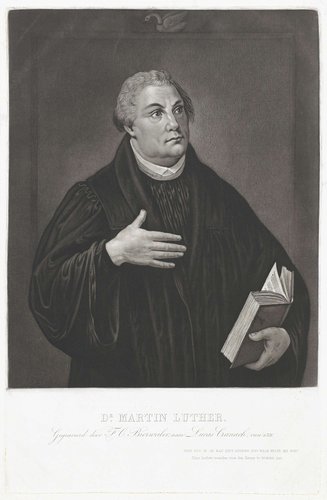
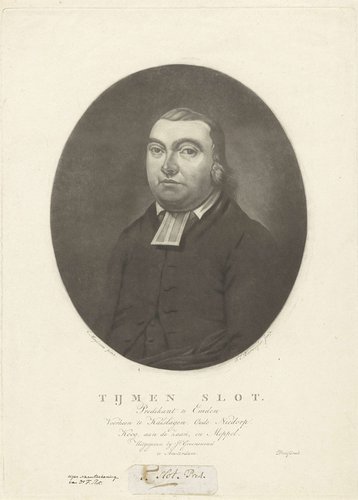
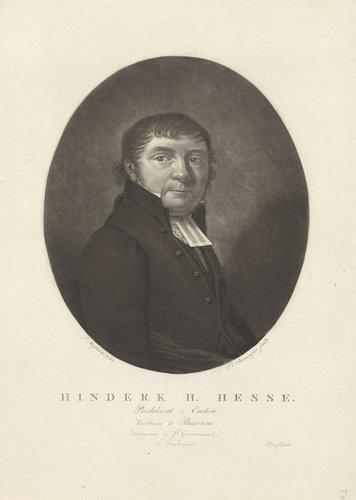
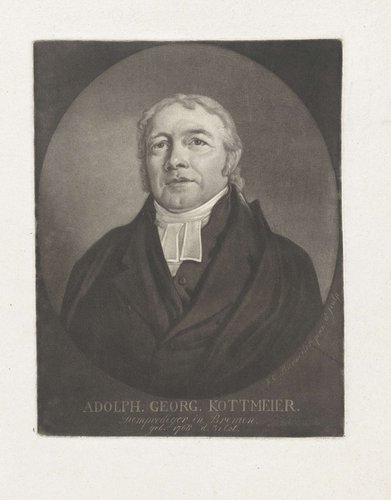
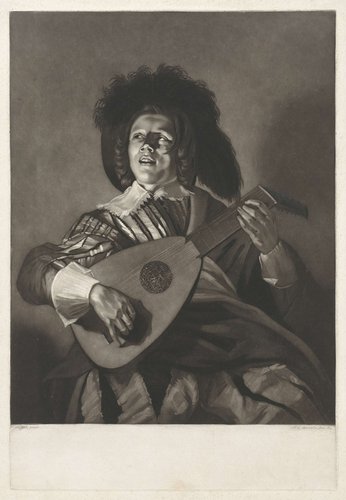
Frederik Christiaan Bierweiler (1783–1831) was a Dutch painter, draughtsman, printmaker, and publisher active in Amsterdam during the early nineteenth century. Born in Amsterdam in 1783 and dying in the same city in 1831 at age 48, Bierweiler pursued a multifaceted artistic career that encompassed painting, printmaking in both mezzotint and etching techniques, and publishing his own prints. His work demonstrates the versatility expected of professional artists in this period, who often needed to master multiple media and manage their own publishing operations to sustain themselves economically. Bierweiler's artistic output focused primarily on religious subjects, creating devotional images suitable for both Catholic and Protestant markets in the Netherlands. Among his known works are prints depicting biblical scenes including 'De Begraving' (The Burial), 'De Geboorten' (The Nativity), 'De Kruisiging' (The Crucifixion), and 'De Hemelvaart' (The Ascension), all demonstrating his facility with traditional Christian iconography. His print titled 'De Hemelvaart,' created around 1820 using a combination of mezzotint and etching techniques on cream laid paper, exemplifies his technical approach—employing mezzotint's tonal capabilities for atmospheric effects while using etching's linear precision for definition and detail. In addition to religious subjects, Bierweiler created works after other artists, functioning in the important role of reproductive printmaker. His 1803 mezzotint after Frans Hals demonstrates both his technical skill and his engagement with reproducing works from the Dutch Golden Age for contemporary audiences. He also created landscape subjects, including a 1815 view titled 'Vue du Pavillon de Harlem, prise vis a vis de Bois.' Works by Bierweiler are held in the collections of the Rijksmuseum and the Yale Center for British Art, ensuring their preservation and accessibility to modern scholarship. His relatively short life—he died at 48—suggests an active but abbreviated career that nonetheless left a substantial record of printmaking achievement.
Frederik Christiaan Bierweiler was born in Amsterdam in 1783, during a period of political turbulence in the Netherlands. His birth came shortly before the formal end of the Dutch Republic (1795) and the beginning of French influence that would culminate in the Kingdom of Holland under Napoleon's brother Louis Bonaparte (1806–1810).
Details of Bierweiler's family background and early training remain sparse. However, his later accomplishments in both mezzotint and etching suggest systematic instruction in printmaking techniques—specialized skills that required formal apprenticeship to master. Amsterdam, as the Netherlands' largest city and commercial capital, offered opportunities for artistic training through both formal academies and individual master-apprentice relationships.
Mezzotint engraving, one of Bierweiler's primary techniques, was particularly demanding. It required learning to use the mezzotint rocker—a specialized tool with a serrated edge used to roughen the copper plate uniformly—and then employing scrapers and burnishers to create tonal gradations by selectively smoothing areas of the roughened surface. This technique had been developed in the seventeenth century and was particularly valued for reproducing paintings because it could suggest tonal values rather than relying purely on linear effects.
Etching, Bierweiler's other primary technique, involved coating a copper plate with acid-resistant ground, scratching through the ground with etching needles to expose the copper, then immersing the plate in acid that bit into the exposed areas. This process required understanding of chemistry, timing, and the relationship between depth of bite and printing darkness.
By 1803, at age twenty, Bierweiler had achieved sufficient proficiency to create a technically accomplished mezzotint after Frans Hals, demonstrating both his mastery of the medium and his engagement with reproducing Dutch Golden Age masterworks.
During the first two decades of the nineteenth century, Bierweiler established himself as a professional printmaker and publisher in Amsterdam. This period saw him develop his characteristic focus on religious subjects, creating devotional images that served the continuing market for Christian imagery despite the Enlightenment's challenges to traditional religion.
Religious printmaking in early nineteenth-century Netherlands served multiple functions. Devotional images for home display remained common among both Catholic and Protestant families. Such prints provided affordable alternatives to painted religious images and served as aids to prayer and meditation. The market for these prints extended beyond wealthy collectors to include middle-class households seeking appropriate decoration and spiritual reinforcement.
Bierweiler created a series of prints depicting central Christian narratives: Christ's birth, crucifixion, burial, and ascension. These subjects drew on centuries of Christian iconographical tradition while adapting visual conventions to contemporary aesthetic sensibilities. His treatment balanced traditional devotional function with artistic quality, creating images that were both spiritually meaningful and aesthetically accomplished.
His technical approach combined mezzotint's capacity for creating atmospheric effects with etching's linear definition. This hybrid technique allowed him to achieve both the soft, gradated tones suitable for depicting divine light and heavenly atmospheres and the crisp definition necessary for rendering figures and architectural details clearly.
In 1815, Bierweiler created 'Vue du Pavillon de Harlem, prise vis a vis de Bois,' demonstrating his versatility in subject matter beyond religious themes. This topographical view showed his ability to handle landscape subjects and his engagement with documenting Dutch architectural and urban subjects—work that connected to the broader tradition of Dutch topographical printmaking.
As a publisher, Bierweiler managed the commercial aspects of his printmaking, investing in copper plates, paper, and printing supplies, overseeing the printing process, and arranging for distribution and sale of his works. This entrepreneurial dimension was essential to sustaining a career as a printmaker, particularly for someone working in religious subjects that needed to be priced affordably to reach their intended devotional market.
Around 1820, Bierweiler created 'De Hemelvaart' (The Ascension), a print executed in mezzotint and etching on cream laid paper that represents his mature technical approach. This work depicted the Ascension of Christ, showing the resurrected Christ ascending to heaven while disciples below watched in awe—a subject rich in iconographical tradition and demanding in its technical requirements.
The composition required managing multiple levels—the earthly realm where disciples gathered, the intermediate space through which Christ ascended, and the heavenly realm toward which he moved. Bierweiler employed mezzotint's tonal capabilities to create atmospheric effects suggesting the divine light and cloud-filled sky, while using etching to define the figures of Christ, angels, and disciples with clarity.
This period also saw Bierweiler continue producing other religious subjects and possibly reproductive prints, though the specific chronology and full extent of his output remain incompletely documented. The challenge facing researchers of Bierweiler's work is that many prints may have circulated primarily in devotional contexts rather than artistic ones, and thus have received less systematic cataloguing than works by artists operating primarily in the fine art market.
Frederik Christiaan Bierweiler died in Amsterdam in 1831 at age 48, ending a career that had spanned approximately three decades. The cause of his relatively early death has not been documented, though epidemics, accidents, and chronic health conditions frequently claimed lives in early nineteenth-century urban environments.
His legacy resides in the corpus of prints he created, particularly his religious subjects that served devotional purposes for Dutch Christian communities. Works held at the Rijksmuseum and Yale Center for British Art ensure that examples of his printmaking remain accessible to modern scholarship. These institutions' holdings demonstrate that Bierweiler's work has been recognized as historically and artistically significant, meriting preservation in major public collections.
Bierweiler represents a type of artist common in the early nineteenth century but often underrepresented in art historical narratives focused on innovation and avant-garde developments. He was a skilled craftsman working in established traditions, creating images that served social and devotional functions while demonstrating technical accomplishment. His multifaceted practice—combining different printmaking techniques, serving as his own publisher, and creating both religious and secular subjects—exemplifies the practical versatility required of professional artists in this period.
Artheon Research Team
Last updated: 2025-11-09
Biography length: ~1,612 words
Wikidata (CC0); Getty ULAN (ODC-By)