Ctrl K
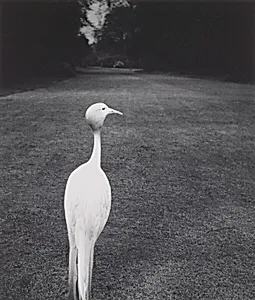
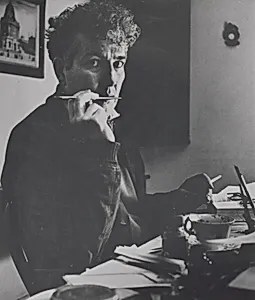
Bill Brandt (1904–1983) was born in Hamburg and spent his early years in Germany, though he later claimed a South London birth and cultivated an identity as a quintessentially British photographer. As a young man he suffered from tuberculosis, which required a lengthy stay in a Swiss sanatorium, and it was during his convalescence that his interest in photography deepened. In 1929 he traveled to Paris, where he worked briefly as an assistant in the studio of Man Ray—an encounter that exposed him to the full range of Surrealist ideas about the photograph as a medium capable of transforming the familiar into something strange and disquieting. He settled in London in 1931 and began his career as a documentary photographer.
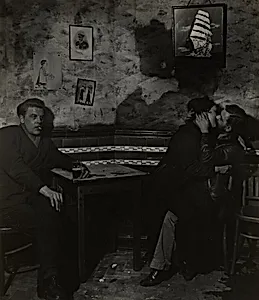
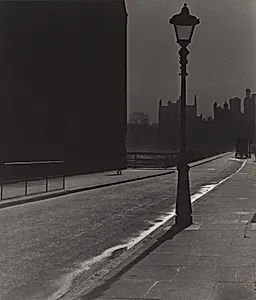
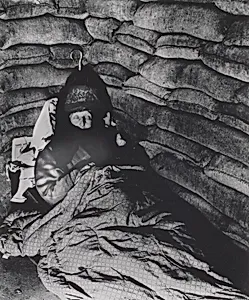
In the years before the Second World War, Brandt produced his most celebrated early work: a systematic exploration of British society across class divisions, from the drawing rooms of the wealthy to the back streets of working-class industrial cities in the north of England. These images were published in two books—The English at Home in 1936 and A Night in London in 1938—that established him as an acute observer of the social landscape. During the war, he was commissioned by the Ministry of Information to document London during the Blitz, photographing citizens sheltering in the Underground and the city's streets under blackout conditions, producing images of quiet drama and historical gravity.
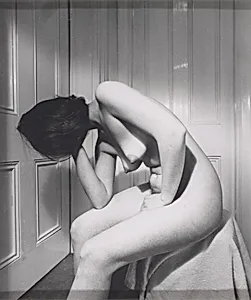
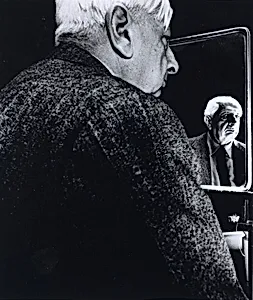
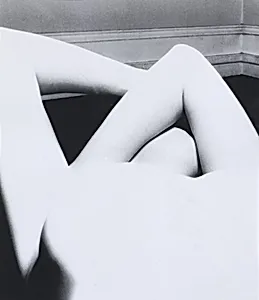
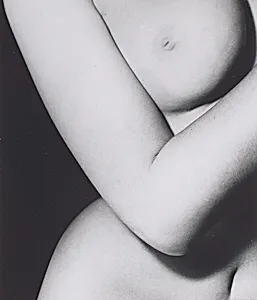
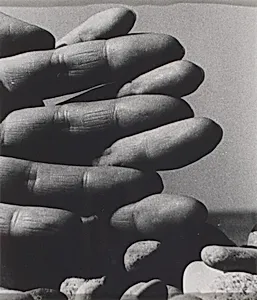
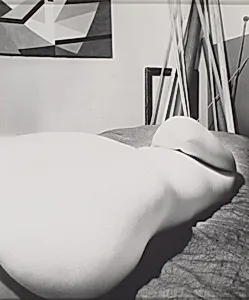
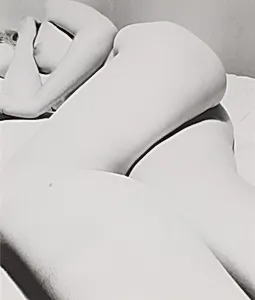
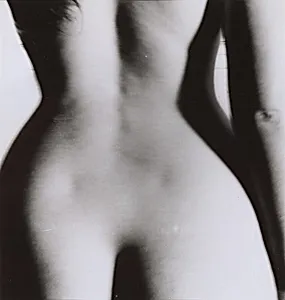
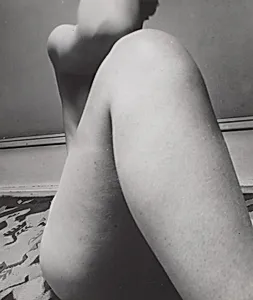
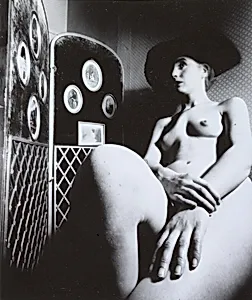
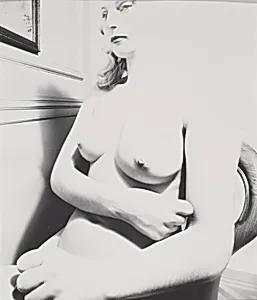
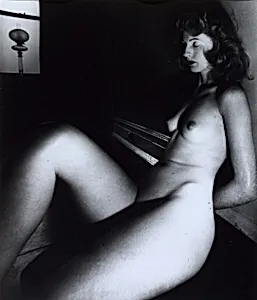
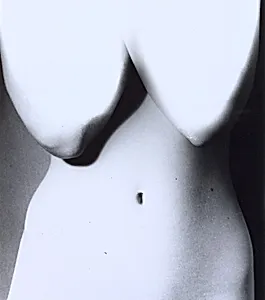
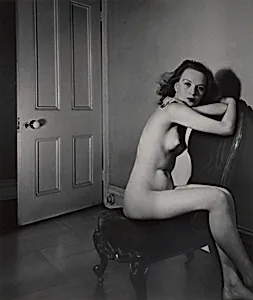
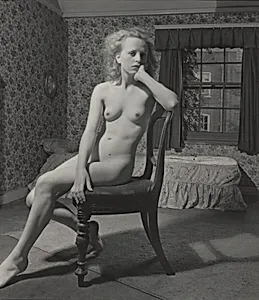
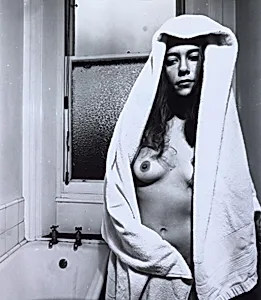
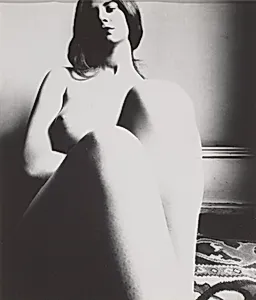
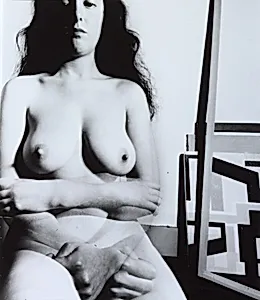
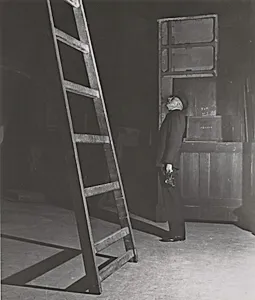
After the war Brandt turned increasingly to a different kind of photography: tightly focused studies of the nude figure taken with a wide-angle lens that dramatically distorts perspective, producing images in which bodies appear monumental, architectural, and dreamlike. These nudes, many photographed against the stone of ancient sites or the pebbled beaches of the English coast, drew on his Surrealist formation while achieving an aesthetic entirely his own. He also produced literary portraits, landscape studies, and a long series of photographs of British writers and artists in their environments.
Brandt became the most internationally recognized British photographer of the twentieth century, and his work has been exhibited and published continuously since his death in 1983. Posthumously inducted into the International Photography Hall of Fame in 1984, he is celebrated for a practice that moved fluidly between documentary precision, lyrical mood, and formal experiment—a career that helped define what photography could accomplish as an art form.