Ctrl K
1838–1922
Occupations
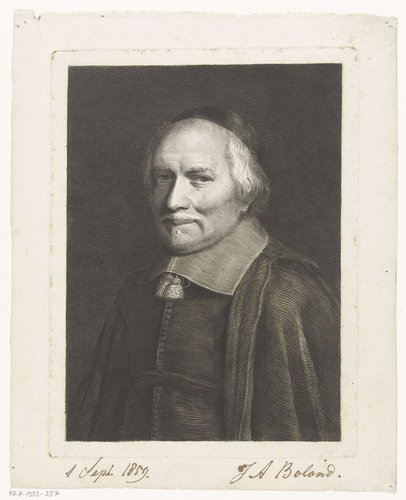
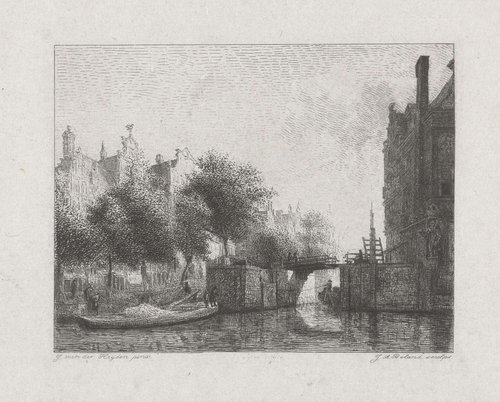
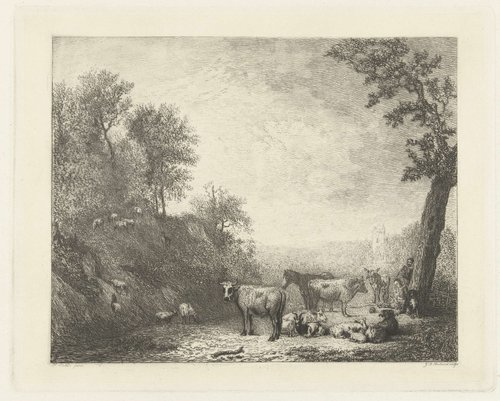
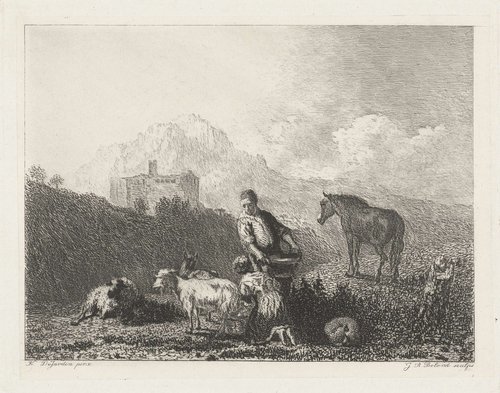
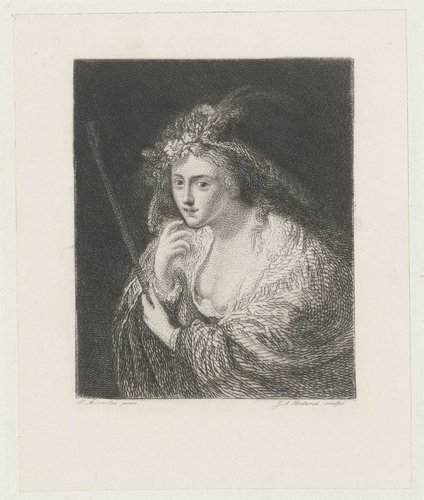
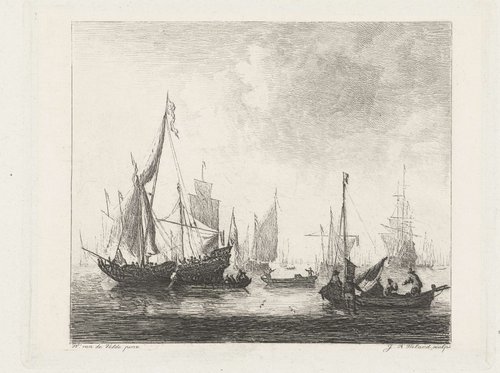
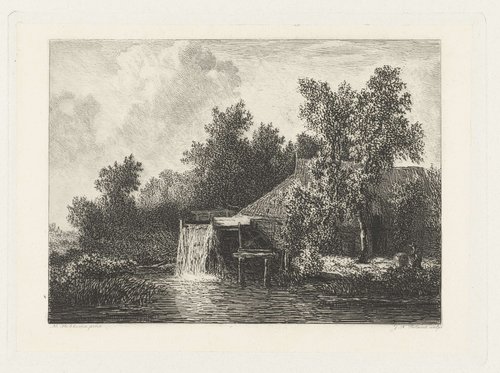
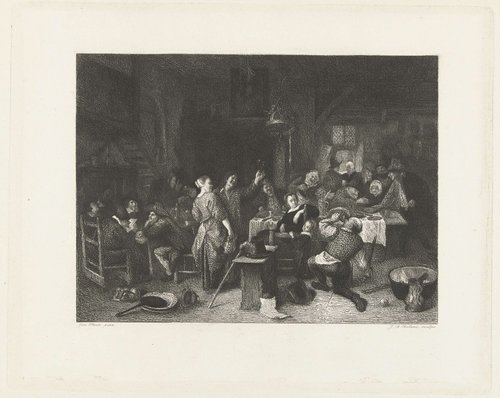
Johannes Arnoldus Boland (1838–1922) was a Dutch etcher and engraver who played a significant role in the 19th-century etching revival in the Netherlands while serving as a restorer at the Rijksmuseum in Amsterdam for over three decades. Born on December 19, 1838, in Geesteren, a small town in the eastern Netherlands, Boland dedicated his career to both preserving and creating art, embodying the dual role of conservator and practicing artist that characterized many museum professionals of his era. His work as an etcher focused on reproductive prints after Old Masters, making important Dutch paintings accessible through high-quality engravings that served both scholarly and commercial purposes. Boland's training under Nicolaas Pieneman, one of the Netherlands' most prominent history painters and director of the Royal Academy of Art in Amsterdam, provided him with solid academic foundations in drawing and composition. However, Boland's true calling lay in the meticulous craft of etching and engraving rather than painting. His technical skill in translating painted works into prints earned him recognition as a significant figure in the Dutch etching revival—a movement that sought to elevate printmaking to fine art status and revive traditional techniques that had fallen into decline. From 1886 until his retirement in 1917, Boland held the position of restorer at the Rijksmuseum, one of the world's great art museums. This role gave him intimate knowledge of masterworks in the collection and allowed him to study techniques of Old Masters firsthand—knowledge that informed his own reproductive prints. His dual career as museum professional and practicing artist exemplifies the 19th-century integration of scholarship, conservation, and artistic creation. When he died in Amsterdam on December 30, 1922, at age 84, Boland left behind a body of work that preserved images of important Dutch paintings and contributed to the revival of etching as a respected artistic medium.
Johannes Arnoldus Boland was born on December 19, 1838, in Geesteren, a small town in the province of Overijssel in the eastern Netherlands. Little is known of his family background or early life, but his later career suggests access to education and cultural opportunities that fostered his artistic development.
Boland received training from Nicolaas Pieneman (1809–1860), one of the most distinguished Dutch painters of the mid-19th century. Pieneman was renowned for his large-scale history paintings and served as director of the Royal Academy of Art in Amsterdam, making him one of the most influential figures in Dutch artistic education.
Under Pieneman's instruction, Boland would have received thorough academic training in drawing, composition, and the principles of painting. Pieneman's emphasis on historical subjects, careful preparation, and technical precision would have shaped Boland's approach to art, even though Boland ultimately focused on printmaking rather than painting.
The decision to specialize in etching and engraving rather than painting was significant. In the mid-19th century, printmaking was experiencing a revival after decades of decline, as artists and critics sought to elevate it from mere mechanical reproduction to recognized fine art. Boland's choice to work in this medium aligned him with this broader movement.
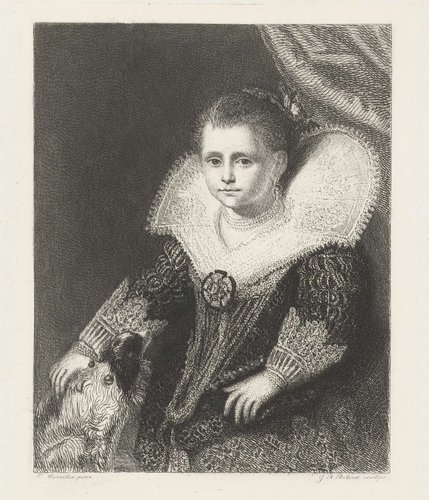
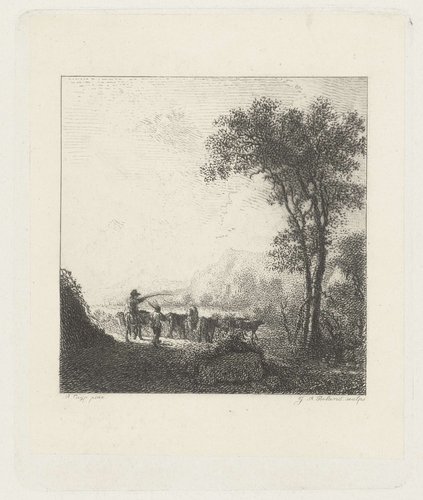
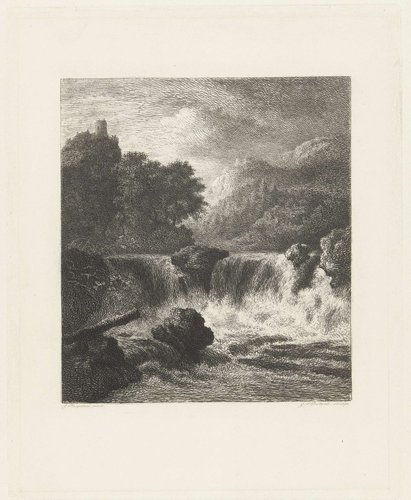
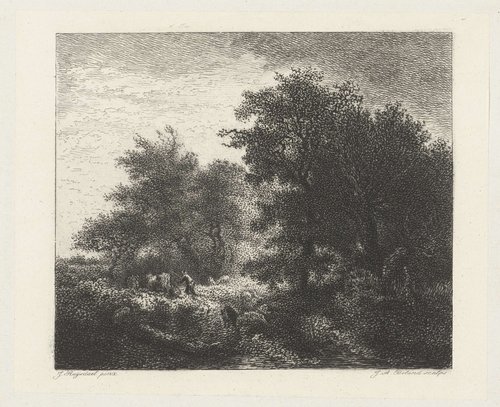
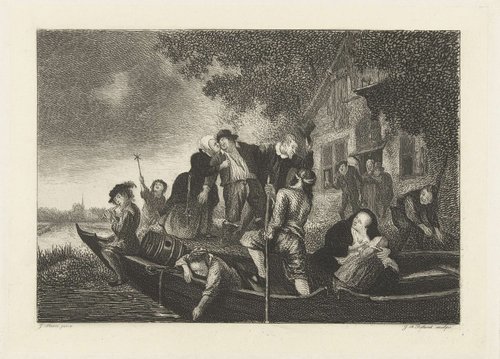
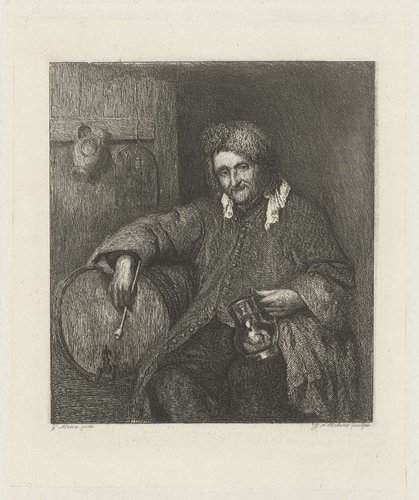
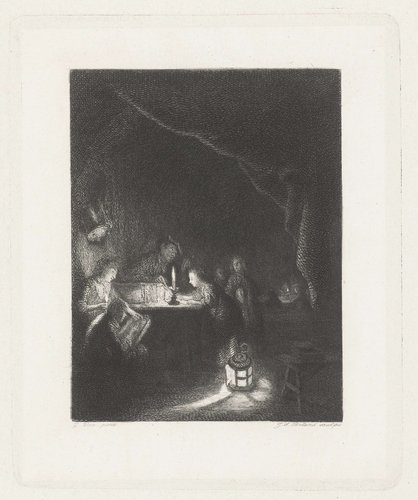
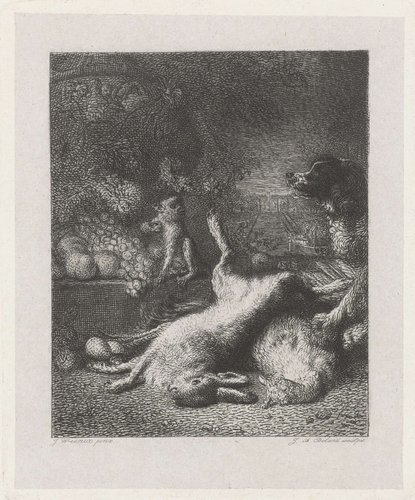
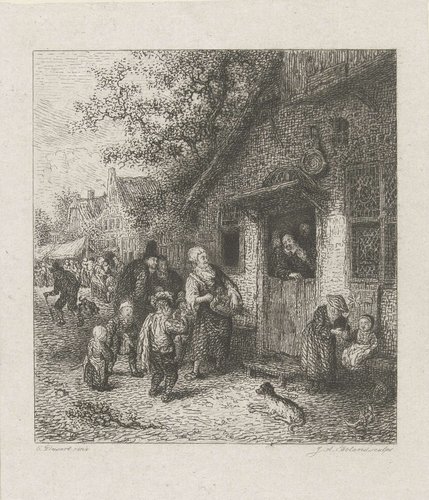
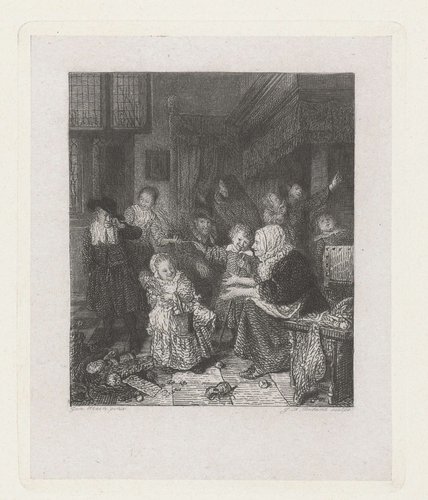
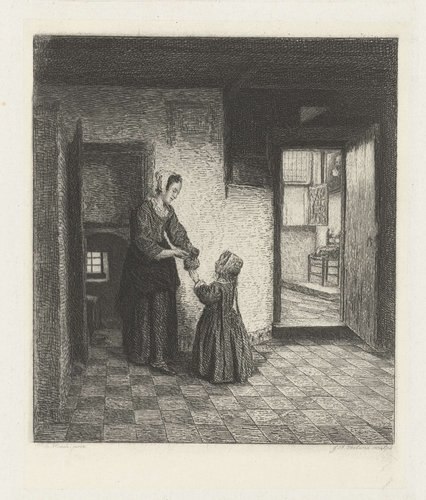
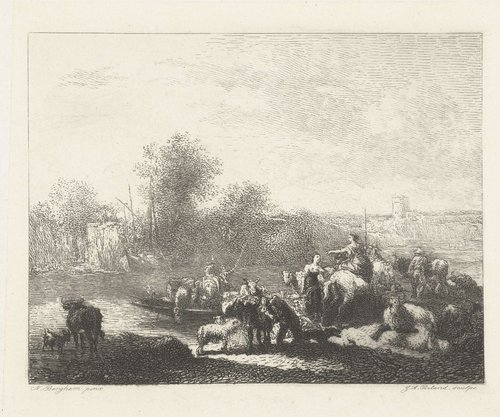
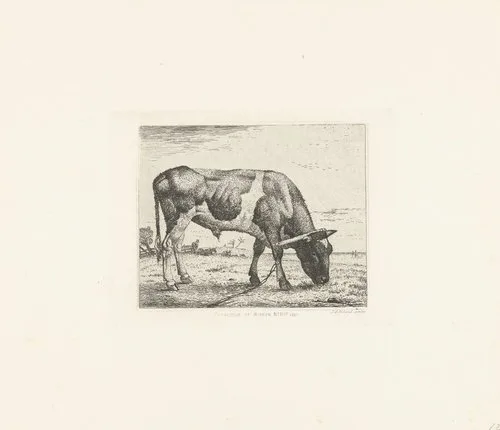
During the 1860s through 1880s, Boland established himself as a skilled etcher and reproductive engraver. His work focused primarily on creating prints after paintings by Old Masters, particularly Dutch Golden Age artists whose works were increasingly celebrated as national treasures during this period of growing Dutch cultural nationalism.
The 19th-century etching revival, which spread across Europe and America, emphasized etching as an original art form rather than merely a reproductive technique. However, reproductive etching—translating paintings into prints—remained commercially important and artistically respected when executed with high quality. Boland excelled in this specialized field.
His etchings required intimate knowledge of the original paintings, careful study of technique and composition, and exceptional skill in translating color and tone into the linear language of etching. The goal was not slavish copying but rather creative interpretation that captured the essence and character of the original in a different medium.
Boland's reputation grew within Dutch artistic and scholarly circles. His prints served multiple markets: collectors who valued fine etchings, scholars who needed visual documentation of artworks, and institutions building teaching collections. The quality of his work earned him recognition as one of the leading figures in the Dutch etching revival.
In 1886, Boland was appointed as a restorer at the Rijksmuseum in Amsterdam, a position he would hold until his retirement in 1917 at age 79. This appointment recognized both his artistic skills and his knowledge of painting techniques—essential qualifications for conservation work.
The Rijksmuseum, established in its current location in 1885, housed one of the world's great collections of Dutch and European art. As a restorer, Boland would have worked on paintings by masters including Rembrandt, Vermeer, Frans Hals, and other giants of Dutch art. This hands-on experience with masterworks deepened his understanding of Old Master techniques.
His role combined practical conservation work—cleaning, repairing, and stabilizing paintings—with the scholarly knowledge of materials, techniques, and art history. In the late 19th century, conservation was becoming more scientific and systematic, moving away from earlier interventionist approaches toward greater respect for original materials and techniques.
Boland's museum work complemented his artistic practice. The deep knowledge of paintings gained through restoration informed his etchings, while his skills as an etcher enhanced his understanding of artistic technique. This integration of conservation and creation exemplified the 19th-century museum professional who combined practical, scholarly, and artistic capabilities.
Throughout these decades, Boland continued producing etchings, now with even greater access to important works in the Rijksmuseum collection. His prints served the museum's educational mission by making images of collection masterpieces available to broader audiences. In an era before photographic reproduction was refined, quality etchings remained important for art education and scholarship.
Boland retired from the Rijksmuseum in 1917 at age 79, after more than three decades of service. His retirement coincided with the final years of World War I, which brought significant challenges to the Netherlands despite its neutrality. Economic disruption, food shortages, and social tensions marked these difficult years.
The post-war period saw Boland witnessing enormous changes in both art and society. The rise of modernist movements, the trauma of the war, and social upheavals were transforming European culture in ways that must have seemed radical to someone trained in mid-19th-century academic traditions.
Johannes Arnoldus Boland died in Amsterdam on December 30, 1922, at age 84, just eleven days after his birthday. He had lived through profound transformations in Dutch society, art, and culture, maintaining throughout his life dedication to the traditional craft of etching and the preservation of artistic heritage.
Artheon Research Team
Last updated: 2025-11-09
Biography length: ~1,134 words
Wikidata (CC0); Getty ULAN (ODC-By)