Ctrl K
Herman Stahmer (1857–1894) was a leading American draftsman renowned for his exquisite designs of luxury carriages created during his tenure at Brewster & Co., one of the preeminent carriage manufacturers of the Gilded Age. Born on May 8, 1857, in College Point, New York, Stahmer joined Brewster & Co. in New York at age 19 as an assistant in the drafting room around 1876. He quickly rose to chief draftsman following the death of his predecessor, becoming the head designer during the firm's most productive years. To hone his skills, he attended Albert Dupont's drawing school in Paris for three months and undertook four extended European study trips, visiting cities including Vienna, Berlin, London, and Brussels. These experiences informed his precise, artistic renderings, blending technical accuracy with elegant flair characteristic of high-end carriage drafting.
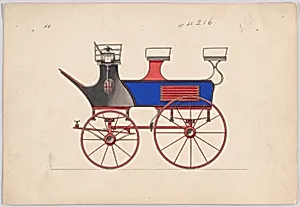
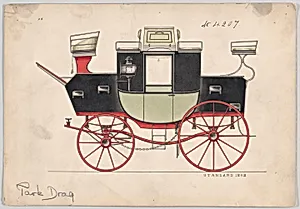
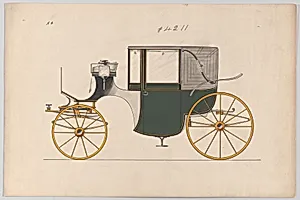
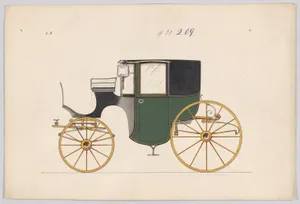
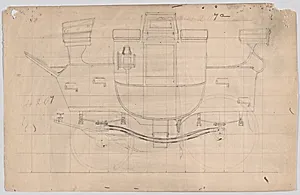
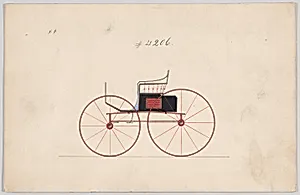
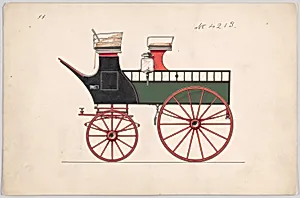
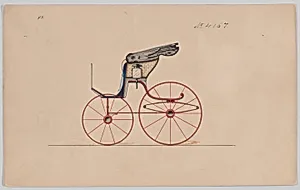
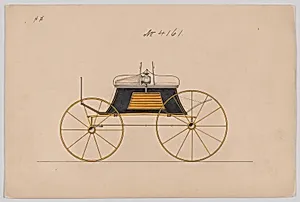
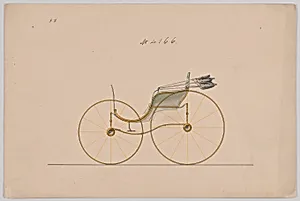
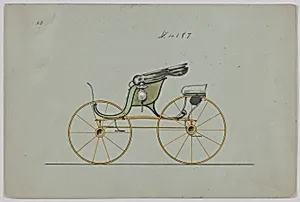
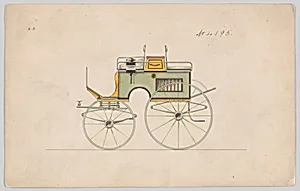
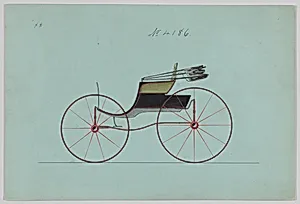
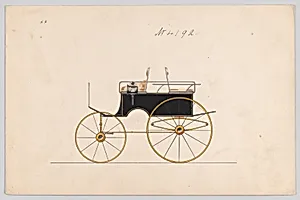
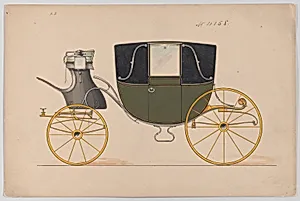
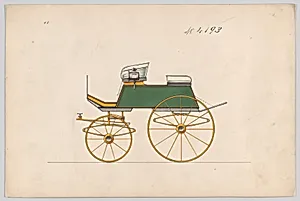
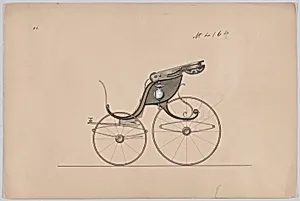
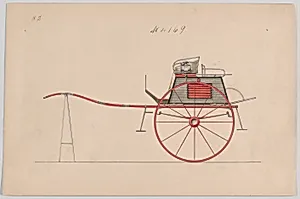
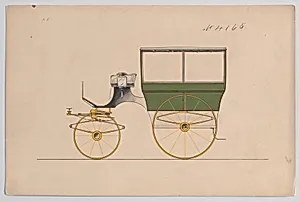
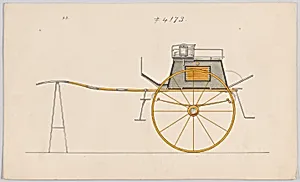
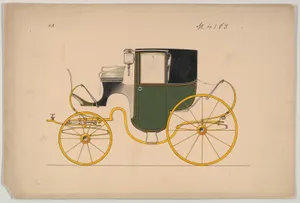
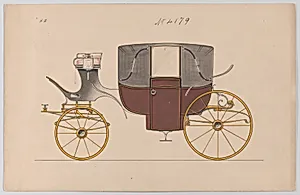
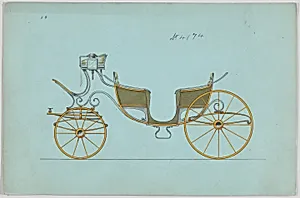
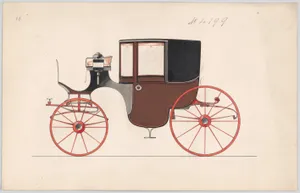
Stahmer worked within the tradition of the Carriage Builders and Designers Technical School, established in 1880 and initially housed at the Metropolitan Museum of Art, where colleague John Gribbon later taught. His meticulously detailed drawings, executed in pen and black ink with watercolor, gouache, gum arabic, and occasionally metallic accents, captured bespoke vehicles for elite clients like J.P. Morgan, Henry Clay Frick, and Alfred Gwynne Vanderbilt. Notable examples include *Design for Dos-a-dos Phaeton, no. 4177* (1892), *Brougham #4063* (1890), *Design for Brougham, no. 4128* (1891), and the *Annual Exhibition of Carriages* poster (1886, attributed). These designs were showcased at international expositions, including the Paris Exposition of 1879 and the 1893 Columbian World's Fair, earning acclaim from American and European builders.
Founded in 1810 by James Brewster in New Haven, Connecticut, with a New York showroom opening in 1827, Brewster & Co. epitomized American craftsmanship, employing 400 workers by 1874 and winning the Legion d’Honneur at the 1878 Paris Exposition. Stahmer collaborated alongside draftsmen Paul Steinbeck, whom he mentored, and others in producing innovative phaetons, victorias, sleighs, and broughams. Tragically dying at 37 on March 23, 1894, Stahmer's legacy endures through the firm's archive—over 2,000 drawings donated to the Metropolitan Museum of Art by final owner William Brewster—including 264 works attributed to him or the firm in major collections. His contributions bridged 19th-century opulence and emerging automotive design, preserving a golden era of equine elegance.