Ctrl K
1863–1891
**J. H. Hobbs, Brockunier and Company**, a pioneering American glass manufacturer, traces its origins to 1845 when John L. Hobbs and James B. Barnes, both former supervisory employees at the prestigious New England Glass Company in Massachusetts, leased the idle South Wheeling Glass Works in what is now Wheeling, West Virginia. After several reorganizations amid partner changes—including the addition of Charles W. Brockunier as bookkeeper—the firm became J. H. Hobbs, Brockunier and Company in 1863 under John H. Hobbs, son of the founder, with Brockunier and chemist William Leighton Sr. as key partners. Renamed Hobbs, Brockunier and Company in 1881 following John L. Hobbs's death and reincorporated as Hobbs Glass Company in 1888, it operated until joining the United States Glass Company trust in 1891, with the works closing in 1893. The expansive factory, adjacent to the B&O Railroad, grew to employ up to 650 workers across 32-pot furnaces, producing tableware, lamps, chandeliers, and bar goods shipped worldwide.
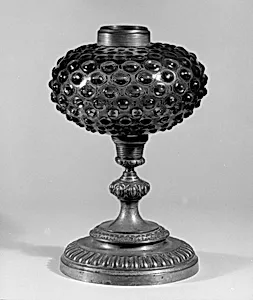
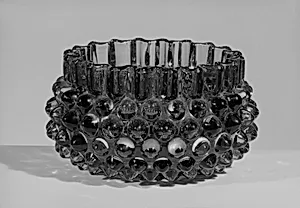
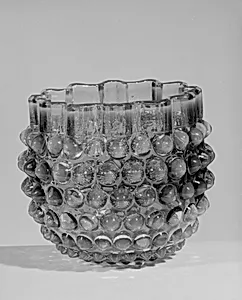
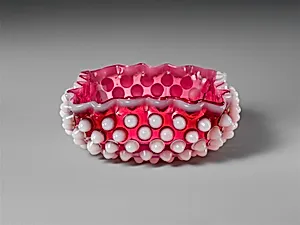
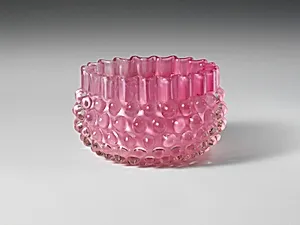
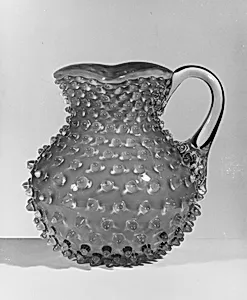
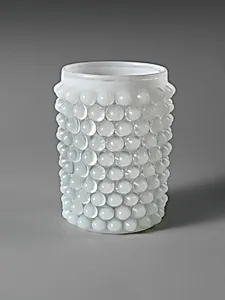
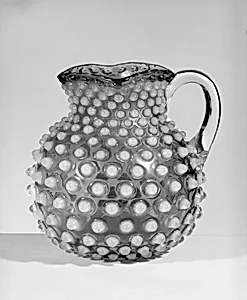
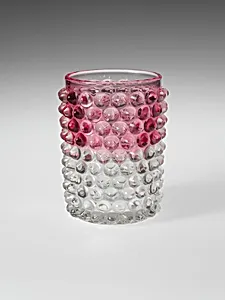
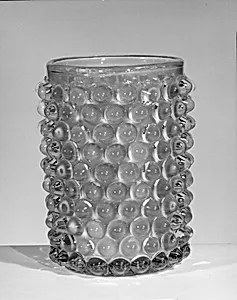
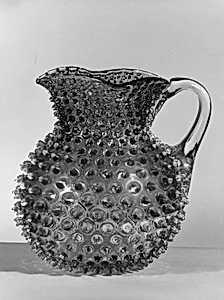
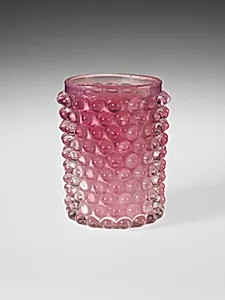
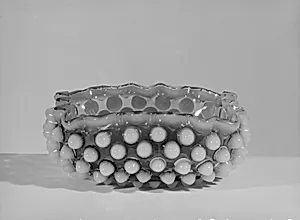
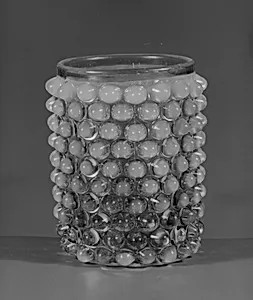
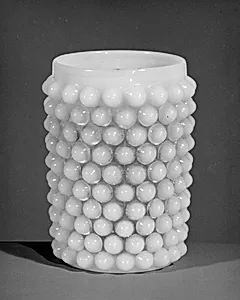
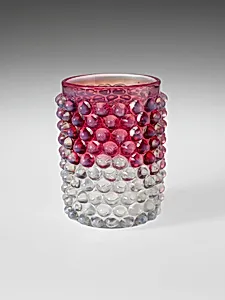
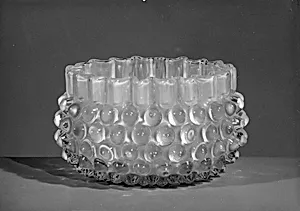
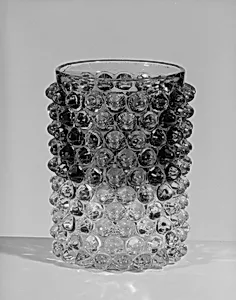
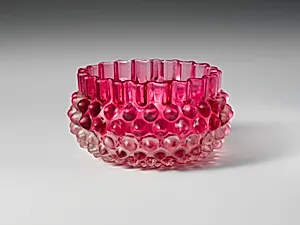
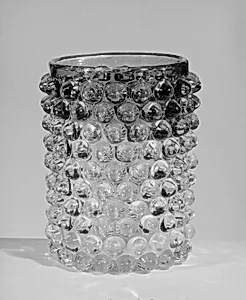
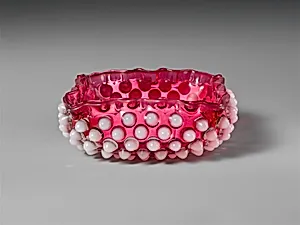
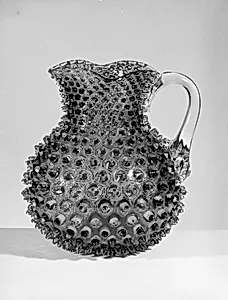
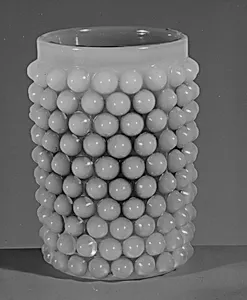
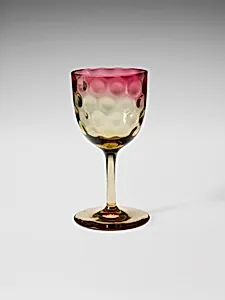
The company worked in the American pressed glass tradition, excelling in flint, lime, and opalescent wares that democratized luxury for Victorian households. A breakthrough came in 1864 when William Leighton Sr. developed an improved soda-lime glass formula using bicarbonate of soda, slashing costs by 25% and replacing costly lead flint glass—hailed as one of the century's great advances. By the 1880s, Hobbs, Brockunier innovated heat-sensitive colored glasses like Rubina Verde, Ruby Amber, and their signature Peachblow (or Coral Ware), a white opal base coated in amber shading to ruby, inspired by a famous Chinese porcelain vase auctioned in 1886. They patented an enhanced opalescent pressing method in 1886 (No. 343,133) by William Leighton Jr. and William F. Russell, yielding the iconic Hobnail (No. 323, aka Dewdrop) pattern with projecting nodules in at least 18 colors. Notable works include the Peach Blow Vase (1886–1890, Metropolitan Museum of Art), mimicking imperial glazes, and the Hobnail Celery Vase (1886–1900, also at the Met), showcasing translucent bodies with opaque bumps.
At its peak in 1886, the firm produced nearly every glass type except bottles and window glass, generating massive output from its gas-fired furnaces—the largest in the U.S. Its legacy endures through a skilled workforce that spawned over 20 glass factories, including Fostoria, Seneca, and H. Northwood & Company on the old site; young employee Michael J. Owens revolutionized machine-blown glass there. Hobbs, Brockunier's affordable artistry influenced American decorative glass, blending industrial scale with aesthetic flair, and its 101 pieces in collections affirm its enduring appeal.