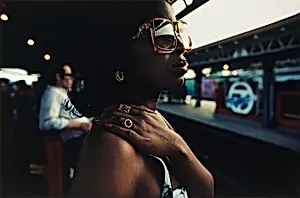
Bruce Davidson, born on September 5, 1933, in Oak Park, Illinois, to a Jewish family of Polish origins, discovered photography at age ten when his mother built him a darkroom in their basement.) A Kodak competition win at 16 fueled his passion, leading him to work as a stock boy at a local camera shop. He studied at the Rochester Institute of Technology starting in 1951 under Ralph Hattersley, honing skills with a Contax camera on subjects like the Lighthouse Mission. In 1955, he pursued graduate work at Yale University's School of Design, studying under Herbert Matter, Alexey Brodovitch, and Josef Albers; his thesis photo-essay *Tension in the Dressing Room*, capturing Yale football players, appeared in *Life* magazine that year.) Drafted into the U.S. Army Signal Corps soon after, Davidson served in Arizona and Paris, where he met Henri Cartier-Bresson, a pivotal influence, and produced the photo-essay *Widow of Montmartre* (1958).)
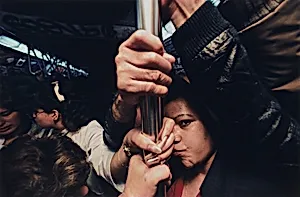
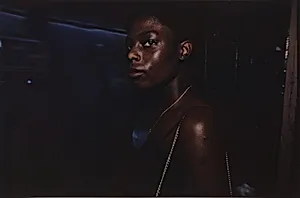
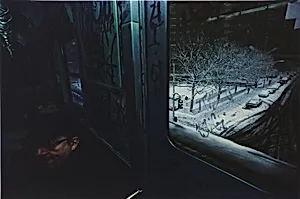
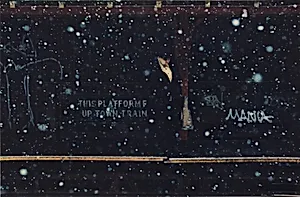
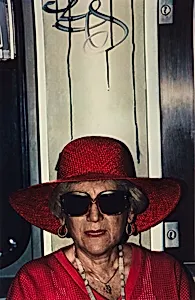
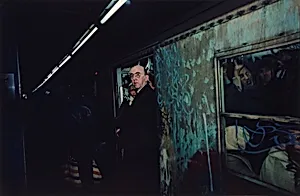
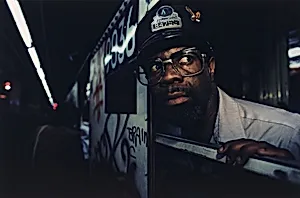
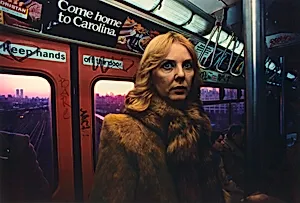
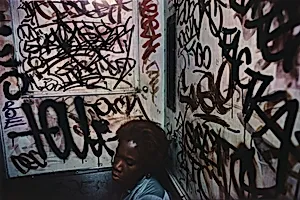
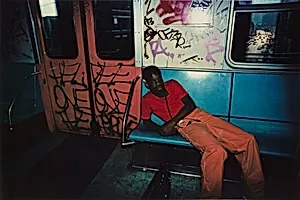
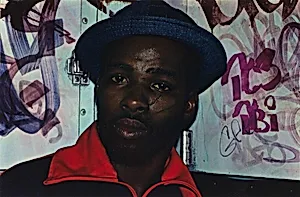
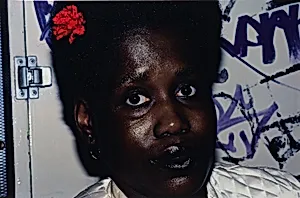
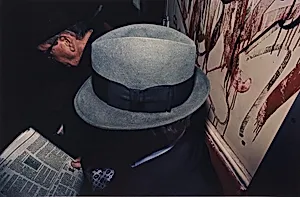
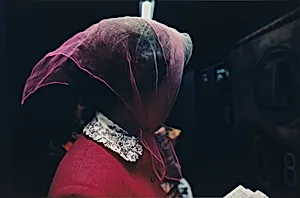
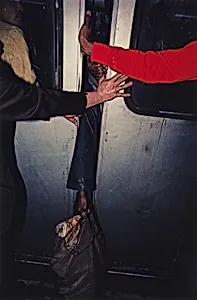
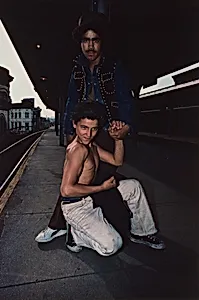
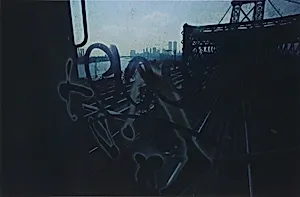
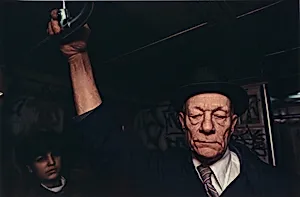
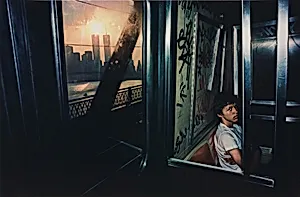
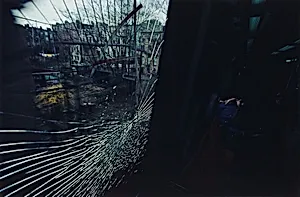
Joining Magnum Photos as an associate in 1958 (full member by 1959), Davidson immersed himself in New York's underbelly, creating the landmark *Brooklyn Gang* series (1959) after embedding with teenagers over 11 months—his wife Emily Haas later interviewed their leader for the 2012 book *Bobby's Book*.) A 1961 Guggenheim Fellowship enabled *Time of Change* (1961–1965), documenting the civil rights movement, including Freedom Riders. His *East 100th Street* (1966–1968), a two-year study of Harlem life using large-format cameras, culminated in a 1970 MoMA exhibition and book, blending photojournalism with artistry.) Later, *Subway* (1980–1982) portrayed New York straphangers in vivid color, while *Central Park* (early 1990s) explored urban nature.
Davidson's humanist documentary style—unembellished, empathetic portraits of marginalized communities—inherited influences from Cartier-Bresson, W. Eugene Smith, and Robert Frank, prioritizing "found" symbolism and insider access over artifice.) His oeuvre graces collections at MoMA, the Met, Whitney, and beyond, with 14 MoMA shows over decades. Awards like the Lucie (2004), ICP Infinity Lifetime Achievement (2018), and RPS Centenary Medal (2021) affirm his legacy as a pioneer of intimate social landscape photography, transforming subcultures into universal human narratives.)