Ctrl K
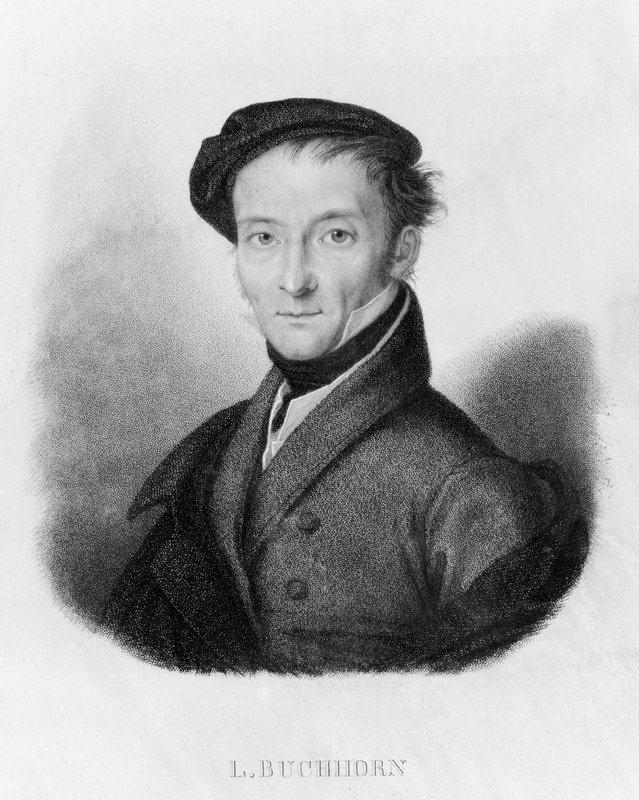
1777–1856
Occupations
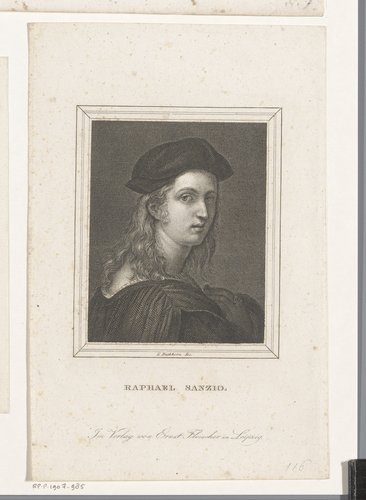
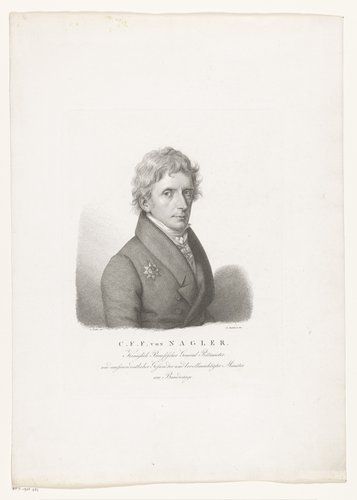
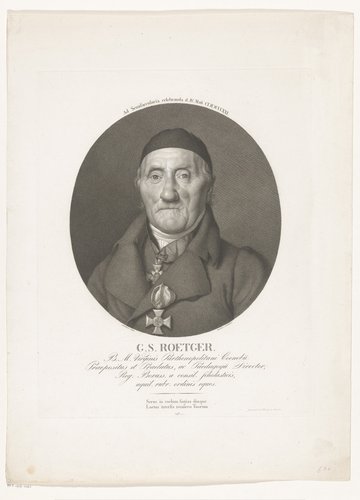
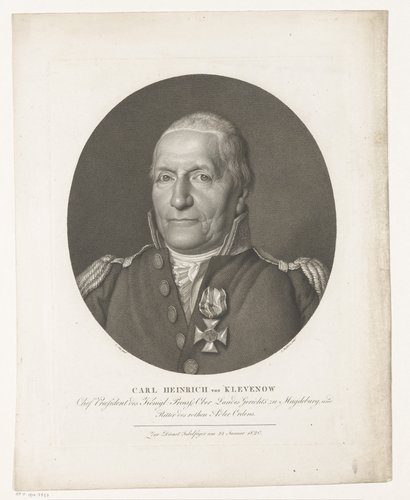
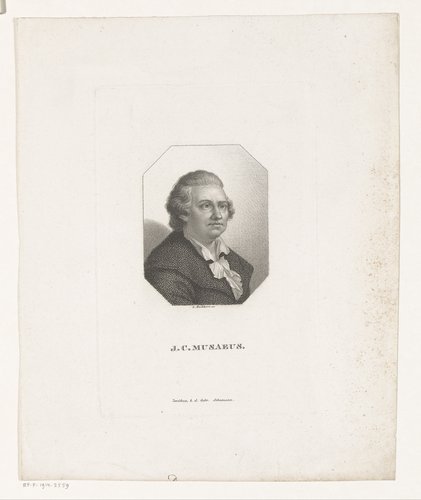
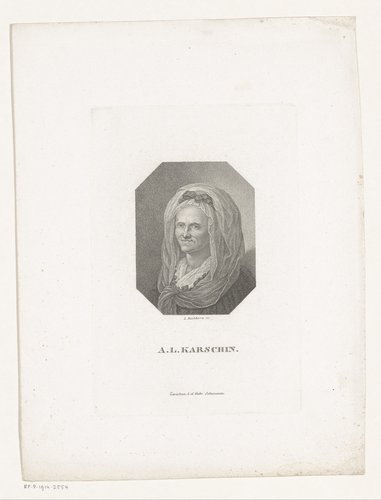
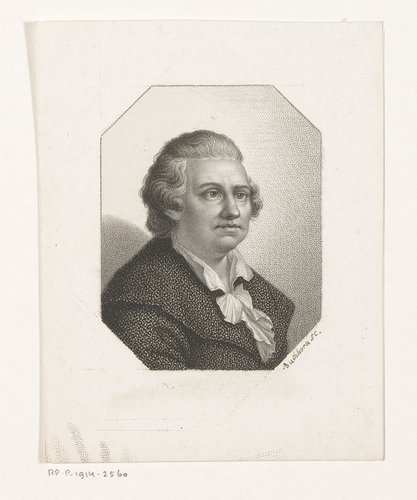
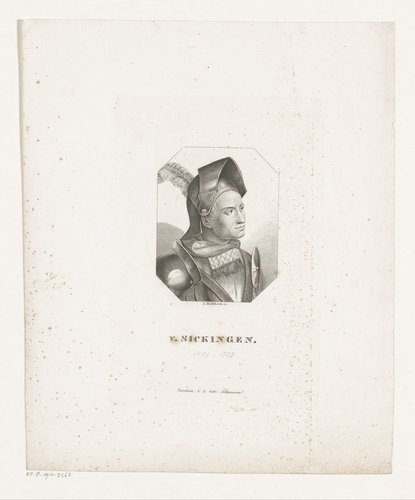
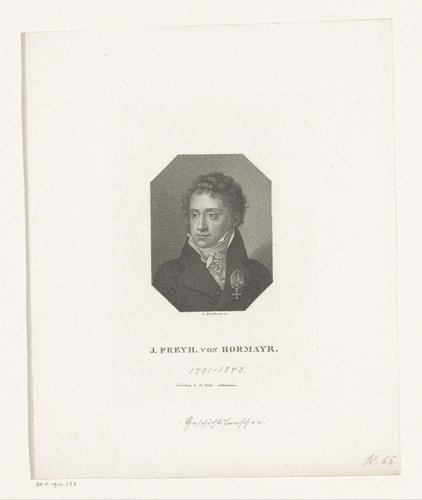
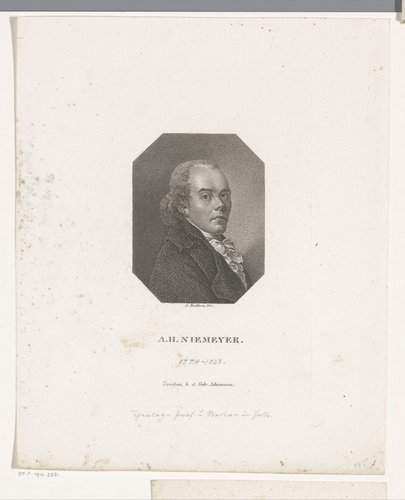
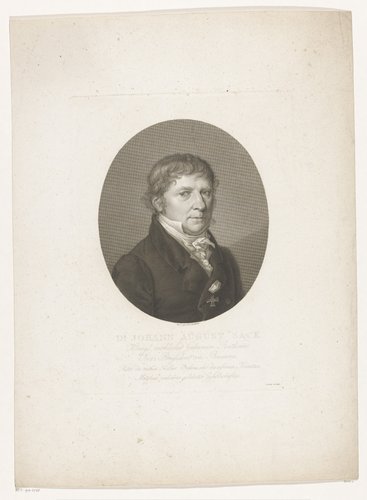
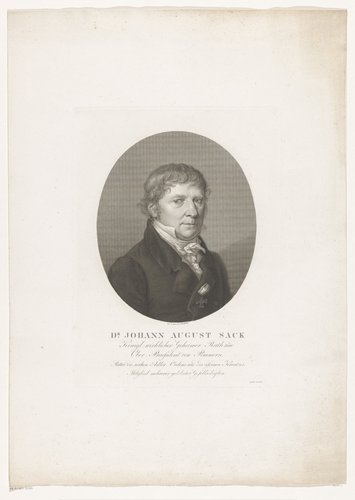
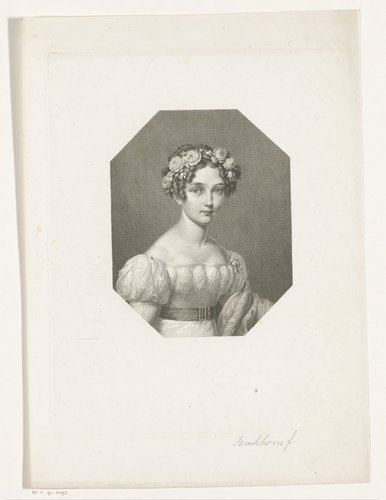
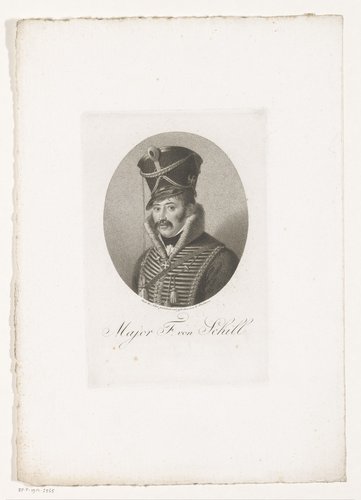
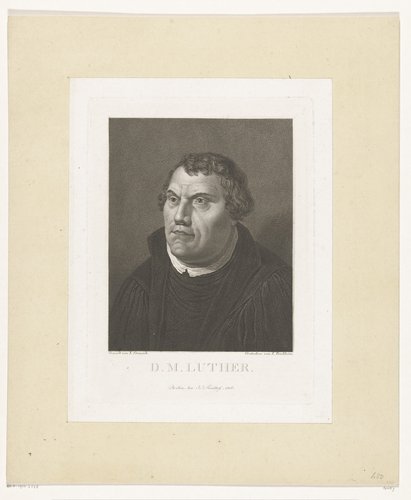
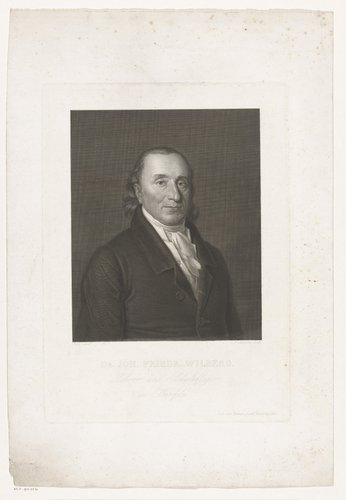
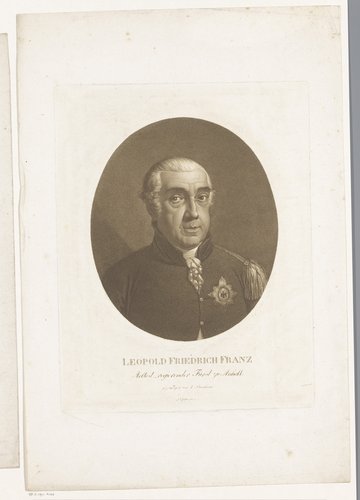
Karl Ludwig Bernhard Christian Buchhorn (1770–1856) was a distinguished German painter and engraver whose career spanned the transformative period from the late Enlightenment through the Romantic era to the eve of German unification. Born on April 18, 1770, in Halberstadt—a historic city in what was then the Principality of Halberstadt within the Kingdom of Prussia—Buchhorn became one of Berlin's most respected art educators and printmakers. He died on November 13, 1856, in Berlin, having witnessed nearly nine decades of European history and having trained generations of German engravers. Buchhorn's artistic education took place during a period of aesthetic ferment. Between 1790 and 1793, he studied at the prestigious Prussian Academy of Arts in Berlin, where he absorbed the neoclassical principles then dominating European academic instruction while also exploring emerging Romantic sensibilities. His teachers introduced him to aquatint and lithography—relatively new printmaking techniques—as well as the distinctive "crayon manner" technique that simulated the appearance of chalk drawings through engraving. Buchhorn's greatest legacy lies not merely in his own artistic production but in his role as an educator. He established and directed a 'Kupferstecher-Schule' (school of engraving) in Berlin, which became an important institution for training the next generation of German printmakers. Through this school, Buchhorn helped maintain and transmit the traditional skills of engraving during a period when lithography was beginning to challenge engraving's dominance in commercial and artistic printmaking. His influence extended across Prussia and beyond, as students from his school carried his technical knowledge and aesthetic principles throughout German-speaking Europe.
Karl Ludwig Bernhard Christian Buchhorn was born on April 18, 1770, in Halberstadt, a city with a rich medieval heritage in the Harz region of present-day Saxony-Anhalt. Halberstadt, known for its imposing cathedral and as a center of learning, provided an environment conducive to artistic and intellectual development.
Buchhorn's formative years coincided with the late Enlightenment in German territories. This was a period of intense cultural and intellectual activity, with German philosophy, literature, and art beginning to assert distinctive character apart from French and Italian models.
At age twenty, Buchhorn entered the Prussian Academy of Arts in Berlin, one of the most important art institutions in German-speaking Europe. Founded in 1696 and reorganized in 1786, the Academy represented the official art of the Prussian state and promoted neoclassical aesthetics based on the study of classical antiquity and Italian Renaissance masters.
During his three years of study (1790–1793), Buchhorn received comprehensive training in drawing, painting, and various printmaking techniques. Crucially, his instructors introduced him to aquatint, a tonal printmaking technique developed in France in the 1760s that allowed for the creation of wash-like effects, and to the crayon manner technique, which used specially designed engraving tools to simulate the soft, grainy quality of chalk drawings.
He also learned lithography, a technique invented by Alois Senefelder in 1796 (though Buchhorn's exposure must have come slightly later than his initial Academy training). These various technical skills would define his artistic practice and his later pedagogical approach.
Following his graduation from the Prussian Academy, Buchhorn established himself as a professional engraver and painter in Berlin. This period saw him building a reputation through commissions and independent projects that demonstrated his technical virtuosity across multiple printmaking media.
As both a painter and engraver, Buchhorn occupied a somewhat unusual position. While many artists of his generation specialized exclusively in one medium, Buchhorn maintained active practices in both painting and various forms of printmaking. This dual practice enriched his understanding of each medium.
His work during this period reflected the prevailing neoclassical aesthetic, with its emphasis on clear linear structure, balanced composition, and subjects drawn from classical antiquity, literature, and contemporary portraiture. However, as Romantic sensibilities began to influence German art in the early 19th century, Buchhorn's work also showed responsiveness to these new currents.
The Napoleonic period (1806–1815) brought significant disruption to Prussian cultural life. The French occupation of Berlin in 1806 and subsequent reforms in Prussia affected all aspects of society, including the arts. Buchhorn navigated these turbulent years while maintaining his artistic practice and building the professional connections that would support his later educational endeavors.
Buchhorn's most significant contribution to German art came through his establishment of a 'Kupferstecher-Schule' (school of engraving) in Berlin. This institution filled a crucial need in Prussian cultural infrastructure, providing systematic training in the demanding technical skills required for high-quality engraving.
The school's curriculum reflected Buchhorn's comprehensive training and diverse technical knowledge. Students learned traditional burin engraving, aquatint, crayon manner, and lithography. This multi-technique approach prepared students for the varied demands of professional practice, whether producing fine art prints, book illustrations, or commercial work.
Buchhorn's pedagogical approach emphasized both technical mastery and aesthetic judgment. Students learned not merely the mechanical skills of wielding engraving tools but also the artistic decisions involved in translating paintings and drawings into prints, managing tonal relationships, and creating compositions suited to the print medium's particular character.
The school attracted students from throughout Prussia and German-speaking territories, becoming a significant center for printmaking education. Some of Buchhorn's students went on to distinguished careers of their own, spreading his technical knowledge and aesthetic principles throughout Germany.
During these decades, Buchhorn witnessed dramatic changes in printmaking technology and practice. Lithography, which offered faster production and different aesthetic possibilities than engraving, gained increasing commercial importance. Photography, invented in 1839, began to challenge printmaking's documentary functions. Yet Buchhorn maintained his commitment to traditional engraving techniques, arguing for their continued artistic value even as their commercial applications diminished.
Buchhorn continued active teaching and artistic work into his eighties. He represented a living link to the late 18th-century artistic world, maintaining traditional skills and values through the tumultuous first half of the 19th century. His death on November 13, 1856, in Berlin, came just fifteen years before German unification would transform the political and cultural landscape in which he had worked.
Artheon Research Team
Last updated: 2025-11-09
Biography length: ~1,250 words
Wikidata/Wikimedia Commons