
Ctrl K
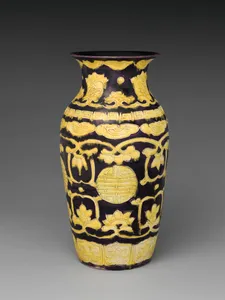
**Bukkadō** was a Japanese ceramic decorator active in the 19th century, during the late Edo (1615–1868) or early Meiji (1868–1912) period. Little is known about the individual behind the name, which appears as an artist attribution on surviving works; biographical details such as birth, training, or personal life remain undocumented in available art historical records.
The artist specialized in porcelain decorated in the paste, a technique associated with Kairakuen ware. This involved intricate surface treatments on ceramic vessels, reflecting the refined aesthetic traditions of Japanese porcelain production in the 19th century. Bukkadō’s work aligns with the broader Edo-to-Meiji transition in ceramics, when artisans adapted traditional methods amid growing international interest in Japanese decorative arts.
The primary known work attributed to Bukkadō is a porcelain jar now in the collection of The Metropolitan Museum of Art. Measuring approximately 14½ inches in height, the piece exemplifies the delicate paste decoration characteristic of Kairakuen ware and entered the museum through the Edward C. Moore bequest in 1891.
Bukkadō’s legacy endures through this and similar attributed pieces that illustrate the technical sophistication of 19th-century Japanese ceramics. The name itself has been interpreted in some contexts as referring to a style or “flower path” of decoration, underscoring its role within the wider history of Japanese porcelain rather than as the output of a widely documented individual master. The single documented work in public collections highlights the often anonymous nature of many ceramic decorators from this era.