Ctrl K
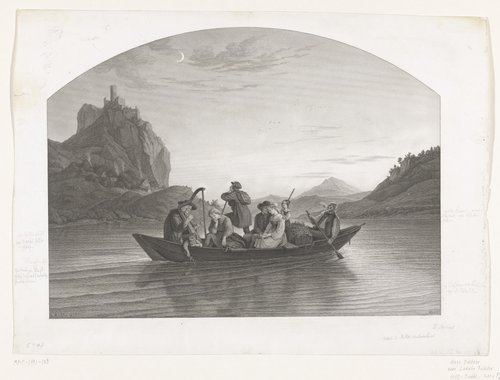
1818–1897
Occupations
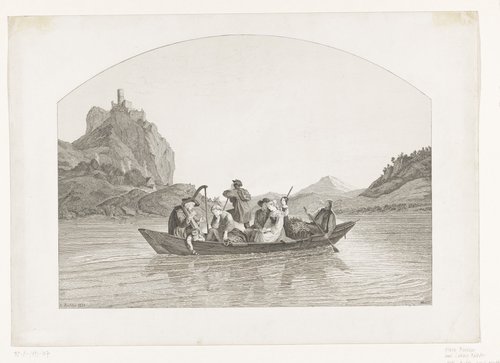
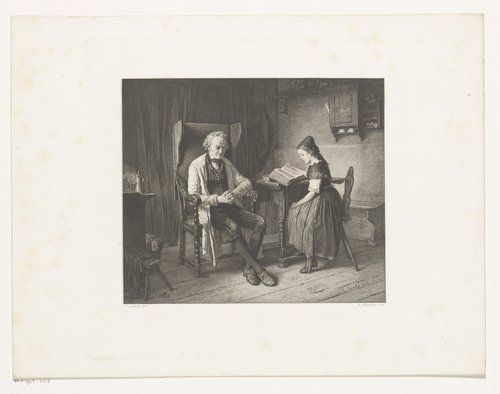
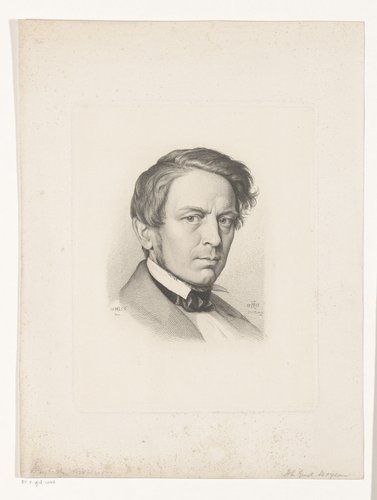
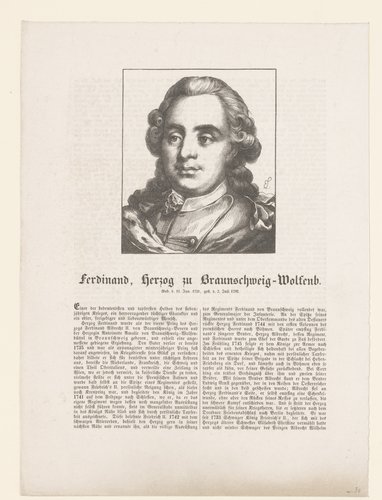
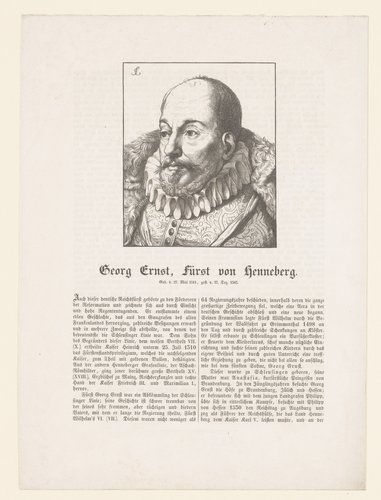
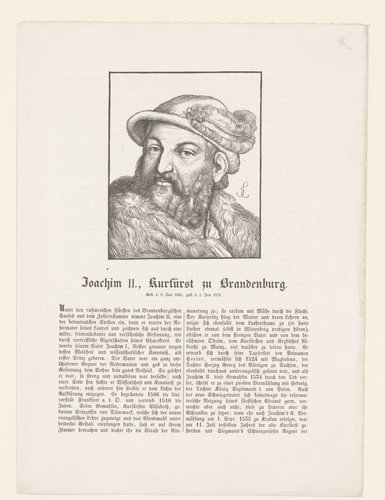
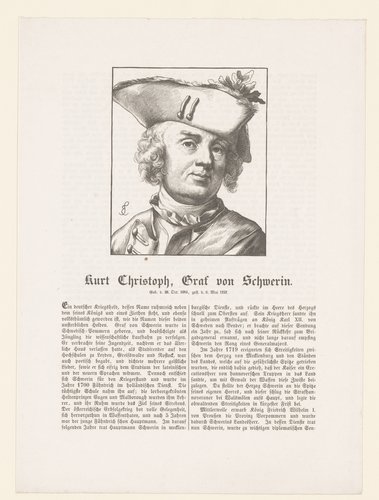
Hugo Burkner (1818-1897) was a German illustrator, painter, and engraver who played a crucial role in reviving wood engraving in Germany during the nineteenth century. Born on August 24, 1818, in Dessau, he became one of the most important figures in German printmaking, particularly through his work in wood engraving, which he helped elevate from a commercial craft to a respected artistic medium. Burkner's greatest contribution lay in his wood engravings and copper engravings, many of which were intended for children and youth, helping disseminate artworks by old masters and contemporary artists while enhancing the reputation of the Dresden Art Academy. From 1840 onwards, his work became closely connected with the cultural life of Dresden, where he established himself as a leading figure. He operated an Academy of Wood Engraving Art (Akademie der Holzschneidekunst) in Dresden, training the next generation of engravers and establishing standards for the medium. His engravings covered various subjects from historical scenes to ethnographic studies, demonstrating remarkable versatility. He died on January 17, 1897, in Dresden, having spent more than five decades contributing to German printmaking and ensuring the continuation of high-quality reproductive engraving traditions.
Hugo Burkner was born on August 24, 1818, in Dessau, in what is now Saxony-Anhalt, Germany. He received training in various engraving techniques including wood engraving, copper engraving, and etching, developing a comprehensive understanding of printmaking media. His early education prepared him for a career that would span multiple printmaking techniques and subjects.
From 1840 onwards, Burkner's work became closely associated with Dresden's cultural life. He established himself as the leading figure in reviving wood engraving (Holzschnitt) in Germany, elevating the medium from commercial illustration to fine art. He founded and operated an Academy of Wood Engraving Art (Akademie der Holzschneidekunst) in Dresden, training students and establishing professional standards. His engravings served multiple purposes: reproducing works by old masters for educational purposes, disseminating contemporary art to wider audiences, and creating original illustrations for books, particularly those intended for children and youth. His work contributed significantly to the reputation of the Dresden Art Academy and to the broader appreciation of printmaking in German cultural life. Burkner worked as both artist and publisher, controlling the production and distribution of high-quality prints. His subjects ranged from historical and religious themes to ethnographic studies, demonstrating remarkable versatility. He died on January 17, 1897, in Dresden, having spent more than half a century shaping German printmaking.
Artheon Research Team
Last updated: 2025-11-09
Biography length: ~451 words
Wikidata (CC0); Getty ULAN (ODC-By)